
The Philippines Faces Balance of Payments Deficit: A Closer Look at July 2026 Trends
In a surprising turn, the Philippines experienced a balance of payments (BOP) deficit in July 2026, signaling deeper challenges for the country’s economy. Let’s unpack what this means for the nation and its financial outlook.
A Shift in Financial Currents
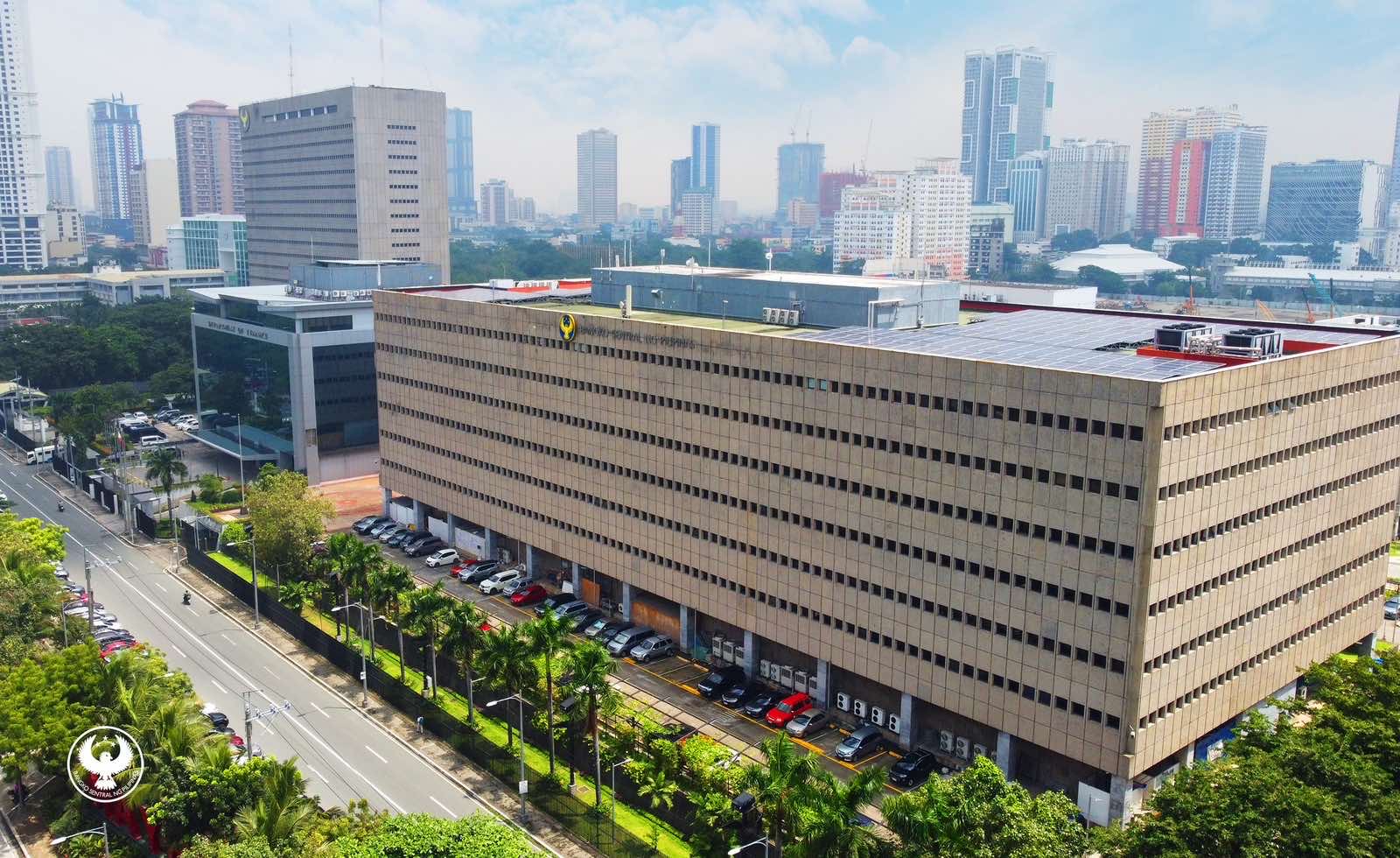
The Bangko Sentral ng Pilipinas (BSP) recently revealed that the overall BOP position for July stood at a staggering shortfall of $1.5 billion. This is a significant shift from June’s robust $3.4 billion surplus. So, what does this all entail? The balance of payments captures all economic transactions between the Philippines and the rest of the world in a given period. A surplus indicates that more money is flowing into the country, while a deficit reveals that more funds are leaving.
Economist Michael Ricafort of Rizal Commercial Banking Corp. described the July deficit as the “widest in three months.” The last notable gap was back in April 2026 when the country faced a $2.124 billion deficit. The root cause? A persistent trade-in-goods deficit, coupled with the Philippine government’s payments of foreign obligations.
Global Influences at Play
Ricafort also pointed to the “volatility in global financial markets” as exacerbating the situation. Following the resurgence of U.S.-Iran tensions on July 11, the economic landscape became more turbulent. The ongoing political unrest isn’t just a distant concern; it has real implications for our economy.
Year-to-Date Overview
Looking at the broader picture, the year-to-date BOP position shows a $5.3 billion deficit, which is slightly better than the $5.8 billion from the same period last year. From January to June 2026, the deficits have been attributed mainly to continuous trade imbalances and net outflows from foreign portfolio investments. Thankfully, there are bright spots—consistent inflows from personal remittances from overseas Filipinos (OFs), foreign borrowings by the national government, and foreign direct investments have softened the blow.
Foreign Reserves: A Necessary Cushion
The BSP also shared insights into the country’s gross international reserves (GIR), which amounted to $103.3 billion at the end of July. Although this is down from $104.7 billion in June, it’s essential to note that this cushion remains crucial for managing import payments and servicing foreign debt.
Despite the dip in reserves, the BSP reassured us that the current GIR is still ample to meet the Philippines’ import needs and act as a buffer against economic shocks. This resilience is significant—it can cover approximately 6.7 months’ worth of imports and service around 3.7 times the country’s short-term external debt.
The Road Ahead
The decrease in foreign reserves primarily resulted from the BSP’s foreign exchange operations and the national government’s drawdowns for external debt service. Validations of the decline included market fluctuations, yet the increase in gold prices offered a silver lining, protecting some reserve strength.
The BSP considers a GIR level adequate if it covers at least three months’ worth of imports and matches the country’s short-term external debts. With continuing fluctuations in the global economy, maintaining a robust GIR will be essential in the coming months.
Conclusion
As we forge ahead, it’s clear that while challenges loom tall, there are also positive signs of resilience within the Philippine economy. The BOP deficit is a reminder that careful navigation through these financial waters is crucial. Each movement—from trade to remittances—affects the overall health of our economy. Let us remain vigilant and hopeful as we navigate these economic challenges together.