
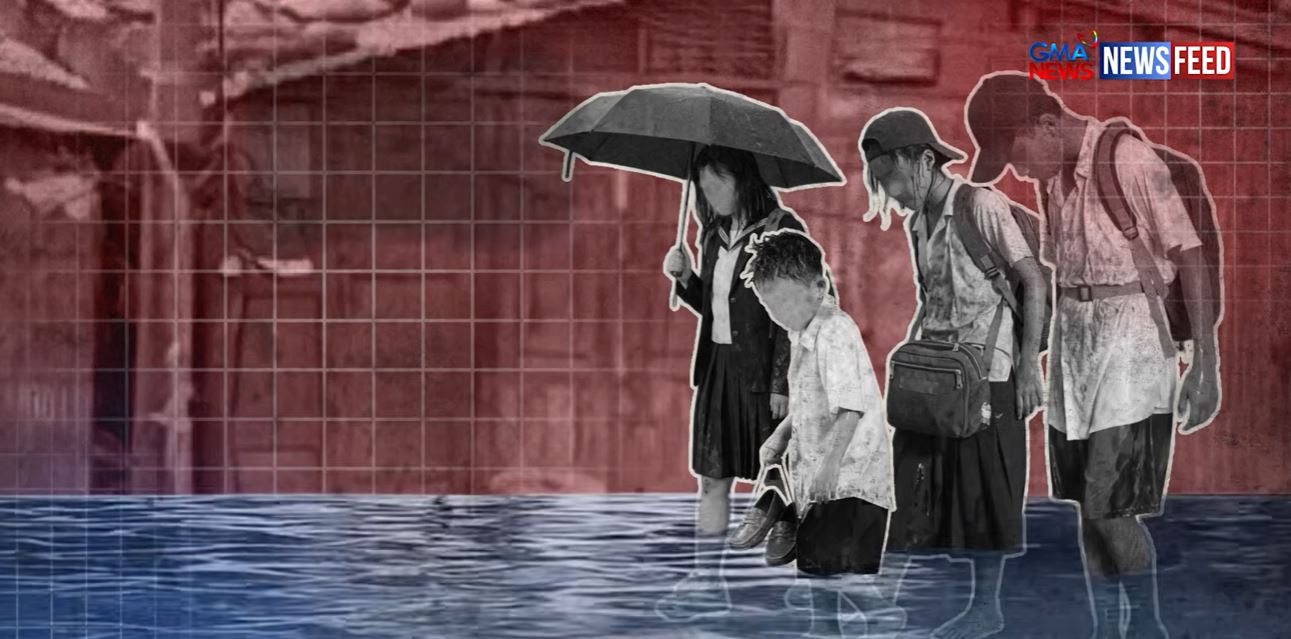
Navigating Education in the Face of Nature’s Fury: Ensuring Safety Without Compromising Learning
When we think of education, we often imagine endless days filled with learning, laughter, and growth. On average, students in basic education are expected to attend school for around 180 to 200 days. But there’s a sobering reality lurking behind those numbers. According to the Second Congressional Commission on Education (EDCOM 2), up to 50 of those precious days can vanish due to class suspensions—primarily driven by inclement weather.
As of August 11, 2026, over 6.5 million students across 10,000 public schools have faced the disruptions caused by the relentless southwest monsoon, according to the Department of Education (DepEd). This isn’t just a minor inconvenience; it has led to at least seven widespread class suspensions. And with the storm season extending from September to October, experts warn there may be even more disruptions on the horizon.
So, amid all this chaos and uncertainty, a vital question emerges: What should take precedence during such calamities—students’ safety or the quality of their education?
To address this, DepEd has introduced the 4H Emergency Learning Protocol, aimed at ensuring that students continue their education while prioritizing their safety. Under DepEd Order 14, Series of 2026, the protocol is broken down into four crucial levels: Hayo, Hinay, Hinga, and Hinto.
Level 1: Hayo (Continue)
In this ideal scenario, students are safe and able to attend face-to-face classes. Learning flows smoothly, with no disruptions.
Level 2: Hinay (Ease In)
However, things can take a turn. At the Hinay level, minor disruptions occur—think yellow rainfall warnings or tropical cyclone wind signals 1 or 2. Here, the pace of lessons is adjusted to lessen the stress on both students and teachers. If in-person classes aren’t possible, educators will employ an approved Learning and Service Continuity Plan (LSCP), often utilizing modular or online learning methods.
Level 3: Hinga (Check-In)
With the Hinga level, the impact of the emergency necessitates a more profound consideration for learners’ well-being. This kickstarts when conditions worsen, like an orange rainfall warning or a tropical cyclone signal number 3. At this stage, teachers conduct wellness checks and lighten the academic load. Assignments still exist, but they transition into a more flexible approach, aiming to review previous lessons instead of introducing new ones.
Level 4: Hinto (Stop)
Finally, there’s the Hinto level, where the situation is dire, like red rainfall warnings or intensity VI earthquakes. Education comes to a halt as students’ health and safety take center stage. During these critical times, mental health resources are made available to both learners and educators, ensuring that everyone has the support they need.
It’s important to note that the guidelines established by DepEd do not fall under the typical suspension regulations. As Secretary Sonny Angara emphasizes, ensuring continuity in learning should never mean forcing students to adhere to their regular academic workload, especially during times of adversity. Instead, these protocols are designed to help schools navigate the delicate balance between continuing education and ensuring safety.
In these challenging times, as storms rage and the world feels overwhelming, the commitment to prioritizing the well-being of our students shines through. The path ahead may be uncertain, but with these guidelines, the aim is clear: protect our children while guiding them through learning, even amidst the tempest.