
MRT-3’s Future: A Path to Better Service Without Losing Ownership
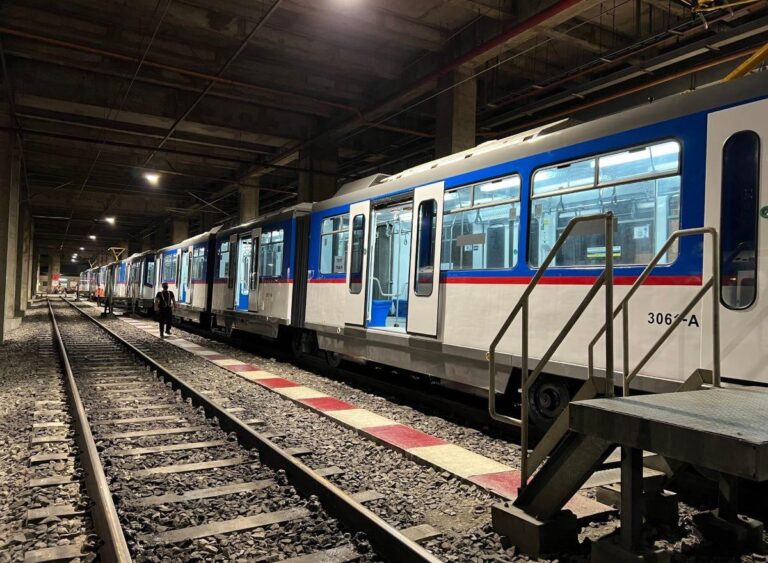
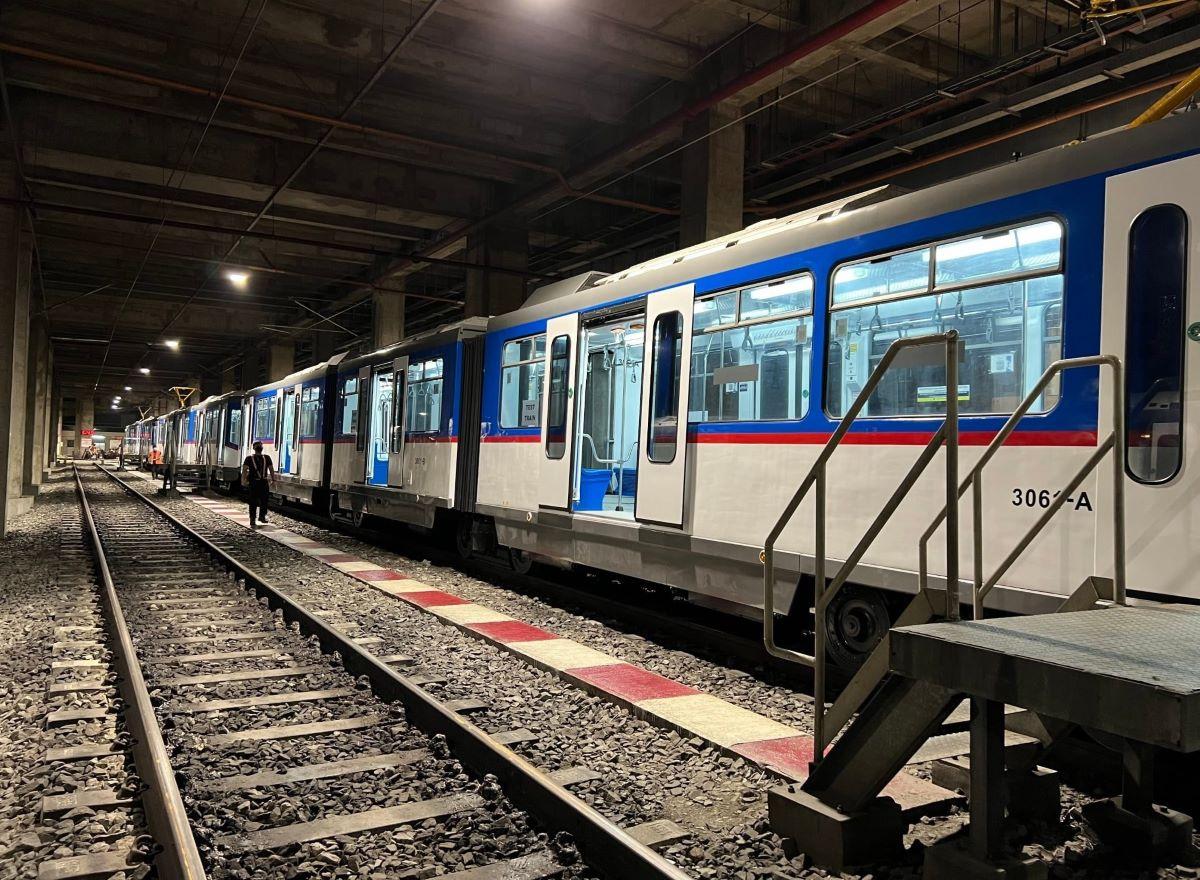
On a recent Saturday, a key update emerged from the Department of Transportation (DOTr) that carries significant implications for countless commuters. In an interview with Super Radyo dzBB, DOTr Undersecretary Timothy John Batan laid out a new vision for the Metro Rail Transit Line 3 (MRT-3) that centers on improving services while keeping ownership firmly in the hands of the government.
What Does Privatization Mean?
“Let me be clear,” Batan stated passionately. “When we talk about privatizing MRT-3, we’re not selling our asset. We’re not handing over its ownership to the private sector.” This reassurance is crucial; the government will maintain control over fare-setting, service quality, and performance standards.
Batan reiterated that the primary focus of this privatization initiative is not about generating revenue. “The main benefit we aim to achieve through this project is not financial. We’re not entering this project to make money for the government,” he emphasized. Instead, the goal is to provide high-quality service to commuters, ensuring a better experience for everyone who relies on this vital transit line.
The Vision for Capacity Expansion
Currently, MRT-3 accommodates around 500,000 passengers each day, but that’s about to change. Under the proposed public-private partnership (PPP), DOTr aims to increase this capacity significantly—potentially serving up to one million daily commuters. Imagine trains arriving every two minutes instead of three and a half! This upgrade could transform the daily commute from a struggle into a streamlined experience.
Batan explained that ongoing technical studies with the Asian Development Bank (ADB) are assessing how to enhance MRT-3’s capacity. “We’re looking into whether we can bump this up to 800,000 or even 900,000 passengers daily,” he said, eyes gleaming with the promise of progress.
Keeping Fares Affordable
One of the growing concerns among commuters is fare affordability. The DOTr is committed to keeping fares fair and manageable. Batan promised that “fare revenues will go directly to the government,” ensuring that improvements to service won’t come at the cost of accessibility. After all, what good are enhanced services if passengers can’t afford to use them?
A Unified Approach
The current maintenance partnership with Sumitomo Corporation ends in December 2027. The new privatization plan will consolidate operations and maintenance under a single private operator. This streamlined approach aims to establish “a single point of responsibility,” simplifying the process and, ultimately, making the service more reliable.
With the timeline set, Batan mentioned that the DOTr anticipates finalizing the details of this PPP arrangement by December 2026. Following that, an open bidding process will begin, targeting the awarding of the MRT-3 PPP concession contract by the third quarter of 2027.
The Road Ahead
As we look toward the future of the MRT-3, it’s clear that the government is striving for a balance between improvement and accessibility. With ongoing studies, strategic partnerships, and an unwavering commitment to public service, brighter days lie ahead for MRT-3 commuters.
So, let’s hold onto hope. The journey to a better commuting experience is in the works!