Unveiling the Richness of Philippine Coffee: A Journey at SCAJ 2026
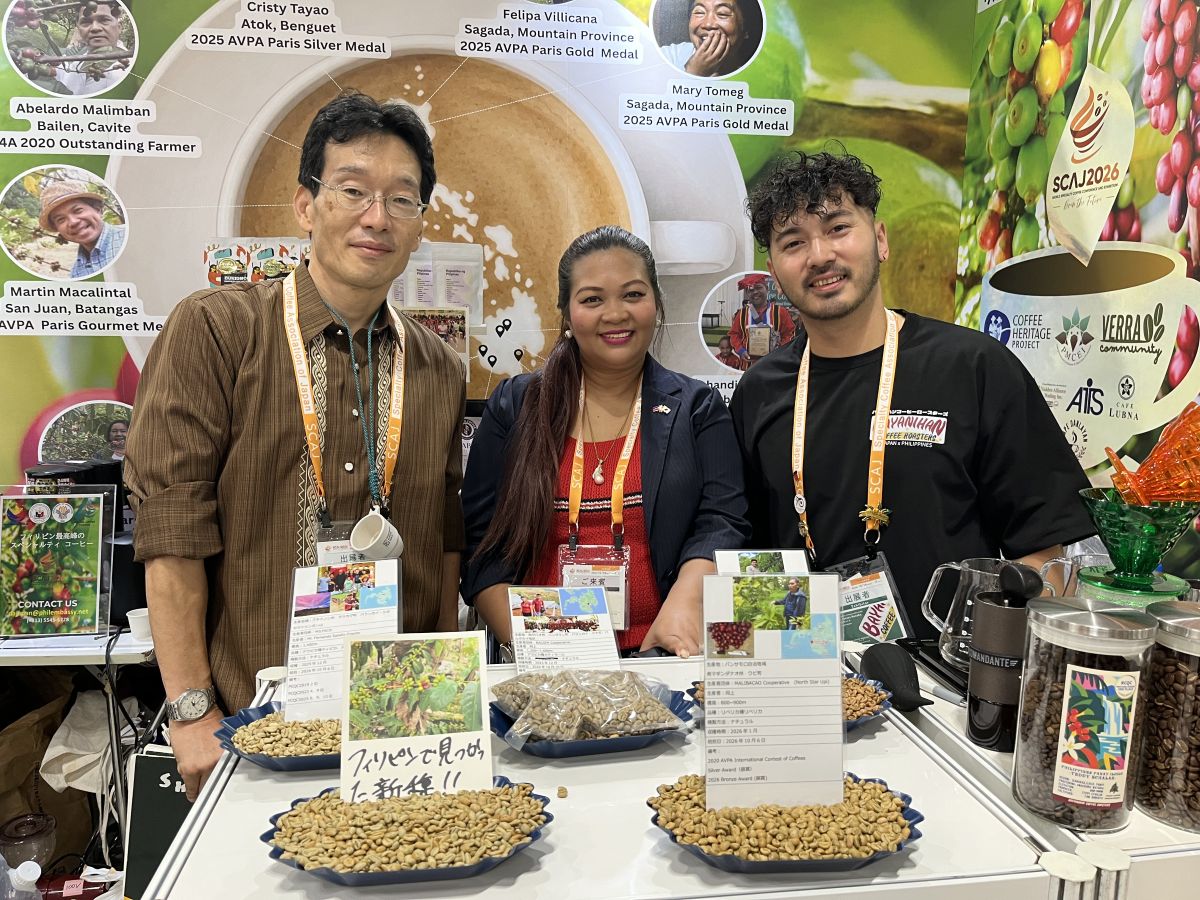
Tokyo, Japan — Nestled along the breathtaking waterfront of Tokyo Bay, the sprawling Tokyo Big Sight convention center became a vibrant hub for coffee lovers as the Specialty Coffee Association of Japan’s (SCAJ) 2026 World Specialty Coffee Exhibition unfolded. Among the buzzing crowds, one booth stood out—one dedicated to a gem of the coffee world: Philippine coffee.
A Warm Welcome
Imagine a table adorned with a myriad of colorful cups, each awaiting its turn to spill a story—a tale of rich soils, careful hands, and deep-rooted traditions. As visitors approached the Philippine booth, they were invited to experience something truly special: the chance to discover coffee origins that often remain overshadowed by famous counterparts from Ethiopia, Brazil, and Colombia.
A Taste of the Philippines
As the cupping session began, the air filled with fragrant aromas that wrapped around the attendees like a warm hug. They gently broke the crust—the delightful layer of coffee grounds, oils, and foam that forms on the surface of steeped coffee. One by one, they sipped and savored the intricate notes of different beans hailing from regions like Benguet, Mt. Apo, Sagada, Bukidnon, and Sultan Kudarat.
“This is truly delightful,” said Kyoko Masuda, a Japanese chocolate maker and coffee aficionado. “The sweetness and clear aftertaste—it’s memorable. The fragrance? Absolutely beautiful!” Her enthusiasm mirrored that of many as they uncovered the hidden treasures of Philippine coffee.
A Symphony of Flavors
For participants like Manami Naito, this tasting experience was a revelation. “It was so delicious! Rarely do we get to taste such a variety from the Philippines,” she exclaimed, her eyes lighting up with every sip. The booth showcased an array of coffee varieties: Arabica, Robusta, Excelsa, and Liberica, including the sought-after Barako and rich, single-origin beans from Mindanao.
Three prominent Philippine companies brought their finest offerings: Verra Coffee served up premium Barako and Mt. Apo Liberica; The Coffee Heritage Project showcased hand-sorted beans from Sagada and beyond; and Pistacia Mindanao Coffee Export Inc. presented the robust dried green coffee beans from Mindanao. The presence of other cooperatives added further depth, featuring unique blends and specialty products that left a mark on every visitor.
Connecting Through Coffee
The excitement didn’t stop at the booth; independent roasters like Cappo Coffee Lab & Roastery took the spotlight too, introducing Philippine coffee to audiences eager to explore beyond the usual. Agriculture Attaché Maria Alilia Maghirang shared insights on the visitors’ growing curiosity for Barako, emphasizing its unique appeal among Japanese coffee drinkers. “They want to taste something different, and they find Barako captivating,” she said.
Yet, the allure of Philippine coffee goes deeper. It tells a broader story—one of cultural exchange and a bridge between the Philippines and Japan. At Cafe Lubna, just a train ride away from Tokyo Station, customers have begun experiencing this narrative firsthand. Owner Nobuyuki Harada observed, “Philippine coffee is still rare here, but when people find out we carry it, their curiosity grows. They want to try.”
A Growing Passion
Among coffee enthusiasts, students, and visitors, like Kurumi—who once rarely ventured into the world of coffee—something shifted during her encounters with Philippine brews. “I was so surprised by the taste! Coffee here in the Philippines is delicious,” she remarked, her newfound enthusiasm hinting at the profound connection forged through each cup.
Sachiko Sata, who imports Philippine coffee, shared her own transformative experience. “The first time I tasted Barako, I was shocked. It was wonderfully different, truly an interesting coffee,” she said. Many customers who first walk in skeptically leave with bags of beans to share with friends, eager for others to experience the delightful journey they just embarked on.
Making Connections
The presence of Philippine coffee at SCAJ is not just about promoting products; it’s about building connections—between farmers and consumers, between cultures. Despite being a nation celebrated for its coffee culture, the Philippines faces the irony of importing more coffee than it produces. Brenda Claver of the Philippine Coffee Guild highlighted the need for change. “Our farmers are the heart and soul of the industry,” she stated, emphasizing the importance of supporting them and raising awareness of high-quality Philippine coffee.
Through tasting sessions and international exhibitions, efforts are being made to motivate local farmers to elevate their craft, from picking only the ripest cherries to learning the nuances of processing and roasting. “When farmers taste their own coffee, they understand its quality and feel proud,” shared Katsuhisa Ota from Pistacia Mindanao Coffee Export.
Looking Ahead
As SCAJ came to a close, it was clear that this was only the beginning for Philippine coffee in Japan. Anticipation is already building for the upcoming International Horticultural Expo in Yokohama, where Philippine specialty coffee will once again showcase its allure.
“Every sip, every aroma, every experience crafted here is just the start of our journey to share what Philippine coffee truly embodies,” Maghirang concluded with a hopeful smile.
At the cupping table in Tokyo, the case for Philippine coffee was made—one delightful aroma, one heartfelt sip, and one unforgettable connection at a time. As the world awakens to the rich stories woven into every cup, the future shines bright for this vibrant Filipino treasure.