

The Future of the Philippine Peso: What Lies Ahead?
The Philippine peso is in for a tumultuous ride in the coming months. As we navigate through renewed conflicts in the Middle East and anticipate a seasonal spike in import demand, projections show the peso might soar as high as P63 to $1. This insight comes from Fitch Solutions’ BMI, which detailed these expectations in a recent report.
The Struggles Ahead
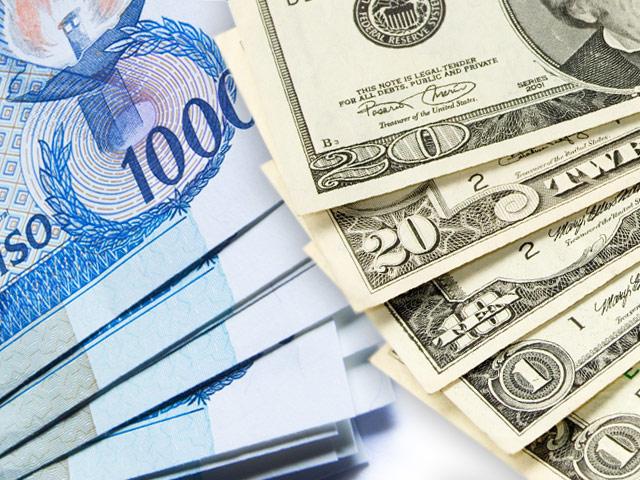
In simple terms, the peso is likely to remain “under pressure.” BMI forecasts it will trade within the range of P61 to P63 against the dollar. While the peso currently sits at P61.62 as of July 16, there are many factors at play that could shift its value.
The commentary highlights that the escalating tensions, particularly between the U.S. and Iran, along with a robust dollar and seasonal peaks in import demand, will weigh heavily on the peso in the near term. It’s a complex scenario, but one thing is clear: uncertainty looms ahead.
Global Forces at Work
The pressure on the peso partly stems from rising global energy prices. As the Philippines declared a national energy emergency, it’s essential to remember that the country is a significant importer of fuel. Any uptick in energy costs directly influences the peso by increasing import bills and widening the trade deficit.
Recent events, including U.S. strikes against Iran and a reestablished naval blockade aimed at curbing maritime activity, have caused oil prices to rise. Brent crude recently hit its highest levels since June, and this trend certainly doesn’t bode well for the peso.
Investment Challenges
Another worrying sign is the lack of foreign direct investment (FDI) inflows, which offer little relief. April saw net inflows drop to just $250 million, the lowest we’ve seen in almost a decade. Geopolitical tensions and uncertainties surrounding global trade are acting like weights on investment sentiment, further complicating the landscape for the peso.
The dollar itself remains strong. Financial markets are buzzing with the expectation of another interest rate hike from the U.S. Federal Reserve before the year ends. So, while the peso faces its challenges today, the outlook could shift as the year progresses.
A Glimmer of Hope
Despite the bearish near-term outlook, there’s a silver lining. BMI anticipates a modest strengthening of the peso by the end of 2026. Why? Seasonal remittance inflows typically see a boost towards year-end, which could create increased demand for the peso.
However, it’s important to note that the weakness might persist into 2027. BMI has revised its forecast for the following year to P60 to $1, up from P58.50 to $1. With continued geopolitical instability and higher tariffs affecting Philippine exports, the road ahead remains rocky.
In conclusion, the peso’s trajectory is shaped by global events and local economic conditions. While there may be hope for stabilization in the future, it’s essential to remain cautious. The journey of the Philippine peso is one of resilience, testing the strength of the economy amidst swirling challenges. Stay tuned, for the coming months promise to be pivotal in shaping its fate.