
Concern Over Budget Cuts: A Call for Compassion in Social Welfare
As the sun rises on the proposed 2027 National Expenditure Program (NEP), a shadow looms over two vital lifelines provided by the Department of Social Welfare and Development (DSWD). The Pantawid Pamilyang Pilipino Program (4Ps) and the social pension for indigent senior citizens are facing budget cuts, igniting a wave of concern among lawmakers and advocates for social welfare.
In a recent report by Tina Panganiban-Perez on “24 Oras,” it was revealed that the 4Ps program, which supports 3.5 million households, will receive a budget of ₱99.1 billion in 2027. This is a stark decline from ₱112.9 billion allocated in 2026, which assisted 4.4 million households. The rising cost of living is underscored by the minimum income threshold for families to meet their basic needs, now set at ₱14,634 per month—up from ₱13,873 in 2023. Falling below this threshold means those families are considered poor, struggling to make ends meet each month.
To put this into perspective, the daily poverty threshold translates to a staggering ₱487 for a family. For an average family of five, that means approximately ₱97 per person each day—an amount that isn’t just a number but a reality filled with challenges, dreams, and hopes for a better tomorrow.
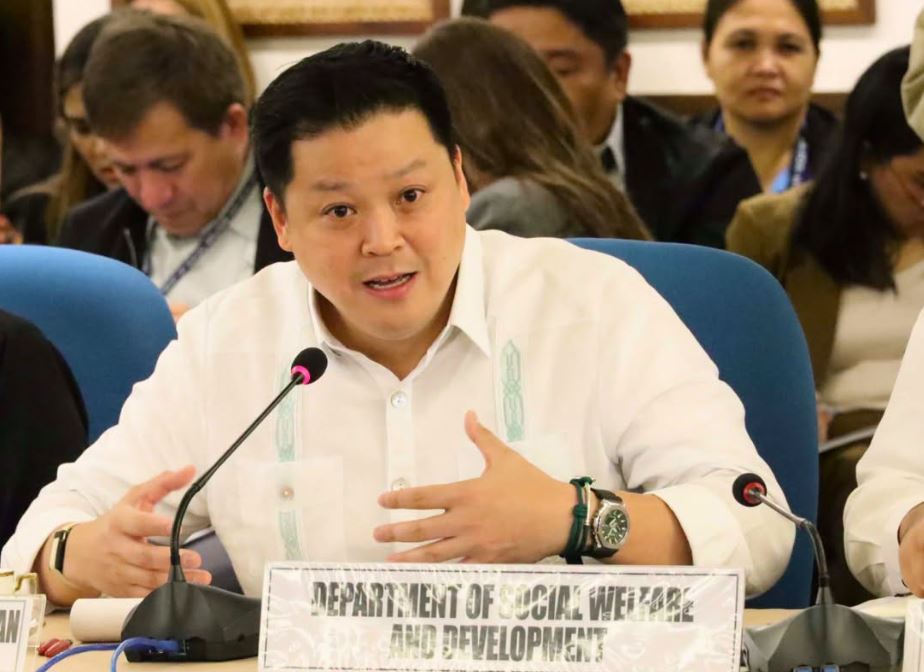
The 4Ps program aims to uplift not only the poor but also those in the precarious “near-poor” category. Currently, families earning just 10 percent above the poverty line can benefit from this crucial support. However, DSWD Secretary Rex Gatchalian has suggested a reevaluation, advocating that the near-poor income limit be extended to 25 percent above the threshold. “These households share many characteristics with the poor, just existing slightly above the line,” he explains passionately.
Adding to the concern, the budget allocated for the social pension of indigent senior citizens remains a pressing issue. Although the funding stands steady at ₱51.8 billion, many believe it should be increased to better support our elderly population, who often face immense challenges in their twilight years.
Moreover, the Assistance to Individuals in Crisis Situations (AICS) is seeing a drastic cut from ₱63.9 billion in 2026 to only ₱33 billion in 2027. Some lawmakers have expressed concerns about how this funding might be managed, fearing it could become entangled in politics. “AICS is a lifeline,” one lawmaker stated, underscoring that every referral must undergo rigorous scrutiny by social workers, ensuring that help truly reaches those in need.
The DSWD has also made a plea for an increased budget for its Quick Response Fund (QRF), used for disaster relief. From ₱3 billion in 2026, the QRF has been slashed to a mere ₱1 billion for 2027, raising alarms about the nation’s preparedness for unforeseen calamities.
In these difficult times, our collective compassion must shine through. As we face budget cuts that affect the most vulnerable among us, it is vital to advocate for change and to extend our hands and hearts to those in need. The call for empathy has never been more urgent; let us stand together to ensure that support for the poor and near-poor is not just an afterthought but a priority. Every peso counts, and every voice matters in this fight for a brighter future.