

Regularization of Transport Network Vehicle Service Partners: A Step Towards Stability
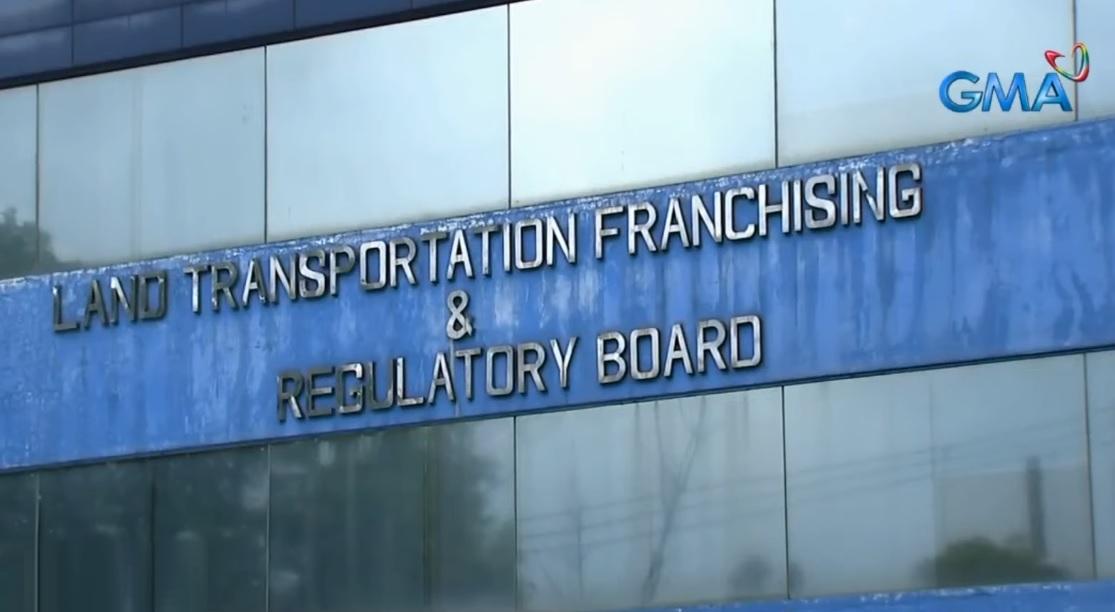
In a significant move for the transport community, the Land Transportation Franchising and Regulatory Board (LTFRB) announced that over 600 Transport Network Vehicle Service (TNVS) partners currently operating under “tempo” status have received provisional authority while their applications for regularization are reviewed.
As of now, 638 out of 9,036 applicants have been granted a notice of hearing and provisional authority. Greg Pua Jr., the acting chairperson of the LTFRB, expressed optimism in his statement: “We are on the right track in the regularization process. This is a commitment to the TNVS community. We encourage all applicants to fulfill the requirements listed in their accounts.”
A New Journey Begins
The regularization process for “tempo” TNVS units officially kicked off on October 8 and will continue for a crucial 30 days. This initiative aims to address a long-standing issue in the transport sector, particularly around the “tempo” status—a term widely recognized in the community. This status refers to a practice where Transport Network Companies (TNCs) onboard TNVS units to their platforms without prior approval from the LTFRB.
Navigating the Regularization Process
To secure provisional authority, TNVS operators must complete a series of essential steps. First, they need to pass a roadworthiness test at one of the LTFRB-accredited Private Motor Vehicle Inspection Centers (PMVIC). The results of these inspections will be electronically sent directly to the LTFRB to streamline the process.
It’s important to note that the regularization applications can be submitted either directly by the TNVS operators or through their accredited TNCs. However, eligibility is limited to unauthorized units listed in validated masterlists previously submitted by TNCs.
A Call for Support
In a heartfelt plea, Pua stressed the importance of keeping these “tempo” units active during their application process. “We want to ensure that these TNVS partners don’t lose their jobs, which are vital for feeding their families,” he emphasized. “Most of them are breadwinners. This is not just a regulatory matter; it’s a human issue.”
He also urged TNCs to refrain from deactivating these units during this transitional phase. Instead, he encouraged them to lend a helping hand, making it easier for their partners to meet the regularization requirements on time.
Conclusion
This movement towards regularization is not just about adhering to regulations; it embodies a commitment to the livelihoods of countless families reliant on TNVS for their income. As we navigate this journey together, let’s hope for a smoother process ahead, paving the way for a more stable transport network that prioritizes both compliance and compassion.
In the end, it isn’t just about numbers—it’s about people. People who drive our cities, support their families, and contribute to the vibrant tapestry of our communities. Let’s stay supportive as they take these important steps towards regularization and stability.