

Tensions in the Strait of Hormuz: A Closer Look at the Shifting Shipping Traffic
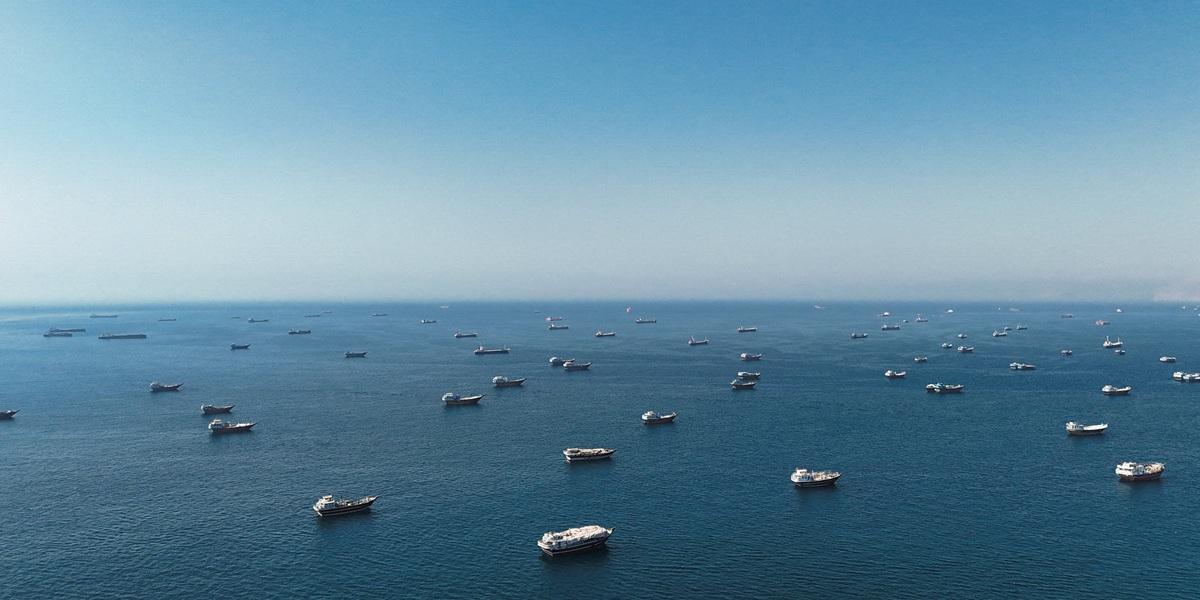
In recent days, the once-bustling Strait of Hormuz has seen a significant dip in shipping traffic. As emotions run high between the United States and Iran, concerns about control and safety are sending ripples through global trade.
It was just last Thursday when the newly appointed head of Iran’s Basij paramilitary unit made a bold claim: the Strait of Hormuz is “under Iran’s control and management.” This assertion came at a time when tensions between the two nations are escalating, leading to a precarious situation for vessels navigating this vital waterway.
On the other side of the equation, the United States has announced its intention to maintain a naval blockade of Iran indefinitely, pushing back against Iran’s influence as negotiations for a ceasefire stumble. The atmosphere is anything but stable, and shippers are feeling the weight of uncertainty.
Despite a slight uptick in vessel movements — with nine ships transiting the Strait of Hormuz last Thursday, up from five the day before — the numbers remain low. The daily average for August sits at around twelve vessels, making this week’s figures concerning.
Among those nine vessels, five were entering the Gulf, while four were making their way out into the Gulf of Oman, primarily using Iranian shipping routes. Yet, the risks are ever-present.
In a stark reminder of the dangers lurking in these waters, the Abu Dhabi National Oil Company reported that two of its vessels were attacked while passing through the Strait of Hormuz on Thursday evening. Thankfully, there were no injuries, but the United Arab Emirates wasted no time in placing the blame on Iran.
Across the waters, the Bab el-Mandeb strait remained relatively stable, with 19 commodity vessels navigating through on Thursday, just one less than the day before — a sign that, despite tensions, some trade routes continue to function.
However, some vessels may be sailing with their transponders turned off, complicating efforts to track real-time traffic. The intricate dance of diplomacy, control, and commerce continues, as the world watches the unfolding situation in the Strait of Hormuz.
As we navigate through these turbulent waters — both literally and figuratively — it’s clear that the stakes remain high. The balance between security and trade is delicate, and every claim made, every action taken, can ripple outwards, impacting not just the nations involved, but economies around the globe.
In a world where the waters are both a lifeline and a battlefield, the drama in the Strait of Hormuz remains a crucial chapter in the story of international relations.