Embracing Miracles: Faith, Devotion, and the Journey Home This Holy Week
As the sun casts its golden glow over our homes this Holy Week, countless Filipinos embark on long, heartfelt journeys back to their roots. With rituals like *Visita Iglesia*, many turn their thoughts to prayer and reflection, gathering hope like flowers in a bouquet. In this sacred time, we remember the places in the Philippines steeped in stories of miracles—places that draw devotees from afar, eager for a touch of the divine.
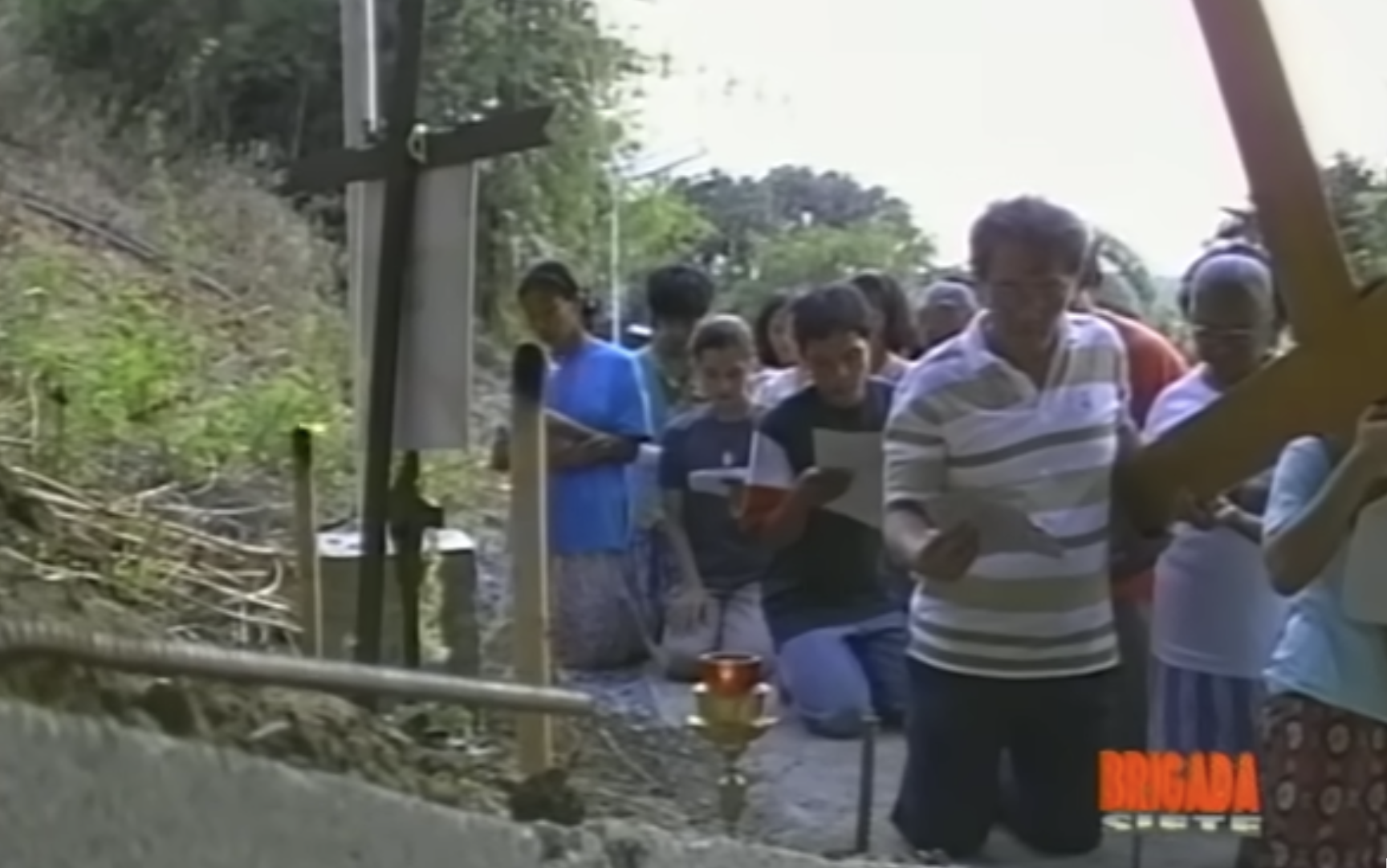
One such cherished place is Agoo in La Union. Here, believers speak of a miraculous water spring that’s become a beacon of faith. The story took flight in 1993, when Judiel Nieva claimed to have had an extraordinary encounter—the Blessed Virgin Mary appeared to deliver messages that resonated deeply within the hearts of many. Just like that, Agoo transformed into a spiritual sanctuary, attracting pilgrims from every corner of the Philippines.
For some, faith in what transpired is unshakeable. They recount personal experiences and the sense of healing that swept over them, each story woven with emotion and belief. Yet, as with many tales of the extraordinary, skepticism lingers. The Catholic Church, while valuing personal devotion, emphasizes the importance of discerning the truth behind such claims.
In fact, a two-year investigation, ordered by the Diocese of San Fernando, sought to uncover the essence of what had been reported. In a 1995 ruling, the commission concluded that the occurrences in Agoo were “far from being supernatural.” They discovered that some messages attributed to the apparition bore striking resemblances to known Marian encounters, raising questions about their authenticity. Yet, despite this ruling, many devotees still stand firm, blinded by faith that shines as brightly as the stars.
Witnesses share stories of miraculous signs: a statue of Mary weeping tears of joy, and dazzling phenomena like the “dancing sun.” One devotee shared a heartfelt encounter, proclaiming, “What I saw and felt is undeniable.” For them, such moments strengthen the heart and soul, binding them closer to their faith.
Church officials advocate for calm amidst the fervor, reminding everyone that genuine faith shouldn’t rely solely on extraordinary claims. They stress that while personal conversion and devotion are cherished, they don’t automatically validate supernatural origins. As renowned educator Labisig explained, the Church approaches reported miracles with “caution, discipline, and a deep sense of responsibility.”
Every story of a wonder begins with a comprehensive investigation, steeped in prudence. Labisig further emphasizes, “Before any declaration, careful consideration is paramount.” The Church follows a meticulous process to weigh reported miracles, adhering to the guidelines provided by the Dicastery for the Doctrine of the Faith.
For every reported phenomenon, the bishop holds a critical role, forming a commission of experts—including theologians and psychologists—to explore the claims rigorously. When the investigation concludes, the bishop, together with the Dicastery, publicly announces a decision. Rulings can range from “Nihil obstat,” meaning no barriers exist to devotion despite the lack of confirmation regarding supernatural origin, to declarations firmly asserting that a phenomenon lacks divine roots due to evidence of fabrication.
But the vigilance doesn’t stop there. Particularly in the realm of miraculous healings—often essential for the canonization of saints—a similarly thorough process unfolds. The diocesan bishop assembles a commission of medical and theological experts to probe the alleged miracle. They collect medical records and witness testimonials to ensure that any healing is not only immediate and complete but also lasting, with no natural explanation available.
Once the local investigation wraps up, the evidence proceeds to the Dicastery for the Causes of Saints, where a panel of experts vigilantly assesses whether the miracle can be attributed to the intercession of the individual being considered for sainthood. Only then does the Pope sanction the miracle, celebrating it publicly as part of the formal process of recognizing a saint or blessed.
In the heart of this journey lies the Catholic Church’s commitment to a cautious approach, ensuring that every claimed miracle undergoes a thorough investigation. This careful scrutiny guarantees that any asserted miraculous event adheres to both scientific and theological scrutiny, leading the faithful toward a more profound relationship with God and nurturing their spiritual journeys.
Ultimately, the Church doesn’t dismiss personal experiences; instead, it embraces them thoughtfully. Labisig beautifully summed it up, saying, “The Catholic Church approaches personal healing and visions with careful discernment, guiding faith toward God.”
As we reflect this Holy Week, let us carry these stories in our hearts—reminders of hope, faith, and the unwavering quest for miracles amidst our daily lives. Each journey home, each prayer said, and each act of devotion strengthens the tapestry of belief that binds us all.