
Rising Tensions: Iran’s Bold Moves and the Threat to Global Energy
In a world already on edge, the situation in the Middle East has taken a dramatic turn. The Islamic Revolutionary Guard Corps (IRGC) of Iran has put the world on alert, threatening to shut down every export corridor that serves the United States and its allies. The stakes are only getting higher after Iran’s recent closure of the Strait of Hormuz. In response, the U.S. has re-imposed a naval blockade on Iranian ports. Tensions are reaching a boiling point.
In a striking statement, the IRGC declared, “Regional energy exports are either shared by all, or denied to all.” This isn’t just rhetoric; it signals a potential escalation that could ripple across the entire globe. Analysts suggest that Iran might leverage its Houthi allies in Yemen to threaten the Bab el-Mandeb Strait, another crucial passage for oil shipping. If this happens, it could put not just Houston, but every corner of the globe at risk.
The Strategic Importance of Bab el-Mandeb
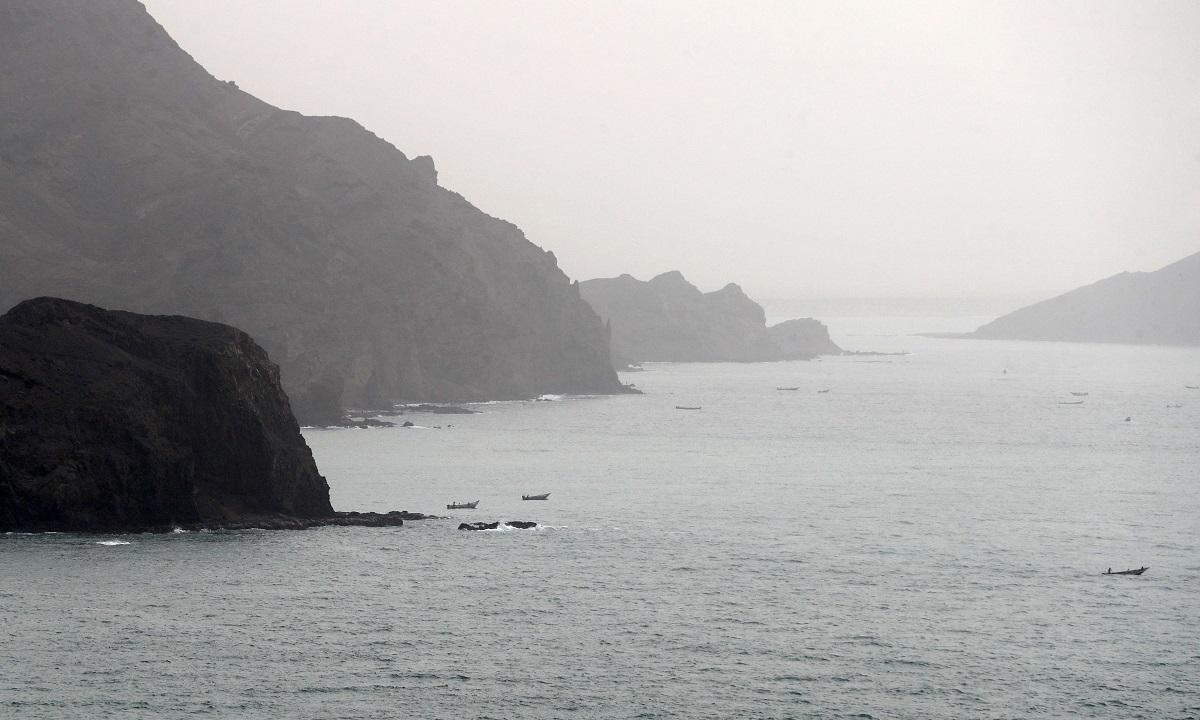
The Bab el-Mandeb Strait is a narrow passage connecting the Red Sea to the Gulf of Aden, essential for Saudi oil exports. A senior Houthi official recently warned that they are prepared to close this lifeline if Saudi Arabia continues its attacks on Yemen. This bold move could send oil prices skyrocketing—some speculate as high as $200 per barrel.
As the Houthis fired missiles at Saudi Arabia, they broke a four-year truce, escalating a conflict that has already cost countless lives. Excitingly, the Houthis have demonstrated their capability to disrupt global commerce, previously attacking vessels in the Red Sea under the pretext of defending Palestinians amid the recent Gaza conflict.
U.S. Military Response
Amid the chaos, the U.S. military has been working diligently to neutralize Iranian threats. Just a day after announcing plans to continue degrading Iranian military capabilities, reports indicated that Iran had launched attacks on seven commercial vessels in just a week, resulting in the tragic deaths and injuries of nearly a dozen crew members.
In a statement, the U.S. Central Command revealed they executed a swift counteraction that lasted seven hours against Iranian positions near the Strait of Hormuz. As tensions escalated, reports emerged that 30 Iranian civilians lost their lives in these U.S. strikes, alongside seven military personnel at a base in southeast Iran.
Iran’s Unyielding Stance
In a passionate declaration, the IRGC vowed to keep the Strait of Hormuz closed until what they termed the “end of America’s evils.” Before this turmoil began in February, about a fifth of the world’s oil and gas shipments flowed through Hormuz daily. Iran claims to have targeted facilities linked to the U.S. Fifth Fleet in Bahrain and has asserted that they struck U.S. military targets in Iraq and Jordan as acts of retaliation.
As renewed hostilities emerged last week, the fragile truce struck in June has now been further jeopardized. The war has already demonstrated devastating consequences, taking thousands of lives and pushing families to the brink.
The Trump Administration’s Stance
Amidst these complex developments, U.S. President Donald Trump has fired warning shots through the media, threatening to target Iranian infrastructure, including power plants and bridges. His message was clear: unless Iran agrees to negotiations, they can expect serious repercussions.
In an interview, Trump noted, “I’ll save the energy targets for last, but ultimately we’ll hit energy targets.” The urgency of the situation has prompted U.S. negotiators to make it clear to their Iranian counterparts that a deal must be reached soon.
The Economic Ripple Effect
As these geopolitical tensions rise, oil prices have begun to creep up once again. On Wednesday, prices spiked, hitting a one-month high, reflecting the global market’s reaction to the increasing disruptions in the Strait of Hormuz. The ramifications are vast, and every sector could feel the pressure if peace isn’t restored.
The world is watching closely as this precarious dance continues. Will the countries involved find common ground, or are we heading for a deeper conflict? Only time will tell. But one thing is certain: in this game of power and politics, the impact will be felt far and wide, affecting everything from fuel prices to global commerce.
Stay tuned; the stakes are soaring, and the narrative is anything but over.