

A New Beginning: The Journey of a Filipino Worker in Hungary
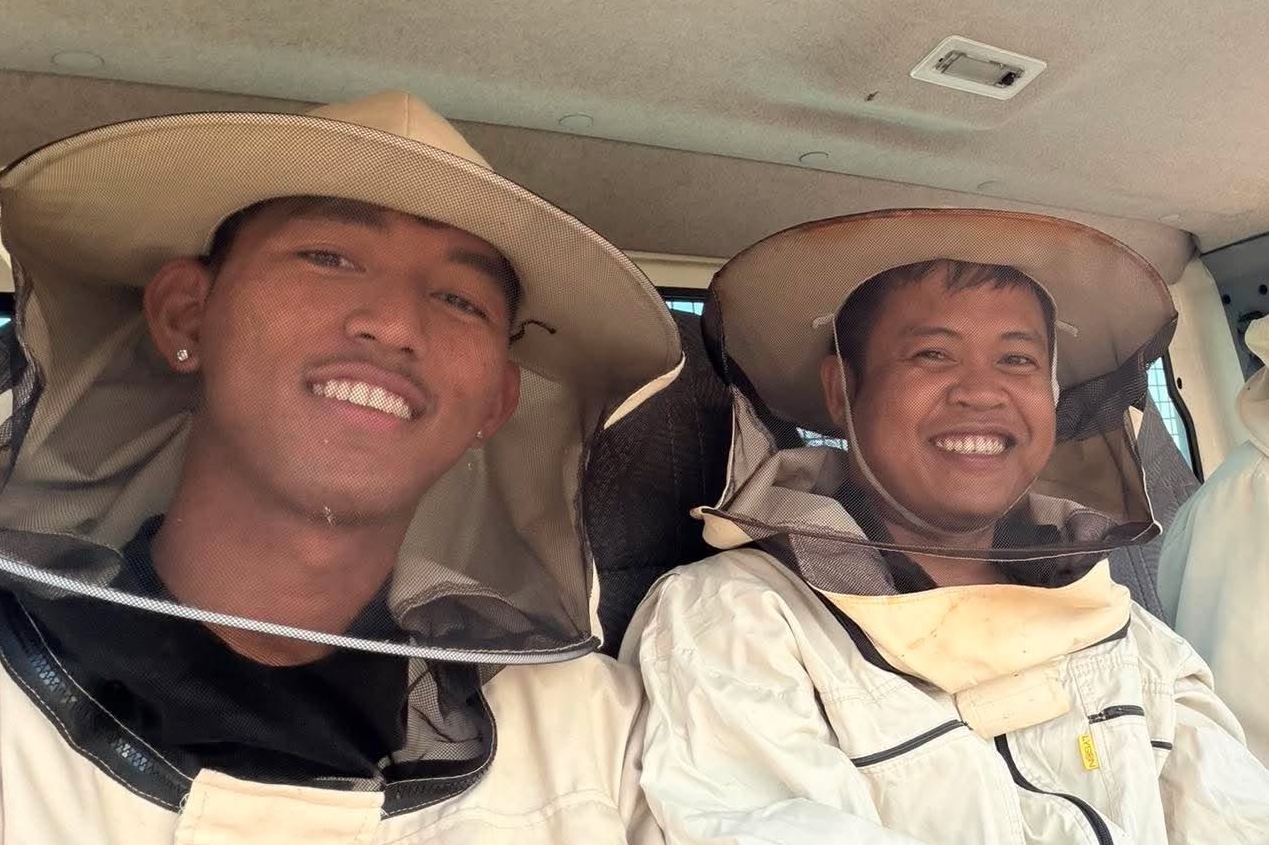
Budapest — In a poignant moment that reflects the challenges faced by many overseas workers, 24-year-old Jim Muico took to social media to share his heart. After being laid off from his factory job in Hungary, he found himself facing a difficult reality: a return to his home country of the Philippines.
In his emotional post, Muico wrote, “I still believe that everything happens for a reason. This is not the end of my story. It’s just a new beginning—babalikan kita, Europe (I’ll be back, Europe).” This sentiment embodies the hopes and dreams of countless Filipino workers in foreign lands, seeking better lives for themselves and their families.
The Guest Worker System: A Phase of Hope
The guest worker system, a lifeline for many Filipinos, was in place from November 2023 until June 5 of this year. It enabled Hungarian manpower agencies to recruit workers to fill critical gaps in construction, manufacturing, and agriculture. Muico was one of many who benefited from this pathway, landing a job through a Filipino agency with a contract that was supposed to last until September 2027. Yet, just weeks after a new government announcement, his dreams were abruptly halted.
His employer, grappling with impending bankruptcy, informed Muico that the workforce’s future was uncertain. Now, he and his seven colleagues faced an unexpected end to their adventure—required to sign paperwork to receive their final two months of pay and a return flight back to Manila.
“I don’t know what to do yet. I’ll take a rest once I get home,” Muico shared, his words filled with uncertainty.
Shifting Policies and New Challenges
The new decree from Hungary’s government, effective June 6, was enacted as part of Prime Minister Peter Magyar’s promise to prioritize Hungarian workers and reduce foreign labor. The guest worker permit pathway was replaced with a more complicated process, making it harder for Filipinos to secure jobs in the country.
While the Philippine Embassy in Budapest assured that those with valid permits could continue working until expiration, the future remained unclear for many. Filipino workers caught in the crosshairs of shifting policies faced a reality that was not just about job loss but about their dignity and future.
The Human Cost of Being “Temporary”
This situation sparked conversations about the sustainability of labor export and the emotional toll on workers. As Hungarian journalist Eszter Kando noted, while the political rhetoric may lean toward protectionism, the cold truth is that many Hungarian employers rely on foreign talent, especially Filipinos, who are often praised for their strong work ethic.
“Somehow we save the economy with their help, but still say that we don’t like their integration,” Kando explained, revealing the painful irony faced by these workers hidden from public view.
Muico’s experience tells a broader story. Living in a company-sponsored dormitory, he described their quarters as “like a hotel room.” While many local residents were welcoming, the isolation and uncertainty were palpable. His colleague, Ilesalde Sopero Jr., also faced the weight of this same burden, recounting their tense negotiations for additional compensation to cover bank loans incurred from recruitment fees.
A Choice Between Hope and Fear
The “Pagtalon” phenomenon—the urge to jump from one contract to another in search of better opportunities—was ever-present in conversations among workers. Yet, for Sopero, the risk of ending up undocumented was a harsh deterrent. “It’s better to go home than to have a bad record here,” he concluded with resignation.
Reflecting upon the guest worker scheme, it became clear that the novelty of working abroad often overshadowed the harsh realities. Many Filipino workers arrive with dreams of success but find themselves facing unseen struggles and degrading conditions in pursuit of better lives.
Caring for Our Workers’ Well-being
Beneath the surface, a silent crisis looms—mental health issues among these hardworking men, which often go unaddressed. With pressure mounting from both their jobs and the distance from loved ones, many suffer in silence.
In response, the Philippine Embassy has initiated community engagements aimed at alleviating this isolation by fostering connections. They recognize the importance of mental health and the need for our kababayans to feel supported and seen.
Final Thoughts
As Jim Muico prepares to return to the Philippines, he does so with a heart full of gratitude despite his trials. “I’m still grateful for the chance to visit and work in Europe. I’ll try again—this is not the end, and I’ll apply once more. I’m still young, anyway,” he said with hopeful determination.
For every worker like Muico or Sopero, their journey encapsulates not just the struggle for economic stability, but an innate desire for dignity, belonging, and a brighter future. In their stories, we find reflections of resilience, hope, and the enduring spirit of those who dream of better days ahead. They may leave Europe for now, but their dreams and strength will surely guide them back one day.