Diplomatic Tensions: DFA Calls Out Chinese Embassy for Undiplomatic Social Media Posts
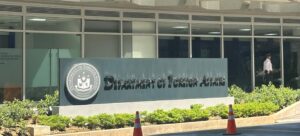
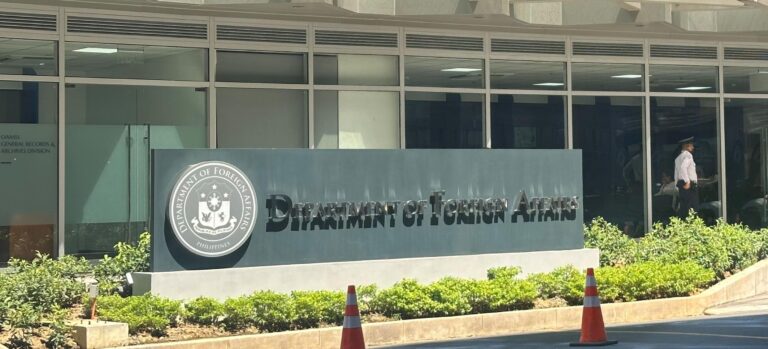
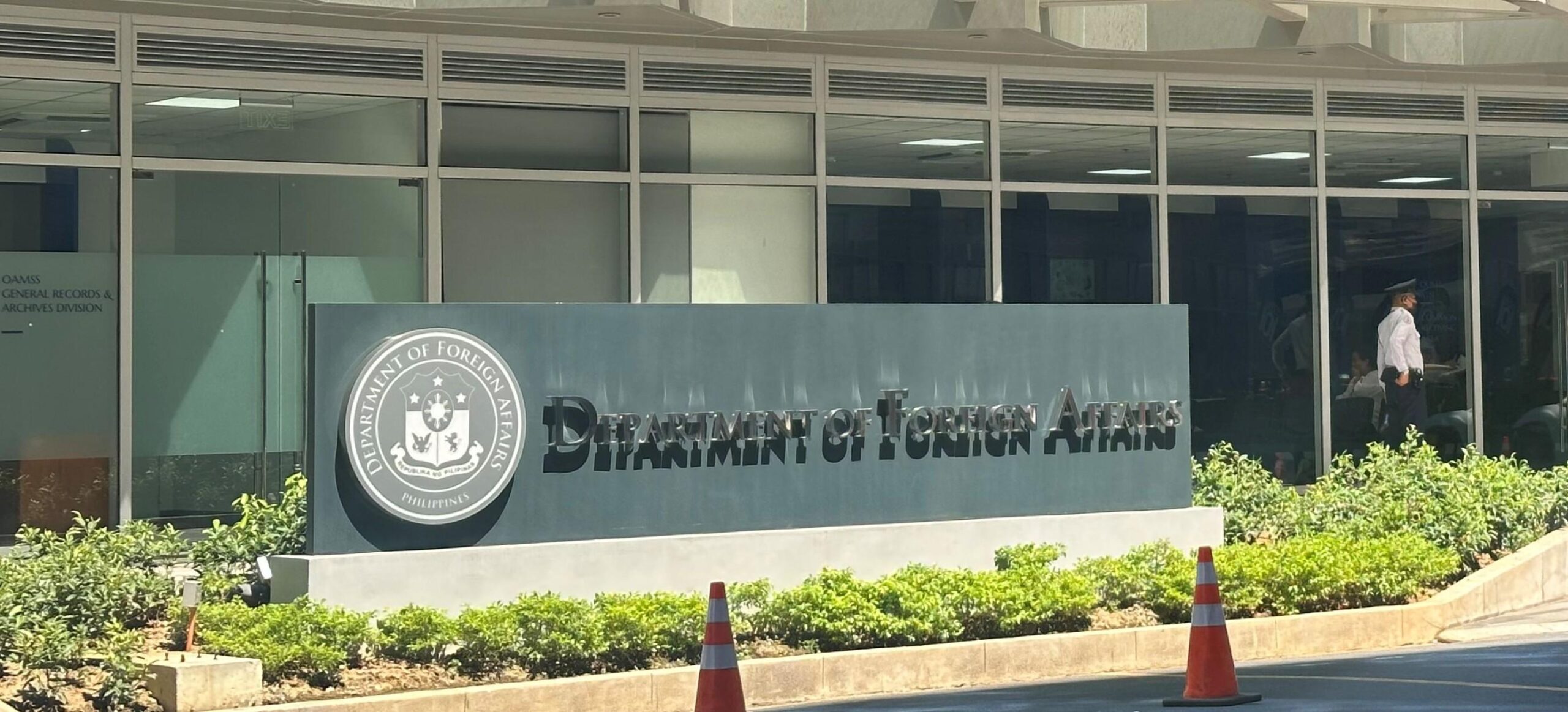
On Thursday, the Department of Foreign Affairs (DFA) of the Philippines made a bold statement, addressing the Chinese Embassy in Manila. The DFA expressed deep concern over recent social media posts from the embassy, which it claims are damaging the trust and confidence necessary for maintaining a stable relationship between the Philippines and China.
In a heartfelt statement, the DFA described the Chinese Embassy’s tone as “undiplomatic,” emphasizing that such language is harmful to the spirit of cooperation that both countries have worked so hard to build. They remarked, “The escalatory and undiplomatic tone used in the social media statements erodes mutual trust and severely undermines efforts to stabilize and improve bilateral relations.”
The urgency of the situation is palpable. The DFA stressed that these public remarks do not reflect the longstanding commitment to constructive engagement shared by both nations. Instead, they risk pushing the two countries further apart, creating barriers to effective diplomacy.
Social Media: A Double-Edged Sword
In an increasingly digital world, social media serves as a powerful platform for communication—but it can also ignite tensions. The Chinese Embassy’s recent posts have responded to criticisms from Philippine officials, including a controversial remark from Chinese Ambassador Jing Quan, who suggested that Beijing could easily resort to force against the Philippines if necessary. Such words strike a chord of fear and uncertainty.
In light of these confrontations, the DFA reminded all accredited diplomats in the Philippines to tread carefully. “All diplomats are expected to conduct and express themselves in a manner befitting diplomatic envoys, especially on social media,” they stated, urging restraint and responsibility in public statements.
Upholding the One China Policy
Despite these tensions, the DFA reiterated the Philippines’ commitment to the One China Policy, firmly rooted in the 1975 Philippines-China Joint Communique. This commitment emphasizes that the People’s Republic of China is the sole legal government of China and acknowledges Taiwan as an integral part of its territory. “Our regulations reflect the unwavering implementation of this policy,” they assured.
Looking Ahead
As the dust settles, the DFA has made it clear that they reserve the right to take further diplomatic actions if needed. The situation, while challenging, highlights the complexities of international relations and the importance of maintaining open communication.
Amidst the difficulties, one thing remains certain: the Philippines seeks to uphold a diplomatic relationship grounded in respect and understanding. The hope for stability and cooperation endures, even as voices clash across the digital landscape.