

A Crucial Turning Point: What the Supreme Court’s Ruling Means for the 2027 National Budget
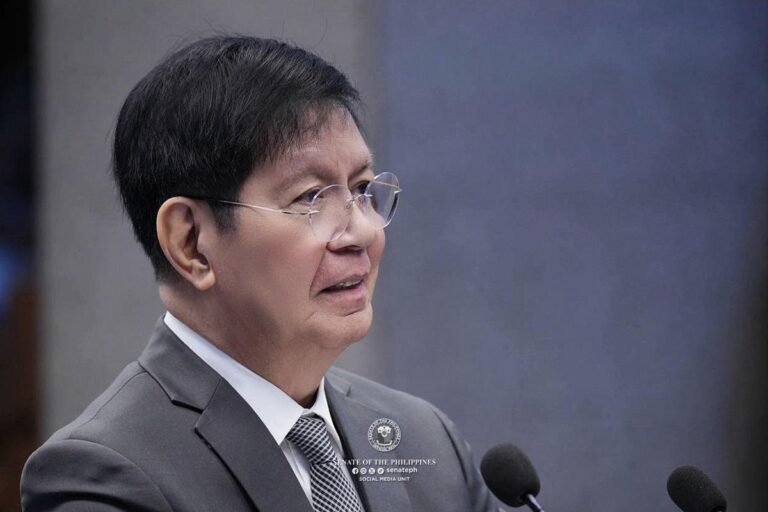
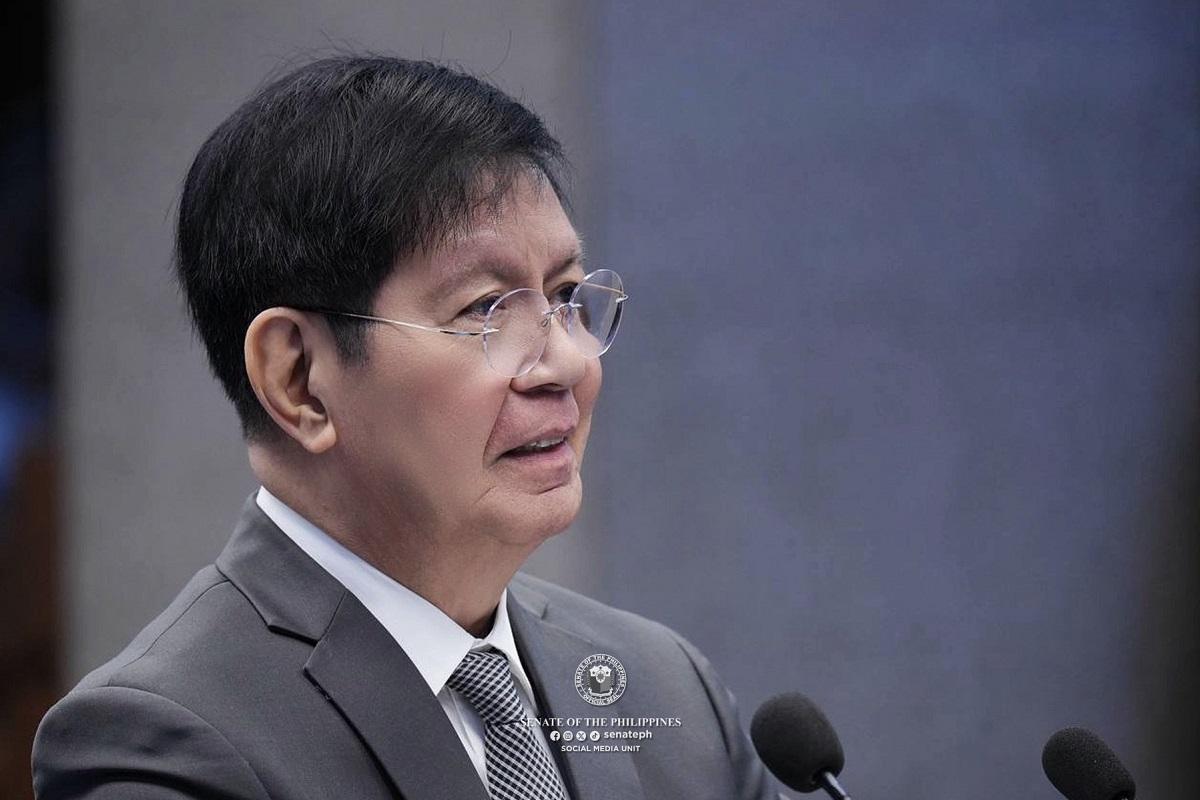
In a game-changing moment for the Philippine government, Senator Panfilo “Ping” Lacson shared his thoughts on a recent Supreme Court ruling that declared certain provisions of the 2024 and 2025 national budgets unconstitutional. This significant decision comes at a time when the Senate is diving deep into the House version of the proposed 2027 national budget—a perfect storm of circumstance.
Lacson expressed his relief and optimism, pointing out that the ruling emphasizes the constitutional boundaries Congress must adhere to when it comes to increasing budget appropriations recommended by the executive branch. “The timing of the Supreme Court ruling couldn’t be better,” he stated. This moment feels like a useful guiding light, as lawmakers navigate the tricky waters of budget negotiations.
It’s important to note that Lacson wasn’t a senator when the controversial 2024 and 2025 General Appropriations Acts were passed. Yet, he isn’t shying away from the consequences; he’s warned that the Senate’s review of the 2027 budget might revive “hundreds of billions” of pesos in cuts made by the House. He highlighted the potential impact on funding for vital foreign-assistance projects and additional allocations needed for flood control—issues that directly affect the lives of countless Filipinos.
Lacson didn’t mince words when he compared the 2024 and 2025 budgets to some of the worst in history, likening them to the infamous 2013 budget that involved the Disbursement Acceleration Program (DAP), which the Supreme Court also deemed unconstitutional.
The recent Supreme Court ruling was encapsulated in a detailed 121-page decision. It pointed out that Congress overstepped its bounds when it inflated the executive branch’s proposed unprogrammed appropriations from Php 281.9 billion to a staggering Php 731.4 billion in the 2024 budget. The Court highlighted that Congress is constitutionally barred from increasing the President’s total recommended appropriations.
Lacson went on to clarify that the implications of this ruling could mean that unspent funds under the budget might not be disbursed at all. “While expenditures already made likely won’t be invalidated, those that remain unspent may face challenges,” he noted.
Ensuring Transparency and Accountability
Meanwhile, Senate President Pro Tempore Vicente “Tito” Sotto stepped into the conversation with a commitment to maintain transparency in the 2027 national budget process. He expressed serious concerns over reports of changes being made behind the scenes. “We will not allow such practices in the Senate,” Sotto assured in a recent ambush interview.
Just as he oversaw the successful passage of the 2026 budget, Sotto emphasized a continued commitment to transparency. “What we did with the 2026 budget was ensure everything was open for public scrutiny. We even livestreamed the discussions!” he said, emphasizing that the people must know where their tax money is going.
A New Dawn for Fiscal Management
Former Albay lawmaker Joey Salceda welcomed the Supreme Court’s ruling, particularly its acknowledgment that unprogrammed appropriations can be a legitimate fiscal tool within constitutional limits. “This ruling gives us a chance to move past the disputes over national budgets and create a coherent, transparent budget system,” he noted.
Salceda urged that this is an opportunity for the President to take decisive action against the abuses of the past. He believes that working with Congress, the government can ensure flexibility while maintaining accountability as demanded by the Constitution.
Conclusion: A Call for Change
In a country where budgetary disputes have often overshadowed the pressing needs of the populace, these recent developments present a hopeful possibility for reform. As stakeholders continue to debate the future of the 2027 national budget, one thing is for certain: the conversations are shifting toward transparency, accountability, and a brighter fiscal future for all Filipinos.
Now, more than ever, it is crucial for every Filipino to stay informed and involved as the Senate moves forward. The decisions being made right now could shape the nation for years to come.