
Safeguarding Local Farmers: A New Approach to Rice Importation
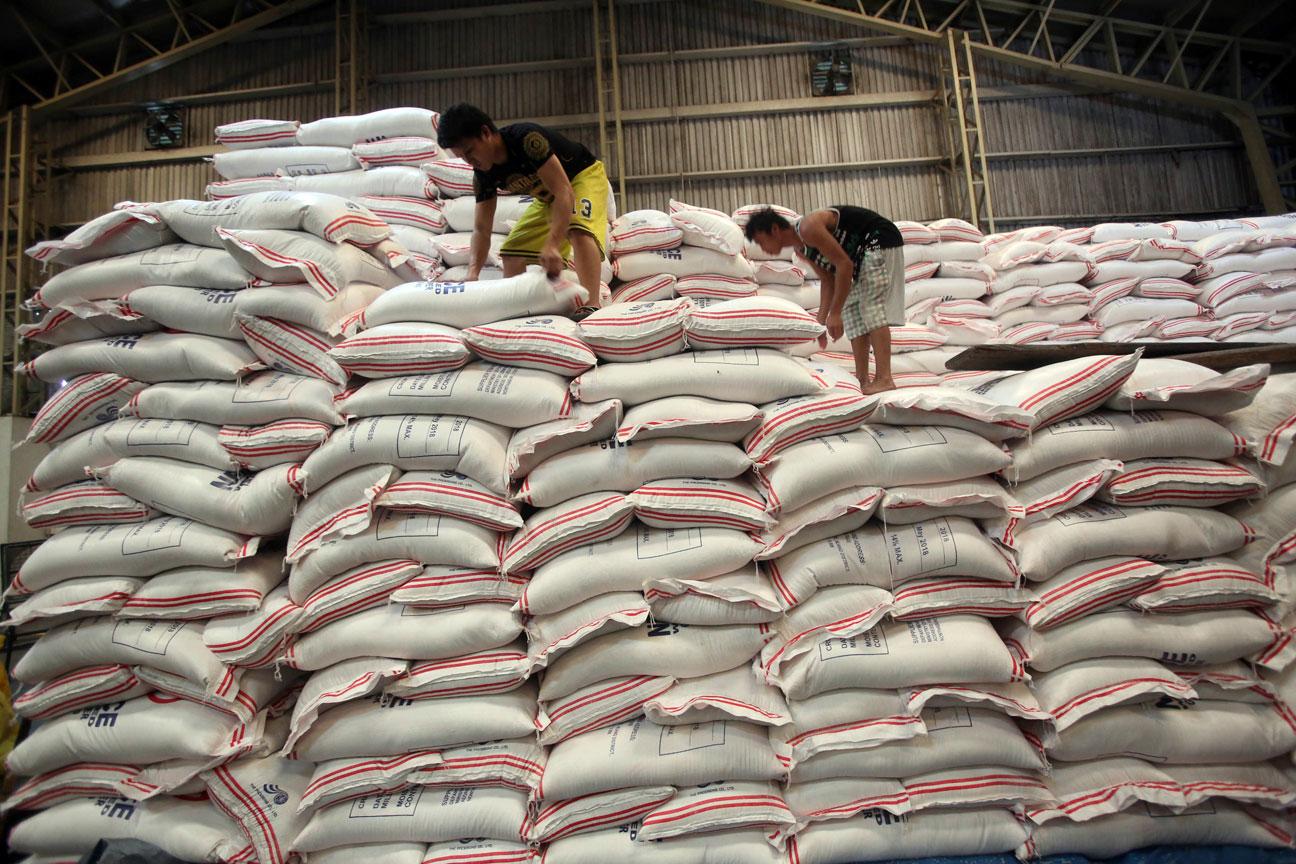
In an effort to protect our local farmers from being sidelined by cheaper, higher-quality foreign rice, the Department of Agriculture (DA) is taking a bold step. They are pushing for what they call an “informal ban” on the importation of 5% broken white rice.
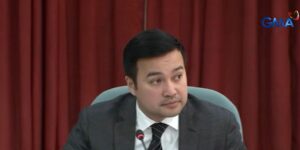
In a recent interview, Agriculture Secretary Francisco Tiu Laurel Jr. shared his vision with reporters, emphasizing the urgency to support our farmers. “The main reason our local production is struggling is because the quality of their rice is just better,” he lamented. It’s a sentiment that resonates deeply with anyone who understands the challenges faced by local agriculture.
A Call for Change
Tiu Laurel’s appeal to industry stakeholders is simple yet powerful: starting this month, only 25% broken rice should be allowed in. “We need to import lesser-quality rice for our local rice to have a fighting chance,” he explained, with a clear determination in his voice. It’s not just about lowering the quality of imports; it’s about giving our farmers a fair opportunity to thrive while they work on improving their own products.
He expressed a shared frustration among local millers and farmers, who find it nearly impossible to compete with the advanced production capabilities of neighboring exporters like Vietnam. These foreign varieties undergo up to four stages of polishing, resulting in a strictly controlled 5% broken grain ratio. In contrast, our local rice processing typically involves only one round of polishing, leading to a 25% broken ratio—largely due to rising electricity and logistics costs.
Investing in the Future
To address these challenges, Tiu Laurel has directed the Philippine Rice Research Institute (PhilRice) to focus on distributing new seed varieties that promise both high yields and superior quality. This is a crucial step toward leveling the playing field in an increasingly competitive market.
The DA’s proactive approach comes as the Tariff Commission is conducting an investigation into potential safeguards, like increased tariffs or quantity restrictions, to prevent another crisis similar to last year’s, when farmgate prices fell dramatically to as low as P8 to P12 per kilogram.
Taking Immediate Action
While awaiting the Tariff Commission’s decision, Tiu Laurel and the DA are taking immediate, albeit informal, action to stabilize local rice prices as we approach the critical harvest months of mid-September to October. Without the regulatory power to legally block the importation of those higher-quality rice varieties, the DA is heavily relying on consensus among traders.
“Yes, this is an appeal,” Tiu Laurel confirmed. He highlighted the collective spirit of collaboration, mentioning the meetings held with farmers, millers, importers, and traders. “In principle, they all agreed,” he added, signaling a unified front in this critical endeavor.
A Moment of Unity
Tiu Laurel’s message is clear: without this temporary truce, the competition could devolve into a chaotic struggle that benefits no one—least of all the farmers who toil to provide for our nation.
In a world where local farmers often find themselves under pressure from imported goods, this initiative symbolizes hope. Together, stakeholders are being called to come together, not just for profit, but for the survival of our agricultural sector—one that nourishes our country’s heart and soul.
As we move forward, let’s remember: supporting our local farmers isn’t just an economic decision; it’s an emotional commitment to ensuring that our land continues to thrive for generations to come.