

The Right to Assembly: Understanding the Law in the Philippines
Public assembly is a powerful expression of democracy, an essential aspect of society that allows voices to be heard. In the Philippines, this right is protected under the only law regulating public assembly: Batas Pambansa (BP) 880, also known as the Public Assembly Act of 1985. But what does this law entail? Let’s delve into its significance and implications, as explained by National Union of People’s Lawyers (NUPL) president, Ephraim Cortez.
Understanding the Basics
At its core, BP 880 defines public assembly broadly. It encompasses rallies, demonstrations, marches, parades, and any mass action in public spaces aimed at expressing opinions or advocating for lawful causes. According to Cortez, while BP 880 is the primary legislation governing these gatherings, it’s crucial to note that illegal assembly can also be prosecuted, particularly if armed groups participate with intent to commit crimes or incite rebellion.
Before organizing a public assembly, one crucial requirement comes into play: a written permit. However, no permit is needed for assemblies held in designated freedom parks, private properties, or educational institutions owned by the government. This allowance is rooted in the belief that education and public discourse should thrive without unnecessary barriers.
Responsibilities of Organizers
Organizers of public assemblies carry a significant burden. They must ensure the event unfolds peacefully and adheres to the conditions set out in the permits. Specifically, organizers are responsible for:
– Informing participants about their rights and responsibilities.
– Monitoring the crowd to prevent disruptions.
– Coordinating with local officials to ensure peace.
– Sticking to the agreed time frame and location.
– Taking steps to ensure the rights of non-participants are respected.
It’s a tall order, emphasizing the importance of order and respect, even in moments of passionate expression.
Law Enforcement and Public Assembly
Importantly, BP 880 stipulates that law enforcement should refrain from interfering with public assemblies. However, they are allowed to maintain peace from a distance, stationed at least 100 meters away from the gathering. This distance is crucial; it symbolizes the delicate balance between maintaining order and respecting the right to protest.
If violence erupts, the police are empowered to intervene, but only after a series of warnings are issued. This means that participants must be given the opportunity to rectify their conduct before any drastic actions are taken, including disbanding the assembly.
What Happens When the Law is Violated?
Section 13 of BP 880 outlines actions deemed as violations of the law. Organizing an assembly without a permit, misusing permits, or any action that disrupts peace within close proximity of an assembly can result in penalties ranging from one month to six years in prison. Yet, participating in a peaceful assembly without a permit cannot lead to criminal liability, which reinforces the idea that voicing one’s opinion is not a crime.
Unequal Treatment in Public Protests
Despite these provisions, Cortez highlights a troubling trend: the differential treatment of protesters. He points out that groups such as the Iglesia Ni Cristo (INC) seem to face far less resistance when organizing protests compared to movements led by groups like Bayan, which often encounter heavy police presence and intimidation.
Cortez passionately argues that the right to peaceful assembly should not hinge on an organizational label. “Absence of a permit alone is not a valid ground to restrict or prevent the exercise of the right,” he insists. The law should apply equally, regardless of who is gathering.
A Call for Fairness
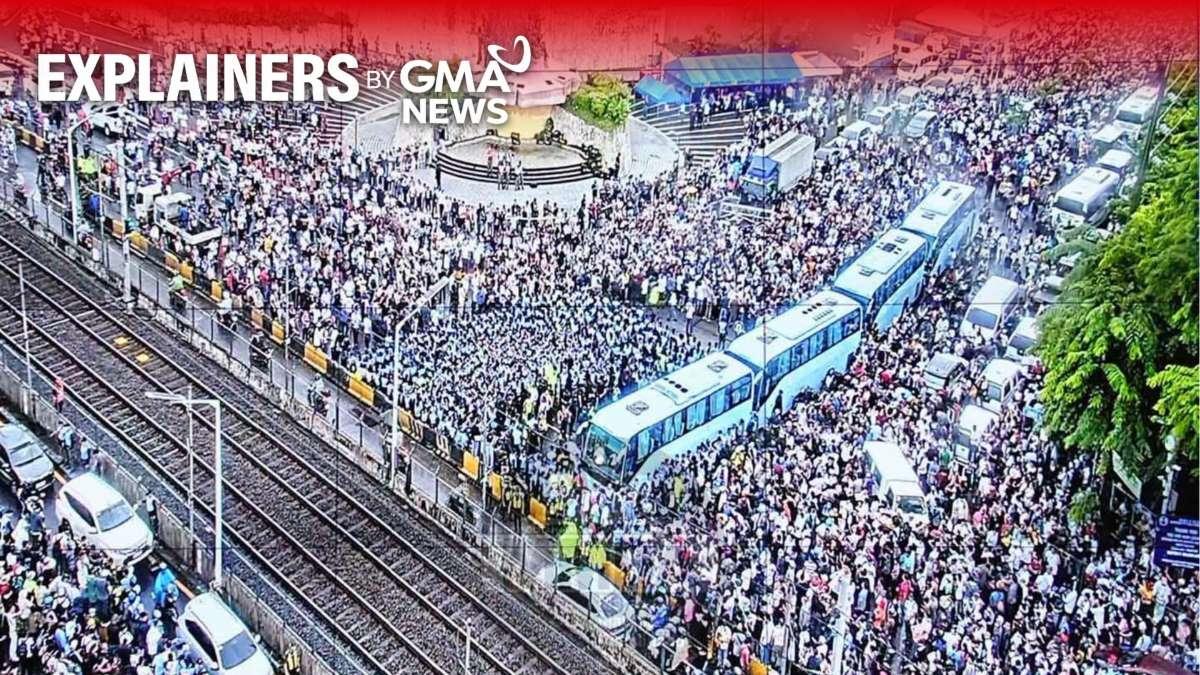
Recent events, like the rally along EDSA, demonstrate the complexities surrounding public assemblies. While the Quezon City government later granted permits for some groups, others are met with roadblocks and threats of dispersal. Cortez urges that this inconsistency cannot stand. He believes all groups deserve fair treatment, regardless of their agenda.
Conclusion: The Heart of Democracy
The ability to assemble peacefully is a cornerstone of democracy—the heart of civic engagement. As citizens, we must navigate the laws surrounding public assembly with awareness and empathy. Every voice matters, and every gathering holds the potential to inspire change. Understanding these rights and the laws governing them empowers us to stand up for what we believe in—together.