
The Ongoing Impeachment Saga: Vice President Duterte’s Stance and Legal Challenges
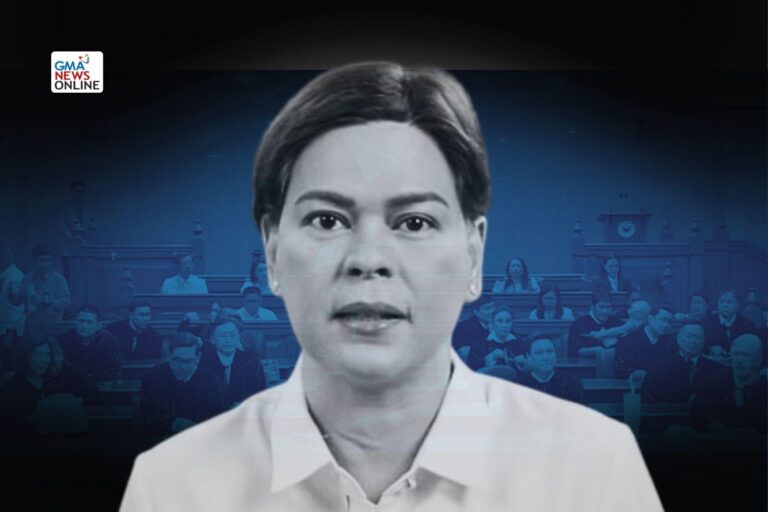
In an unfolding political drama that captures the essence of governance, emotion, and the power of due process, Vice President Sara Duterte has made a bold request: a plea to dismiss the Articles of Impeachment filed against her. However, this request appears to be met with a firm rebuttal from those tasked with the prosecution.
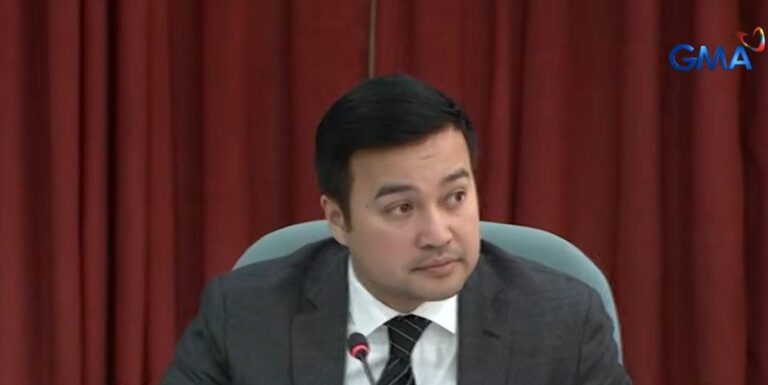
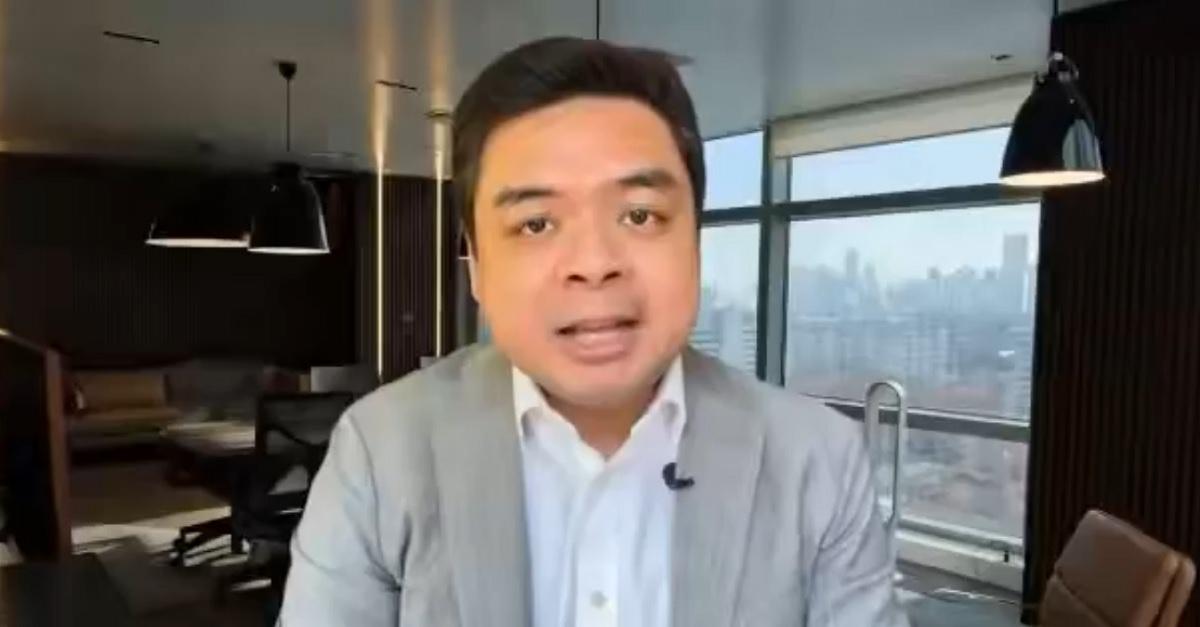
Terry Ridon, a member of the House Prosecution Panel and a representative from Bicol Saro Party-list, has clearly stated that dismissing the impeachment articles is not an option—at least not within the framework of the Constitution or Senate Rules on Impeachment.
“It’s Too Late,” Ridon Emphasizes
In an online interview, Ridon firmly asserted, “It is too late in the day to stop the trial.” He emphasized that the court proceedings will commence on July 6 and continue until a decision—conviction or acquittal—is reached against the Vice President. “There is no motion to dismiss in our Senate Impeachment Rules or the Constitution,” he added, making it clear that the legal route must be followed.
He further elaborated that once the House of Representatives transmitted the impeachment articles to the Senate, the process is set in stone. “We cannot backtrack now,” Ridon argued, underlining the seriousness of the situation.
Debunking Claims of Bad Faith
Showing confidence in the integrity of the impeachment process, Ridon rejected claims from Duterte that the articles are void due to supposed partiality and bad faith. “There is no basis for such a claim,” he asserted. He highlighted that the articles went through several rigorous processes in Congress before being approved by 257 lawmakers.
“This isn’t a matter of playing fast and loose with the rules,” he stated. “At every turn, the Vice President and her allies had the opportunity to respond. We cannot say the process has been tainted.”
Serious Allegations: What’s at Stake?
Among the serious allegations against Duterte is her admission of having made threats against the President, his family, and former officials. Ridon emphasized that “grave threats” are not an issue of free speech; they carry serious legal implications. “Making threats is punishable by law,” he said, stressing that this isn’t a trivial matter and cannot just be brushed off as a misunderstanding.
Furthermore, Ridon addressed the controversial Notices of Disallowance issued by the Commission on Audit. He revealed that statements from the Vice President claiming these notices were not final are, in fact, misleading. “Specifically, the notice regarding P73 million is already final and executory,” he declared, making it clear that the Vice President could be held personally accountable for that amount.
The Bigger Picture: Misuse of Public Funds
Ridon went on to clarify that the question of personal gain does not come into play in the impeachment context. “What matters is the misuse of public funds,” he stated plainly. He urged everyone not to be misled by attempts to deflect the conversation away from the true issue at hand.
Questions of Confidentiality and Evidence
Further complicating the narrative, Ridon addressed the defense panel’s claims regarding the confidentiality of records from the Anti Money Laundering Council (AMLC). He reminded everyone that during a trial, all relevant evidence could potentially be introduced.
“Let us be clear: the law allows for information-sharing, especially in matters as serious as this,” Ridon explained, aiming to dispel any doubts about the accessibility of crucial evidence.
Implications of Testimony and Future Proceedings
As the impeachment trial looms closer, questions arise about whether notable witnesses, including former Davao City Sheriff Abe Andres, would testify. Ridon noted, “His testimony is absolutely relevant to understanding the Vice President’s past actions.”
Looking ahead, he concluded with a hopeful yet solemn tone, stating, “By July 6, we expect all motions and matters to reach a resolution.”
Conclusion: A Nation on Edge
The stakes are high, and the nation watches closely as the Senate Impeachment Court prepares for what could be a landmark trial. With every statement, every rebuttal, and every legal argument, the emotions surrounding this political saga intensify. The outcome will undoubtedly shape not just the careers of those involved but also the future of governance in the Philippines.
As the trial approaches, one thing is certain: this issue isn’t just about impeachment. It’s about the very principles that uphold democracy, justice, and accountability. The nation waits, holding its breath, as history unfolds.