

A Bright Future: The Philippines and the Pax Silica Project
On a bright Wednesday morning, at the elegant Kapihan sa Manila Hotel, a significant announcement was made. The Bases Conversion and Development Authority (BCDA) is primed and ready to negotiate with the United States on a pivotal framework agreement for the groundbreaking Pax Silica project in New Clark City, Tarlac. BCDA President and CEO Joshua “Jake” Bingcang took the stage, filled with optimism and determination, emphasizing that the goal is to secure a deal that brings immense benefits to our nation.
Timing is Everything
The clock is ticking. The Philippine government hopes to sign this comprehensive framework agreement with the US by November. Bingcang acknowledged that while they aim for that timeline, “negotiations can always take longer.” He reassured everyone that this target is flexible—what matters most is achieving a mutually beneficial arrangement for both parties.
Putting the Philippines First
Bingcang passionately stated, “This is a business contract, and it should favor our country.” He reiterated that the project will operate under existing Philippine laws, specifically the BCDA law and CREATE MORE, ensuring a solid legal foundation for incentives. “We won’t adopt anything beyond these two laws,” he affirmed, highlighting the commitment to safeguarding national interests.
Joining a Global Initiative
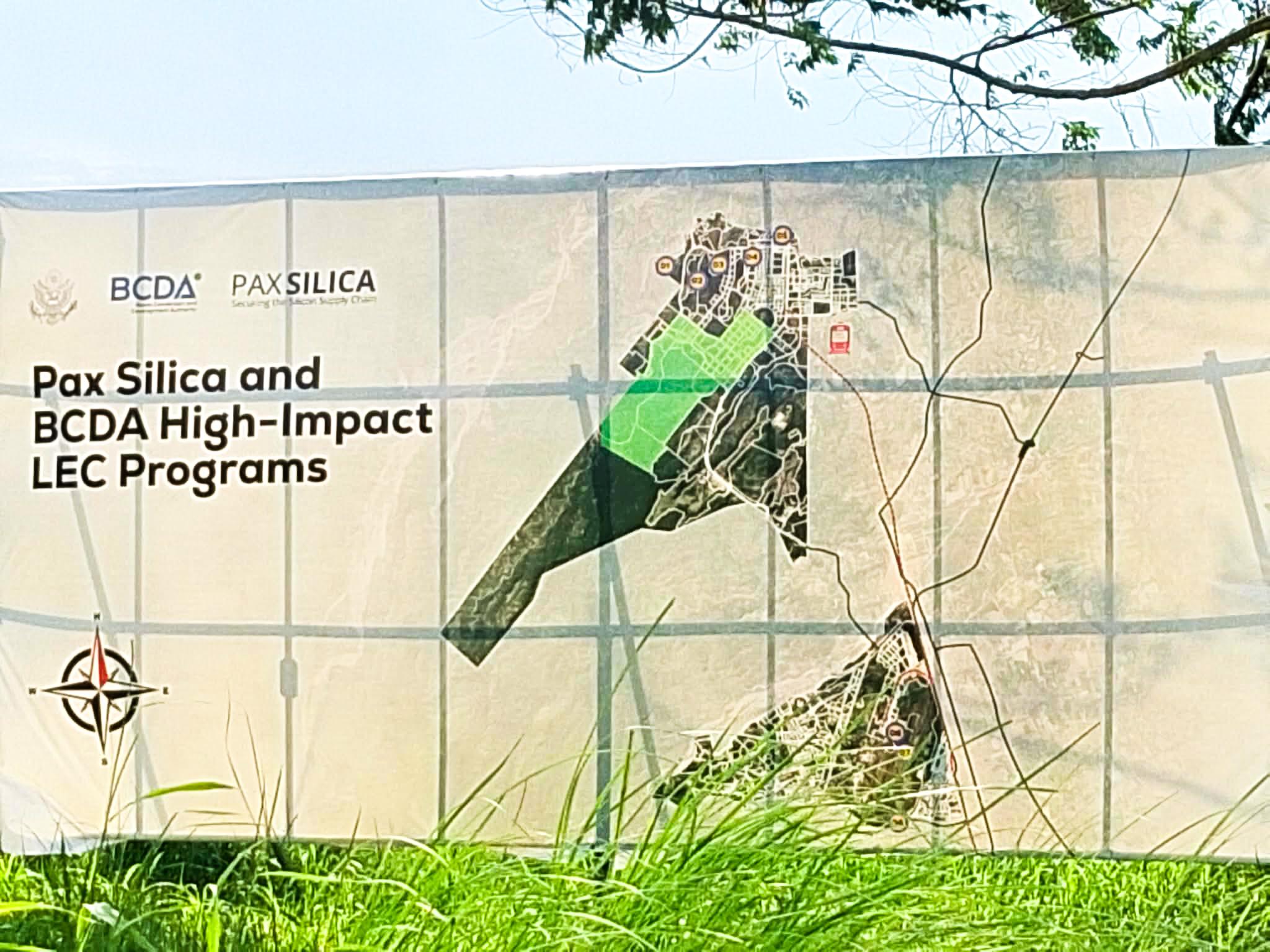
In April, the Philippines proudly joined the Pax Silica initiative, aligning itself with 23 global signatories, including giants like the European Union, Japan, and the United Kingdom. This endeavor, led by the US Department of State, focuses on harnessing the power of artificial intelligence and strengthening supply chain security. Together, Manila and Washington are setting out to lay the groundwork for a 4,000-acre industrial hub—a vision that goes beyond mere data centers, aiming instead to revolutionize manufacturing capabilities in semiconductors and microchips vital for our modern world.
Empowering Our Future
Imagine a landscape filled with up to 200 factories—each one brimming with opportunity. Bingcang expressed his excitement, saying this initiative could create around 180,000 direct jobs. “This is a once-in-a-lifetime opportunity for our country,” he exclaimed, envisioning a bustling industrial hub where innovation meets efficiency.
In an effort to ensure the future success of Pax Silica, proponents are looking to build their own power plant. This move will not only guarantee a consistent power supply—but will also be designed to avoid competition with nearby residential areas. A green approach is central to this vision, with solar energy options being considered to power the initiative.
Addressing Concerns
However, the path forward is not without challenges. Various environmental groups have raised concerns about the energy and water demands that the Pax Silica project may impose, potentially threatening agricultural land and indigenous communities. Bingcang and his team have steadfastly defended the project, emphasizing its potential to generate jobs and bolster the economy.
The Marcos administration has also stepped in, assuring the public that no farmers would be displaced by the development, as the designated site has been classified as a “buildable zone” since 2019.
Looking Ahead with Hope
As the discussions continue, there is a palpable sense of hope in the air. The Pax Silica project holds the promise of a brighter future—one that not only generates jobs and growth but also uplifts communities while embracing sustainability. With determination, dedication, and care for both the environment and economic progress, the Philippines stands on the cusp of a new chapter.
Let’s watch as this transformative journey unfolds, paving the way for a prosperous tomorrow for all Filipinos.