

Rising from the Storm: How Our Agriculture Sector is Battling the Aftermath of Natural Disasters
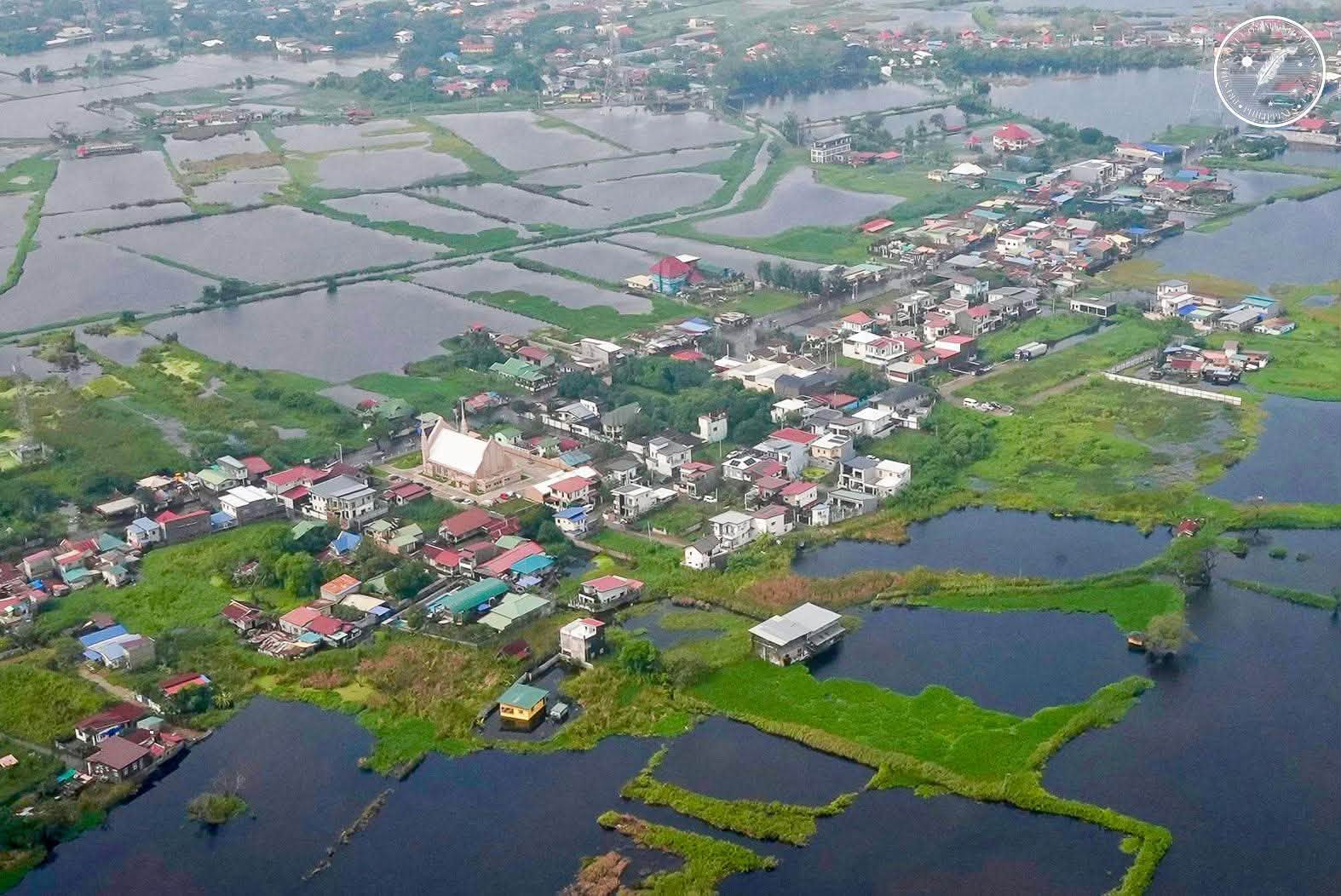
In recent weeks, our country faced an immense challenge as Tropical Cyclones Luis, Maymay, and Neneng lashed out, accompanied by the fierce winds of the enhanced Southwest Monsoon, or Habagat. Together, they left a staggering mark—over P2 billion in damage to our agriculture sector.
The toll? A collective loss of approximately 60,896 metric tons of crucial agricultural produce, affecting dedicated farmers and fisherfolk who pour their heart and soul into their work. Across eight regions—from the lush landscapes of the Cordillera Administrative Region to the bustling farms of Central Luzon and Western Visayas—69,615 farmers found themselves grappling with the aftermath.
As we look ahead, the Department of Agriculture (DA) doesn’t shy away from the reality. In a situation bulletin released Thursday, they emphasized that further damage could arise as ongoing assessments continue.
A Safety Net for Farmers and Fisherfolk
But amid this turbulent time, there’s hope. The DA is doing everything possible to support those impacted by the storm. They’ve rolled out a series of interventions aimed at helping as many farmers and fisherfolk as possible:
– P609.79 million worth of agricultural inputs—this includes vital seeds for rice, corn, and vegetables, helping farmers get back on their feet.
– They’ve issued 9,260 bags of palay-milled rice to Local Government Units in the hardest-hit areas, including Ilocos and Central Luzon, providing immediate relief to those in dire need.
– For those who insured their crops, P35.67 million in indemnity is set aside for 5,005 affected farmers thanks to the Philippine Crop Insurance Corporation (PCIC).
– Not to mention the Survival and Recovery (SURE) Loan Program, which offers loans of up to P25,000. These loans, free of interest and payable over three years, aim to keep our farmers afloat during these challenging times.
Teamwork in Action
The regional field offices of the DA are stepping up, coordinating closely with local government units and relevant agencies to respond to this crisis. They’ve mobilized logistical support, deploying KADIWA trucks to transport essential agricultural commodities, ensuring that help reaches those who need it most.
Additionally, the DA is vigilant about market prices. They’re closely tracking commodity flows to prevent any price gouging that could further burden our farmers and consumers alike.
Practical tips are also being shared, providing invaluable guidance on how farmers can minimize spoilage and losses while protecting their crops.
To facilitate these efforts, the DA has set up Help Desks at the Benguet AgriPinoy Trading Center and the La Trinidad Vegetable Trading Post. Here, affected farmers can receive real-time updates on available support and assistance.
Standing Strong Together
While the storms brought destruction, they also revealed the resilience and solidarity of our agricultural community. The government and various agencies are dedicated to revitalizing the sector, ensuring that farmers and fisherfolk aren’t left out in the rain.
Together, we will rise from this setback, rebuilding a stronger and more resilient agricultural landscape. Let’s keep our farmers in our hearts as they continue their essential work in feeding our nation.
In these challenging times, every gesture counts. From purchasing local produce to sharing information, we can all play a part in supporting those who weathered the storm. Together, we can cultivate hope and nurture the bonds that make our agricultural community thrive.