
A Call to Action: Preparing for El Niño and Strengthening Our Food Systems
On a bright Tuesday, Agriculture Secretary Francisco Tiu Laurel Jr. shared an uplifting message about the state of our agricultural landscape. After the recent challenges posed by the US-Israel versus Iran conflict, he noted that the tides are turning. “External conditions are now improving,” he said, signaling hope for farmers and communities across the nation.
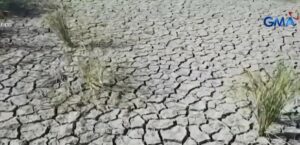
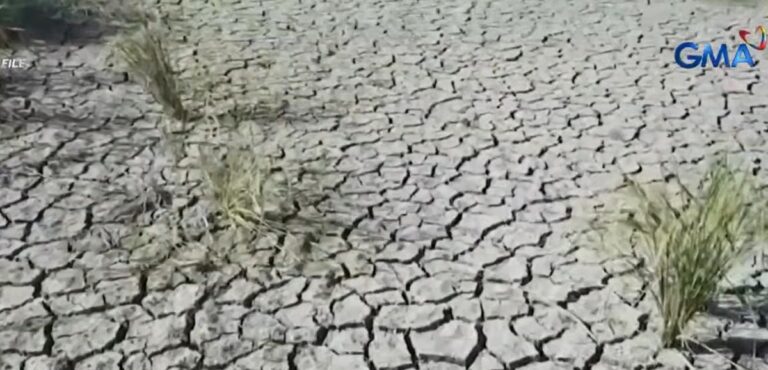
As the dust settles from those tumultuous events, we can finally breathe a little easier. Fuel prices are coming down, which eases the burden on our agricultural sector. Even more encouraging is the plummeting cost of fertilizer, which has dropped from a staggering $930 per metric ton to around $450. Tiu Laurel foresees domestic retail prices returning to their former levels of between P1,600 to P2,000 per bag by August. This drop in input costs presents a golden opportunity for farmers to maximize their planting efforts before the anticipated dry spell intensifies due to the El Niño phenomenon expected in the latter half of 2026.
“The Agriculture Department has more lead time than it did during the previous El Niño episode,” Tiu Laurel remarked. This advance notice is vital; with time on our side, we can implement effective measures to mitigate the impact of the impending dry conditions.
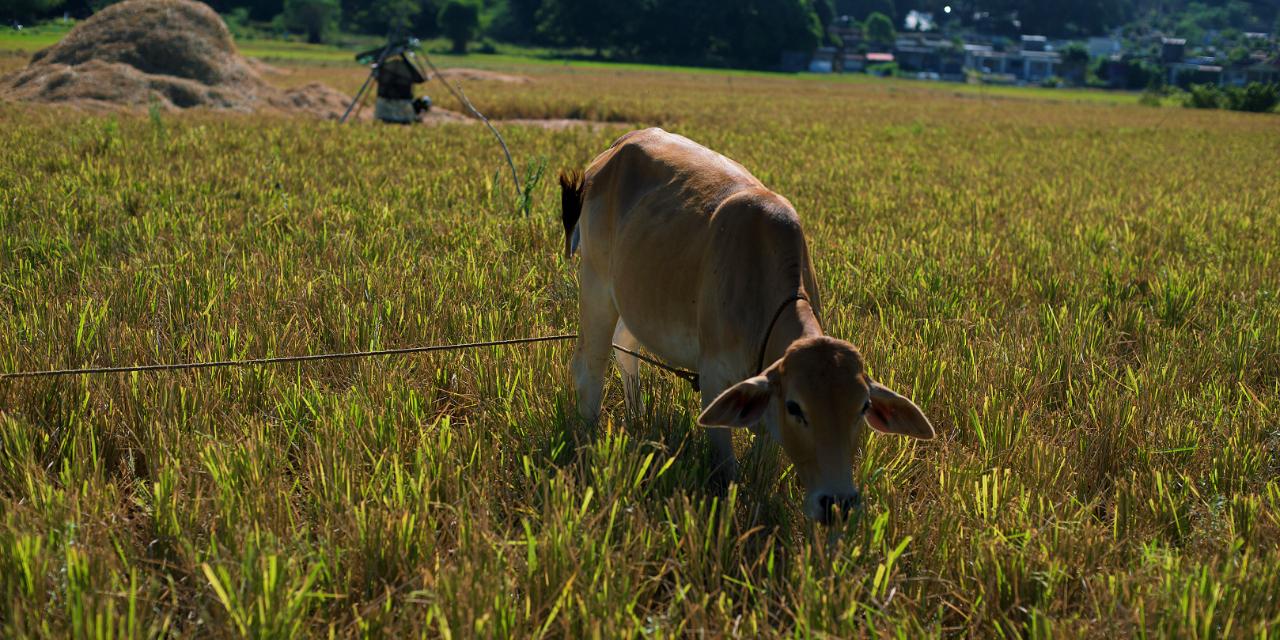
One of his key directives? To fast-track irrigation and climate adaptation projects, including small farm reservoirs that support both agriculture and fisheries. These reservoirs could provide a safety net—helping farmers sustain their crops and secure their livelihoods, rather than waiting helplessly for drought to wreak havoc. “Preparedness prevents a challenge from becoming a crisis,” Tiu Laurel emphasized, “and a crisis from deteriorating into a catastrophe. That must be our guiding principle in the months ahead.”
With strong indications pointing to an intense El Niño episode peaking around November, the urgency for proactive measures couldn’t be clearer. We are in a race against time, and every day counts in ensuring food security.
But Tiu Laurel’s vision extends beyond immediate responses to climate challenges. He advocates for a comprehensive approach to our food systems—an integrated network that harmonizes production, storage, logistics, and market demands, all bolstered by real-time data. Imagine a system where local harvests can be stored longer and delivered more effectively, minimizing our reliance on imports. This isn’t just a dream; it’s a necessity in securing our future.
In line with this vision, Tiu Laurel also tasked regional offices with pinpointing each province’s strongest agricultural and fisheries commodities. By quantifying production capacities and measuring post-harvest losses, we can strategically guide investments in storage, processing, and cold chain infrastructure.
We stand at a pivotal moment—a chance to fortify our agricultural resilience and safeguard our communities. As we brace ourselves for the months ahead, let’s embrace this opportunity to unite in action. Together, we can ensure that our nation not only survives but thrives in the face of adversity.
The time for preparation is now, and the hope for a sustainable future is within our reach. Let’s get to work!