

Connecting Fields to Futures: The Impact of Farm-to-Market Roads
In the heart of every agricultural community lies a substantial challenge: how do farmers get their produce from the fields to market? This question has been a pressing issue for generations. But thanks to concerted efforts, there’s a bright ray of hope shining through.
Since President Ferdinand “Bongbong” Marcos Jr. took office in 2022, more than 500 farm-to-market roads have been constructed across the Philippines—a remarkable achievement highlighted recently by the Department of Agrarian Reform (DAR).
Bridging Gaps
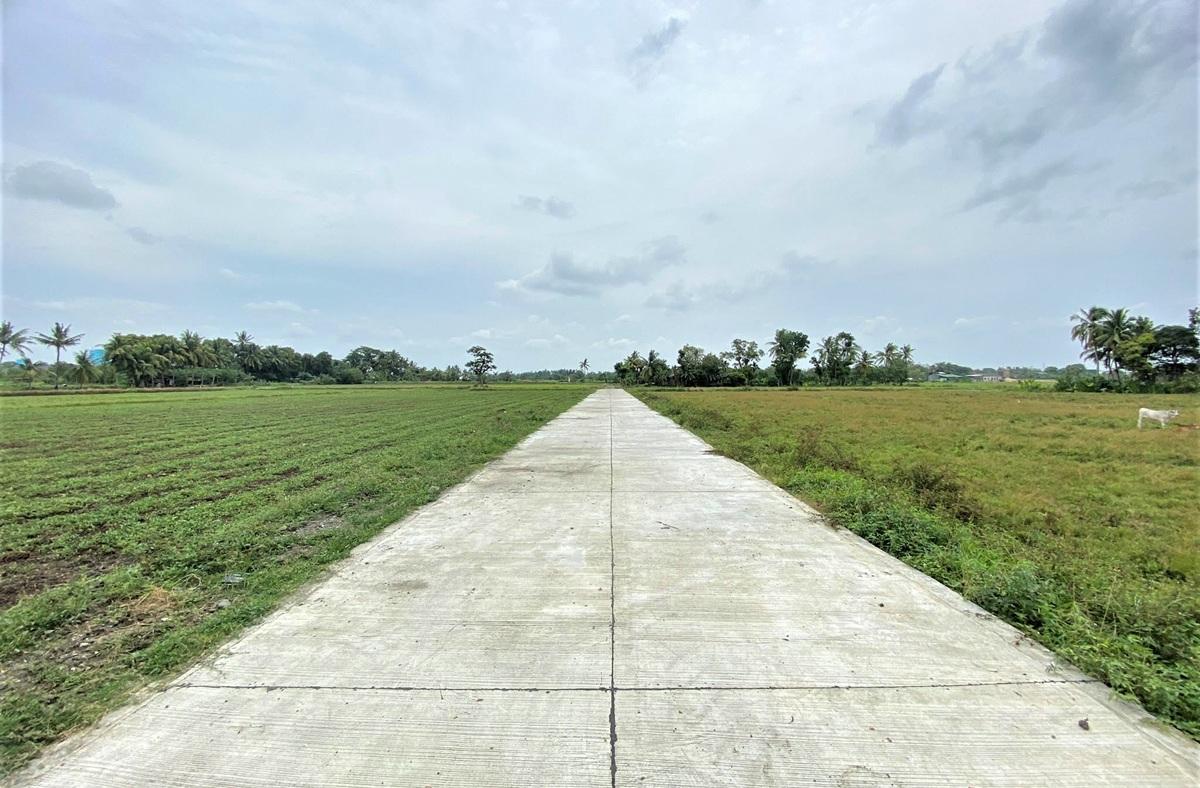
Imagine the scene: farmers rising with the sun, laboring on their land, their hopes tied to the harvest. But, despite their hard work, many found it painfully difficult to reach markets. That’s where these new roads come in. According to Agrarian Reform Secretary Conrado Estrella III, 537 roads have been completed from July 2022 to July 2023, spanning an impressive 435.807 kilometers. This means that over 155,000 agrarian reform beneficiaries are now experiencing the joy of greater access and opportunity.
“We are not just building roads,” Secretary Estrella emphasizes. “We are building bridges to better lives.”
A Bright Future Ahead
And the work isn’t done yet. Right now, there are 89 ongoing projects, stretching over 108 kilometers, designed to benefit nearly 27,000 more agricultural reform beneficiaries. These efforts mean increased incomes for families whose livelihoods depend on their produce reaching consumers.
The Power of Connectivity
Think about what these roads represent: a lifeline for farmers. With improved connectivity, transportation hardships decrease, market access widens, and income opportunities soar. It’s not just about getting produce from point A to point B; it’s about empowering those who feed the nation.
In the proposed budget for 2027, a substantial P16 billion is earmarked for farm-to-market roads. Though this is half of what was allocated the previous year, it’s still an investment in the future of agriculture and rural communities.
Harnessing Technology for Transparency
Earlier this year, the Department of Agriculture (DA) took a significant step towards transparency, allowing stakeholders to track projects—from proposal to completion. By integrating records with budget data, construction milestones, and even feedback from citizens, the DA is opening the door to accountability and community involvement.
A Collective Vision
As we look towards the future, the construction of these farm-to-market roads symbolizes more than just infrastructure. They symbolize hope, resilience, and a collective vision to uplift the farming community. Together, let’s celebrate this initiative and the farmers it supports, paving the path toward a more prosperous tomorrow.
In the end, it’s not merely about roads; it’s about nourishing dreams and nurturing a thriving agricultural landscape. Let’s keep moving forward, one road at a time.