


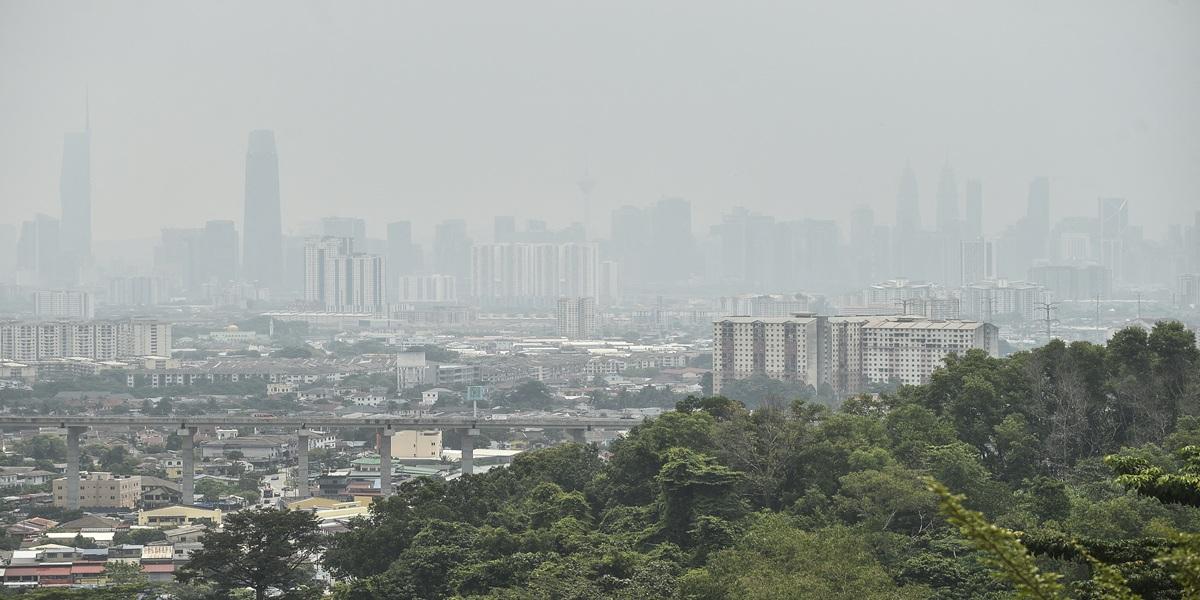
Cloud Seeding Operations Planned as Haze Chokes Sarawak
*KUCHING, Malaysia* – As the smoky blanket draped over the region thickens, officials in Sarawak have announced plans for cloud seeding operations slated for early September. This move comes in response to hazardous air quality, exacerbated by persistent wildfires raging across the border in Indonesia.
For weeks now, Indonesia, a sprawling archipelago, has been grappling with devastating wildfires. These fires have led to school closures and forced thousands to seek medical attention. But the impact isn’t confined to Indonesia; the choking smoke has drifted across borders, reaching Malaysia and Singapore, leaving many gasping for fresh air.
Sarawak, which shares a border with Indonesia’s Kalimantan province on Borneo Island, is feeling the brunt of this environmental crisis. Douglas Uggah Embas, chairman of the Sarawak Disaster Management Committee, revealed that cloud seeding operations could take place between September 3 and 5, contingent on favorable weather conditions.
“Cloud seeding can only be effectively executed when suitable cloud formations are present,” Uggah explained during a press conference. “It won’t make it rain if the clouds aren’t right.”
The urgency is palpable as air quality deteriorates across Sarawak. Just on Monday, seven locations reported air pollution levels considered hazardous, with the Serian district hitting a shocking 475 on the Air Pollutant Index (API). According to national guidelines, any reading above 300 is deemed hazardous, and levels breaching 500 could lead to emergency declarations.
“If an emergency is declared, it will be enforced strictly within that locality,” said Uggah, highlighting the seriousness of the situation.
Cloud seeding isn’t just about improving air quality; it also aims to replenish reservoirs and dams critically drained after an extended dry spell. Satellite monitoring has identified nine active hotspots in Sarawak, while Indonesia’s Kalimantan region is grappling with an astonishing 1,180 hotspots. From January to late August, Kalimantan recorded over 15,500 hotspots, with more than 13,000 ignited in August alone.
“This issue is not solely environmental; it’s a diplomatic one,” Uggah noted. He emphasized the need for the state government to urge federal authorities to address the matter with Jakarta under the ASEAN Agreement on Transboundary Haze Pollution.
In the meantime, local authorities are actively combating the hotspots in Sarawak, advising residents to limit outdoor activities and wear N95 masks to protect themselves from the toxic haze.
This annual crisis has been worsened this year by a powerful El Niño, a climate phenomenon that disrupts weather patterns and intensifies dryness in Indonesia, paving the way for severe fires. The haunting memory of the deadly fires of 2015 still lingers, which suffocated Southeast Asia in toxic smoke, causing widespread illness, school closures, and disrupted flights.
As the region braces for September, the resilience of Sarawak’s people shines through the haze, united in hope for rain and relief.