
Legal Minds Come Together in Historic Impeachment Proceedings
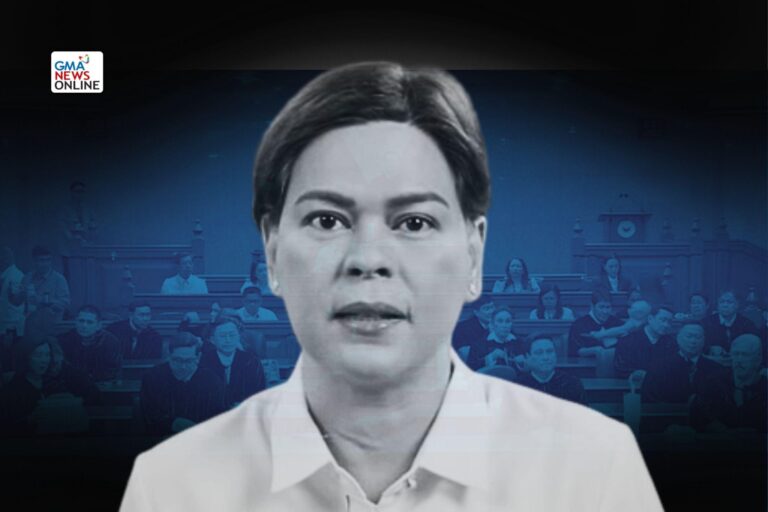
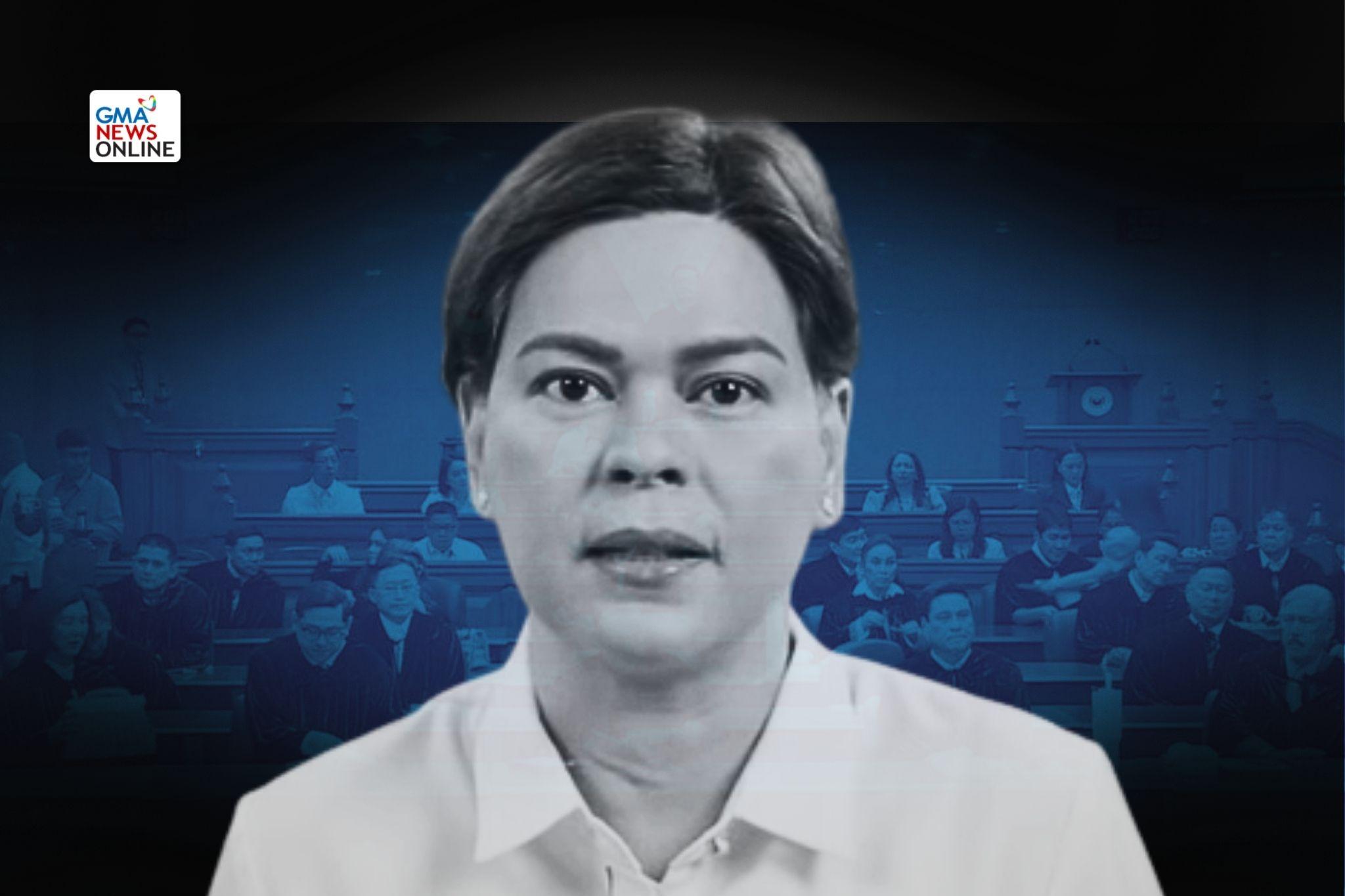
This Wednesday promises to be a pivotal moment in the impeachment trial of Vice President Sara Duterte. But instead of traditional courtroom drama, we’ll witness a gathering of legal minds—luminaries who won’t be witnesses, but rather, amici curiae, or friends of the court.
Senate impeachment court presiding officer Francis Escudero announced an important pause in proceedings. There won’t be any trial on Wednesday, allowing our esteemed retired Supreme Court justices the time they need to offer their legal expertise. The spotlight will shine on four former justices who have significant insights to share, particularly on the crucial question of how many votes are needed to convict the Vice President.
The Gathered Wisdom of Retired Justices
Among those gracing the court will be three distinguished figures: Retired Supreme Court Chief Justices Artemio Panganiban and Reynato Puno, along with Associate Justice Adolf Azcuna. In addition, Retired Chief Justice Hilario Davide Jr. will contribute his wisdom through a legal memorandum, despite not being physically present.
Before this session, copies of Davide’s memorandum, alongside a position paper from San Beda University School of Law Dean Fr. Ranhilio Aquino, found their way into the hands of senator-judges and other involved parties.
A Chance for Questions and Clarity
This is a unique opportunity for senator-judges to ask questions that matter. Each senator will have five minutes to engage with the three justices present. Moreover, both defense and prosecution teams can pose their queries through President Escudero.
What will they be digging into? A key focus is the interpretation of the Constitution, specifically Article XI, Section 3, Paragraph 6. The crux of the matter revolves around the phrase “all the Members of the Senate.” Should it refer to all 24 senators, or only to those “legally and physically capacitated” to participate and vote?
Complex Legal Questions Await
The justices will tackle other pressing questions, too. For instance, they will dissect the implications of the Avelino v. Cuenco case. Does its interpretation apply to senators who are detained, abroad, suspended, or otherwise unreachable? Should they still be considered part of the “all the Members of the Senate” in terms of the two-thirds vote required for conviction?
Moreover, they will ponder whether a senator-judge who missed or didn’t participate in crucial impeachment proceedings can still cast a valid vote. These are not mere technicalities; these questions touch the very heart of our democratic process.
As the legal luminaries prepare to share their insights, the atmosphere is charged with anticipation. The answers they provide could significantly shape the impeachment trial and influence the course of our nation’s history.
Stay tuned as this compelling legal saga unfolds, and remember: wisdom isn’t just about knowing the law; it’s about understanding the heart of justice.