

Exploring New Frontiers: President Marcos’ Journey to Strengthen Philippine-India Relations
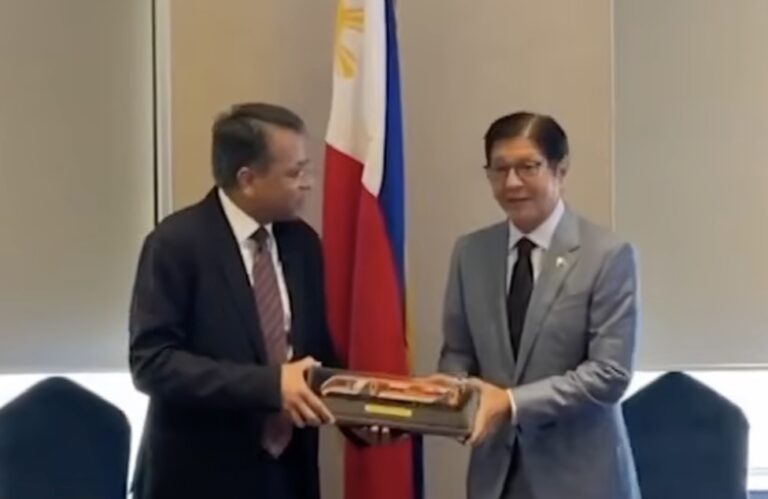
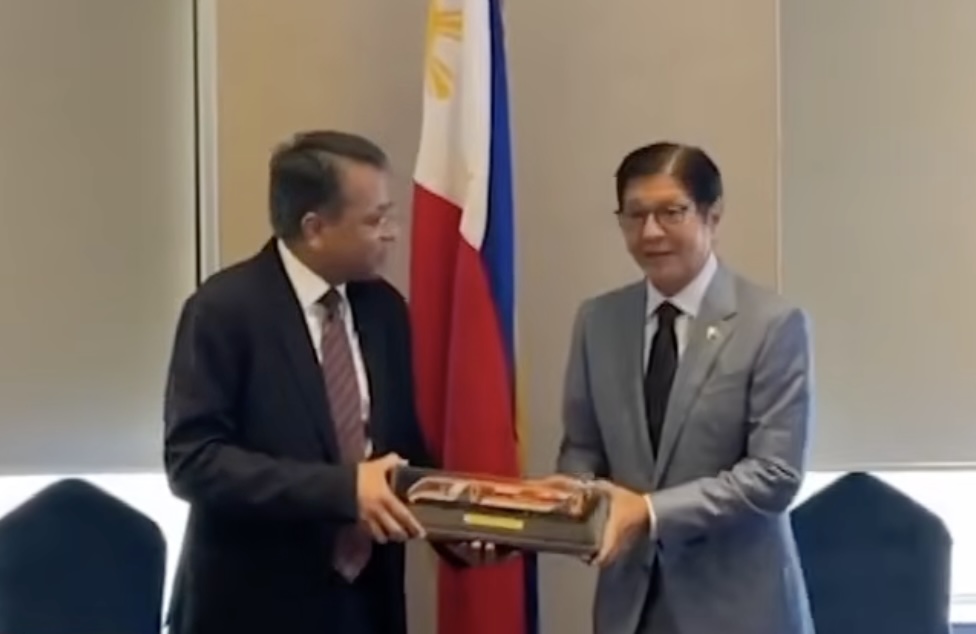
Last Saturday, President Ferdinand “Bongbong” Marcos Jr. embarked on a significant diplomatic mission. During the 8th BRICS Summit in India, he had an important meeting with representatives of an Indian railway company, diving deep into the studies for three proposed railway systems in the Philippines. This includes ambitious projects in Mindanao and Cebu, as well as the much-anticipated extension of the Philippine National Railways from Tutuban in Manila.
Marcos arrived in New Delhi at 11:15 p.m., local time, greeted by a whirlwind of excitement and purpose. Invited by Indian Prime Minister Narendra Modi, he attended the summit as the ASEAN chair for 2026, representing non-member countries amidst discussions of emerging economies.
In his departure statement, Marcos expressed his commitment to advocating for global governance and disaster preparedness. “We will push for fairer global governance,” he said, passionately emphasizing the importance of a united front in disaster response, responsible technology use, and climate action. His eyes lit up with determination as he spoke about the need for peaceful dispute resolution under international law.
Notably, prominent leaders like Chinese President Xi Jinping and Russian President Vladimir Putin were also present at the summit. However, Marcos made it clear that his focus was on building bridges rather than engaging in formal talks with these leaders, ensuring that the Philippines remains open to various international partnerships while honoring maritime laws. “We must ensure that the sea lanes are free, open, and regulated by law,” he stated, his tone resolute.
His agenda didn’t stop at railways. Marcos met with representatives from the Indian Space Research Organisation and the Coalition for Disaster Resilient Infrastructure. Together, they explored strategies for disaster management and resilience—a topic close to the President’s heart. “We discussed how coalition members have faced disasters and how we can enhance our own resilience,” shared Dave Gomez, Secretary of the Presidential Communications Office. “They will also assist us in securing financing for these initiatives.”
As part of his busy schedule, Marcos was set to meet with Modi once again to review the progress of their five-year action plan—a vital step in strengthening Philippines-India ties. This would be their first encounter since Marcos’ state visit last year. They planned to touch on a myriad of critical topics: defense cooperation, trade investment, health, and even direct air connectivity between their nations.
“This is not just about our countries—it’s about our people,” Marcos reiterated, stressing the importance of fostering people-to-people ties and enhancing tourism. He also saw this as an opportunity to renew his invitation to Prime Minister Modi to visit Manila for the upcoming ASEAN-India Summit in November—an event that promises to forge even closer connections.
As the summit unfolded, Marcos prepared to attend the BRICS Gala Dinner on the evening of September 12 and to deliver a heartfelt speech during the opening session on September 13. It’s a busy but vital time in the life of the President, symbolizing a new chapter of collaboration and friendship between the Philippines and India.
In a world that often feels divided, Marcos is eager to promote unity and cooperation, as he builds a future that is not only brave but bright for generations to come.