


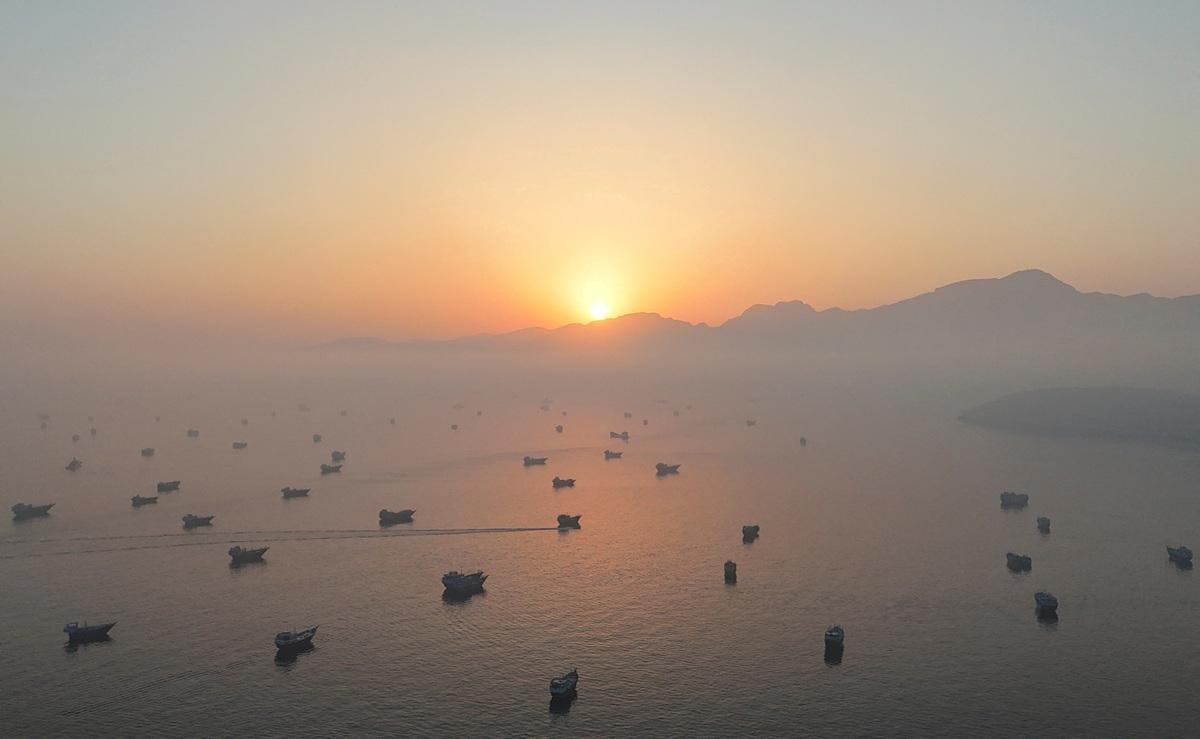
Strait of Hormuz Tensions Rise: A Clash of Interests and Threats
In a startling twist, maritime trackers reported an attack on a ship navigating the Strait of Hormuz this Sunday. This incident has intensified worries over Iran-related threats to energy supplies, especially after Saudi Arabia temporarily shut down a crucial oil pipeline.
The UKMTO, a British navy-affiliated agency, noted that a projectile struck a vessel, raising questions about the damage inflicted and the crew’s condition. As early as Sunday morning, details remained elusive. This unsettling news follows Saudi Arabia’s announcement to halt its East-West pipeline—an essential artery for global oil supplies—due to a precautionary measure after a drone attack linked to Iranian-backed militias in Iraq.
The ongoing chaos in the Middle East could escalate energy prices even further. Just last week, Brent crude saw its price surge back above $100 a barrel.
The East-West pipeline, stretching over 1,200 kilometers (or 745 miles) across the Arabian Peninsula, has been the primary route for Middle Eastern oil, especially as the Strait of Hormuz remains fraught with danger. This pipeline transports between 4 million to 5 million barrels daily, accounting for 4% to 5% of the world’s oil supply. Thanks to this pipeline, Saudi Arabia has managed to soften the impact of disruptions that have hit other Gulf oil exporters hard.
Despite the chaos, there was no immediate claim of responsibility for the attacks on the pipeline. Satellite images floated through social media, showing plumes of black smoke rising ominously from an area south of Medina. The Saudi Foreign Ministry confirmed injuries and damage, but specifics about the impact on exports were scarce.
Meanwhile, U.S. President Donald Trump, while visiting Ireland for a golf tournament, suggested that Iran was likely responsible for these threats. The situation escalated on Saturday when the Saudi Civil Defense revealed that a projectile from Houthi rebels had injured two individuals in the Jazan region and damaged nearby buildings, including a mosque.
In a chilling turn, Iranian state media announced that an Iranian commercial vessel was struck off its southern coast, leading to the tragic death of one person and injuries to three others. On the same day, Houthi-run Al Masirah TV reported that Saudi Arabia carried out airstrikes in Taiz province, although there was no official confirmation from the Saudi government.
Oil prices have skyrocketed recently, with the retail price of diesel in the United States hitting a staggering $6 a gallon. The ongoing conflict between the United States and Iran, coupled with Houthi advances along the Red Sea, threatens yet another crucial oil route.
Amid this turmoil, Saudi Arabia’s Crown Prince Mohammed bin Salman reached out to Trump, requesting U.S. military support against the Houthis. Reports suggest that while the U.S. may not intervene directly, it could offer intelligence support. In a twist of fate, the Houthis have urged Washington not to involve itself directly in the fight.
Meanwhile, tensions continue to build. Reports indicate the Houthis recently seized the strategic island of Perim, a key location at the Bab el-Mandeb strait, known as the “Gate of Tears.”
Dialogue seems as distant as ever. Since a June agreement unraveled just weeks later, there have been no further talks between the U.S. and Iran. Ebrahim Azizi, a significant figure in Iran’s parliament, has asserted that dialogue would be futile unless the U.S. accepts all of Iran’s conditions.
Amid these struggles, Iran announced it would attend a meeting with Gulf Arab states in Oman to discuss the future of the Strait of Hormuz. However, a senior Iranian official tempered expectations, suggesting that while discussions about the strait are crucial, breakthroughs are unlikely.
As the world watches, the stakes grow higher. The Strait of Hormuz remains a vital yet precarious artery for global energy, and the ripples of conflict extend far beyond its shores. The need for resolution has never been more pressing, as the tension between interests continues to simmer just beneath the surface.