


The State of Rice and Corn: A Closer Look at Our Food Supply
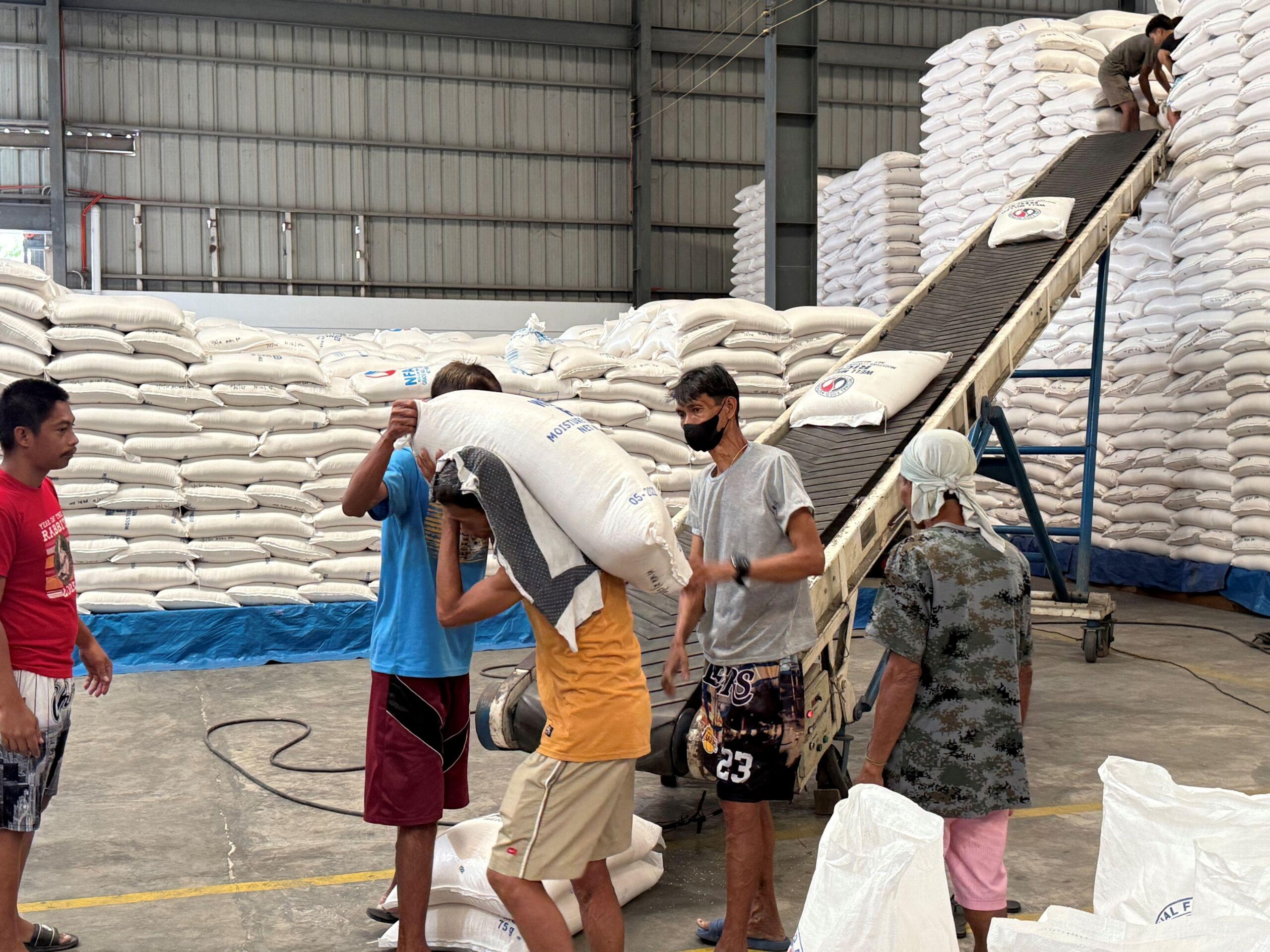
In October, the Philippines faced a significant drop in its rice inventory, now standing at 2.16 million metric tons (MT). This marks an 8.3% decrease from last year’s figures, which recorded a healthier 2.35 million MT. However, there’s a silver lining! When compared to September, total rice stocks saw a notable boost of 13.2%, climbing from 1.91 million MT.
The Philippine Statistics Authority (PSA) paints an intriguing picture of our rice situation. While stocks in National Food Authority (NFA) warehouses and household reserves have dwindled — down by 38% and 15.3% respectively — the commercial sector is thriving with a 12.6% increase in inventories. Isn’t it fascinating how one segment of our food supply can shine when others struggle?
Breaking down the numbers reveals that nearly half of our rice inventory, about 49.8%, comes from the commercial sector. Households contribute 37.3%, with the NFA warehouses making up the remaining 12.9%. It’s a balancing act, showcasing how diverse sources play a vital role in our food security.
Looking back to the third quarter, the total rice stock was recorded at 3.08 million MT. That’s a sharp decline of around 18% from the impressive 3.75 million MT of the same quarter in 2022. The Department of Agriculture (DA) has pointed out that this decrease in palay production is largely due to a reduction in harvested areas — a situation that wasn’t solely caused by the looming threat of El Niño. The DA remains optimistic, assuring us that, thanks to millions of metric tons in rice imports, our supply should stay steady through the end of the year.
Now, let’s turn our attention to corn. In October, our corn inventory rose to 996.81 thousand MT, a 17.7% increase from the 846.81 thousand MT reported in the same period last year. Month-on-month, there’s good news as well, with stocks climbing by 22.1% from September’s 816.46 thousand MT.
However, it’s important to note that while corn stocks have grown recently, the total for the third quarter stands at 2.003 million MT, down from 2.425 million MT in 2022. The DA has attributed this decline in production largely to the impacts of El Niño, a factor that continues to worry many farmers and consumers alike.
In response to these supply concerns, an executive order has recently increased the corn import quota under the Minimum Access Volume (MAV) scheme to 500,000 MT. This decisive move aims to help stabilize animal feed prices amidst growing worries about domestic shortages.
As we move forward, the landscape of our agricultural supply remains complex and dynamic. With changes that challenge both rice and corn production, it’s clearer than ever that our food security hinges on multiple factors, both local and global, and it’s our responsibility to stay informed and proactive.
Let’s remember — it’s not just about the numbers. Behind every statistic lies the livelihood of farmers, the well-being of families, and the very essence of our nation’s food future. Let’s keep these vital conversations going!