
A Ray of Hope: Decline in Poverty Across the Philippines
In a heartening turn of events, the Philippine Statistics Authority (PSA) has unveiled that poverty incidence has dipped across all 18 regions of the country, and the news is nothing short of inspiring. In their latest update on the 2025 Official Poverty Statistics, the PSA revealed a decline that would uplift any nation’s spirit.
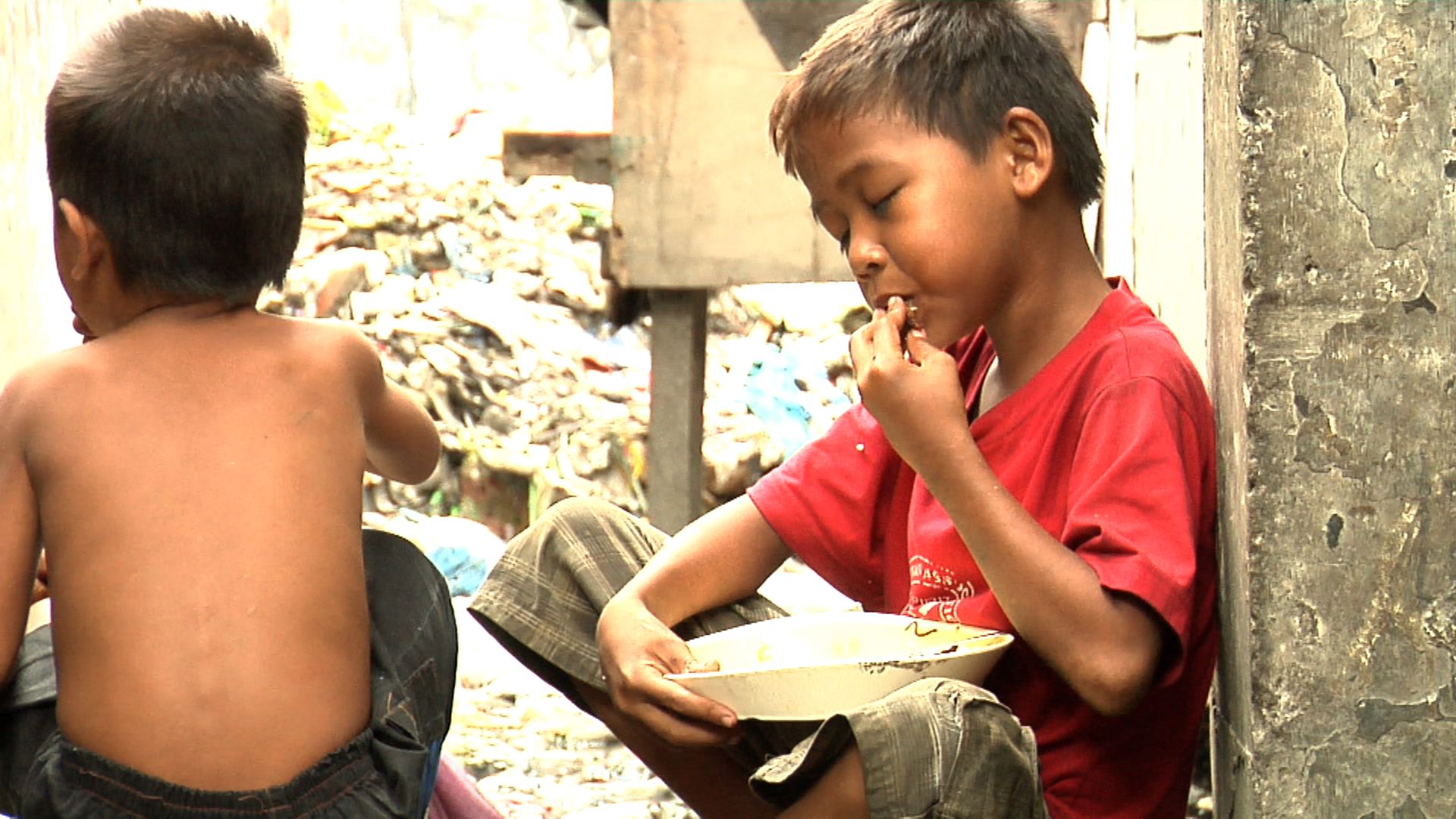
Imagine for a moment: in 2023, 17.5 million Filipinos were living below the poverty line of just P14,634 a month for a typical family of five. Fast forward to 2025, and that number has plummeted to 11.08 million. That’s a significant leap—6.5 million Filipinos have been lifted out of poverty in just two years. It’s a remarkable transformation that speaks volumes about resilience and hope.
A Nation United in Progress
The PSA noted that every single one of the 18 regions has experienced a statistically significant reduction in poverty among families. This tells a powerful story—a collective effort yielding wonderful results. Among these regions, the Bangsamoro Autonomous Region in Muslim Mindanao (BARMM) stood out with breathtaking improvement. Its poverty rate fell from a staggering 26% to 12.8%. That’s not just a number; it’s lives changed, dreams renewed, and futures brightened.
On the other hand, the National Capital Region (NCR) emerged as the least impoverished area, boasting a poverty incidence of just 0.6% in 2025, down from 1.1%. It’s a testament to how diverse the landscape is, and how different regions can forge their unique paths toward prosperity.
Yet, not everything is rosy. The Bicol Region still faces challenges, recording the highest poverty rate at 16.8%—though this is a drop from 20.3%. It reminds us that, while we celebrate achievements, we must also acknowledge ongoing struggles.
A Positive Shift in Economic Conditions
The Department of Economy, Planning, and Development (DEPDev) has shed light on the economic conditions that helped fuel this decline. Between 2023 and 2025, opportunities blossomed as the economy experienced sustained growth. With a real GDP growth rate averaging 5.1% and inflation moderating to 2.5%, more Filipinos found pathways to economic stability.
Yet, not everyone is convinced. Development think tank IBON Foundation voiced skepticism about the government’s latest poverty statistics, challenging us to look deeper and not just settle for the surface level of success.
A Shared Journey
As we contemplate what these numbers mean, it’s essential to remember that they represent real people—mothers, fathers, children, and elders, who are now navigating life with a bit more hope. Each statistic is a story, a journey from struggle towards a brighter tomorrow. The decline in poverty across the Philippines isn’t just about numbers; it’s about lives being transformed.
Let’s hold on to this positivity and push forward. Every step taken away from poverty is a step toward a better future for all. Together, we can aspire for continued growth, not just in statistics but in the hearts and lives of every Filipino.