
The Peso Takes a Dive: What’s Happening to the Philippine Currency?
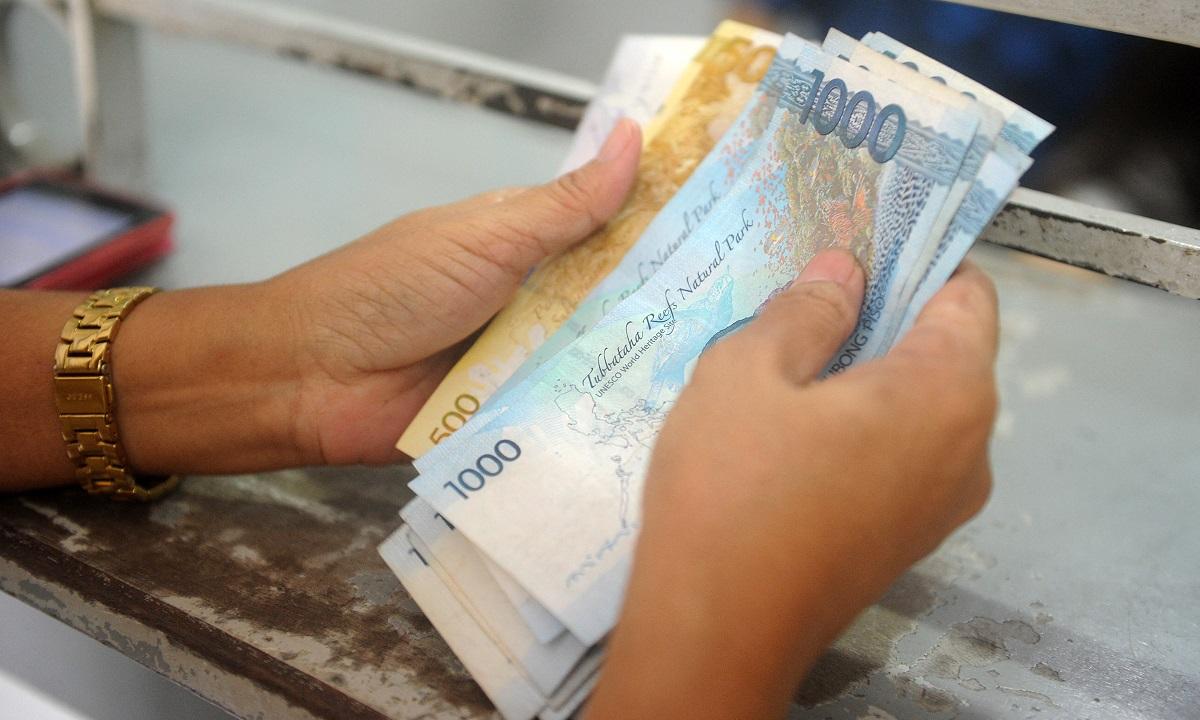
In a worrying turn of events, the Philippine peso has plunged beyond the P63 per dollar mark, reaching its 29th historic low this year. On Wednesday, the local currency lost 27.1 centavos, closing at P63.361 to the dollar. Just the day before, it had been at P63.09 to the dollar, showing how quickly things can change in the financial world.
The peso opened at P63.01, fluctuating throughout the day. It hit a troubling low of P63.373 before slightly stabilizing at the day’s end.
Why Is This Happening?
Michael Ricafort, Chief Economist at Rizal Commercial Banking Corp, attributes this downward trend to the ongoing strength of the dollar, which is compounded by rising Brent crude oil prices that recently soared past $110 a barrel. Tensions escalated after Iran’s recent attacks in the Strait of Hormuz, sending shockwaves through global markets.
Adding to the swirling uncertainty, Ricafort pointed out that the peso’s decline came just a day before the Bangko Sentral ng Pilipinas (BSP) was widely expected to raise interest rates by 25 basis points—largely something already anticipated by investors.
John Paolo Rivera, a senior research fellow at the Philippine Institute for Development Studies, echoed these sentiments. He explained that the peso’s struggles are reflective of a broader picture: persistent demand for dollars, ongoing global financial uncertainty, and elevated oil prices. Moreover, there are increasing concerns about the country’s external position, particularly the alarming widening of the balance of payments (BOP) deficit.
What’s the BOP Deficit?
Recent data from the BSP reveals a staggering BOP deficit of $9.1 billion as of the end of September—a significant rise from last year’s $5.3 billion deficit in the same timeframe. This balance of payments accounts for all transactions between the Philippines and the rest of the world over a specific period. A surplus signals that more money is flowing into the country, while a deficit indicates money is leaving.
How Does This Affect You?
As the peso continues to depreciate, the repercussions could be felt far and wide. Import costs are likely to soar, adding pressure to inflation—particularly affecting essentials like fuel, food, and transportation. Rivera warns that while short-term volatility is expected, the bigger concern lies in the prolonged weakness of the peso. This ongoing decline not only erodes household purchasing power but also ramps up business costs, creating a ripple effect across the economy.
In these challenging times, it’s crucial to stay informed about how these financial shifts impact our lives and the broader world around us. As we navigate these turbulent waters, remember: awareness is the first step toward resilience.
Stay tuned for more updates on the Philippine economy and other breaking news stories—together, we can weather any storm.