
Navigating a Changing Sea: The Challenges and Triumphs of Filipino Seafarers
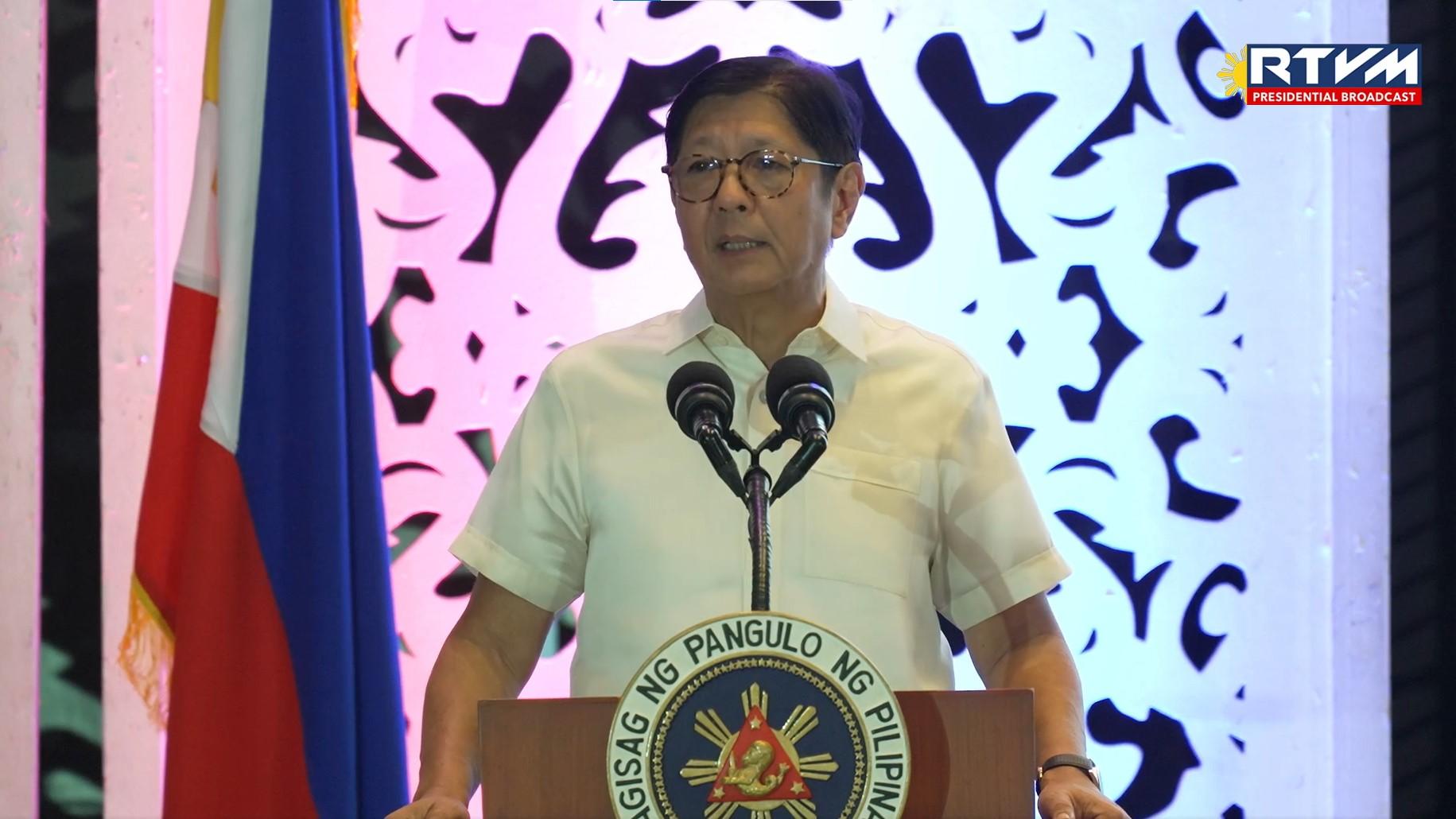
On a bright Wednesday in Manila, President Ferdinand “Bongbong” Marcos Jr. took to the stage at the Philippine Maritime Convention, delivering a heartfelt message about the country’s proud legacy as the world’s leading producer of seafarers. It’s a title that comes with great honor, but the journey our seafarers embark upon is becoming increasingly complex—and at times, perilous.
“Did you know?” Marcos began, pausing for effect. “The Philippines accounts for nearly one in every five deployed seafarers across the globe.” He spoke with pride, highlighting that Filipino seafarers are highly sought after for their skill and character—a testament to their hard work and dedication.
Yet, the President was quick to address the stark reality. “Today, the maritime sector is navigating through profound change. Our seafarers are facing challenges that are not just complicated but, sadly, dangerous.” His voice softened as he painted a somber picture. “They’ve found themselves ensnared in conflicts, geopolitical tensions, and security incidents they had no role in creating.”
As he shared these thoughts, emotions ran high. “Some have suffered injuries… while others have tragically lost their lives in the line of duty.” His mention of the recent incident in the Strait of Hormuz, where Filipino seafarers were struck by an unknown projectile, resonated deeply. “They knew the risks. They went into those dangerous waters, bravely,” he remarked, his voice tinged with admiration.
“I want to take a moment to honor their service and their courage,” Marcos said, his tone turning somber yet respectful. “We extend our deepest sympathies to the families they have left behind.” You could feel the weight of his words echo in the hearts of everyone present.
Recognizing the gravity of the situation, Marcos stressed the importance of evolving how the government supports these brave individuals. “We must adapt,” he declared. Among the initiatives he highlighted was the Magna Carta of Filipino Seafarers, aimed at ensuring their rights and welfare.
Marcos didn’t stop there. He announced new measures aimed at bolstering the safety net for seafarers. The establishment of the Department of Migrant Workers (DMW) Sea-Based Rules and updated employment contracts for overseas Filipino seafarers were just the beginning. He also mentioned the launch of a dedicated Seafarers’ Welfare Center—a beacon of hope for those who spend long periods at sea.
“We will also continue to provide training for our seafarers,” he emphasized, looking toward a future filled with promise. “We’re committed to aligning our maritime education and training with evolving international standards,” he assured, ensuring that Filipino seafarers remain globally competent and competitive.
As the convention came to a close, it was evident that the journey ahead for Filipino seafarers would be shaped by both challenges and opportunities. President Marcos’ heartfelt address reminded us all of the resilience and courage of those who bravely navigate the oceans, carrying not just goods—but the spirit of a nation with them.