

Cambodia Stands Firm Against Cybercrime: A Call for Global Unity
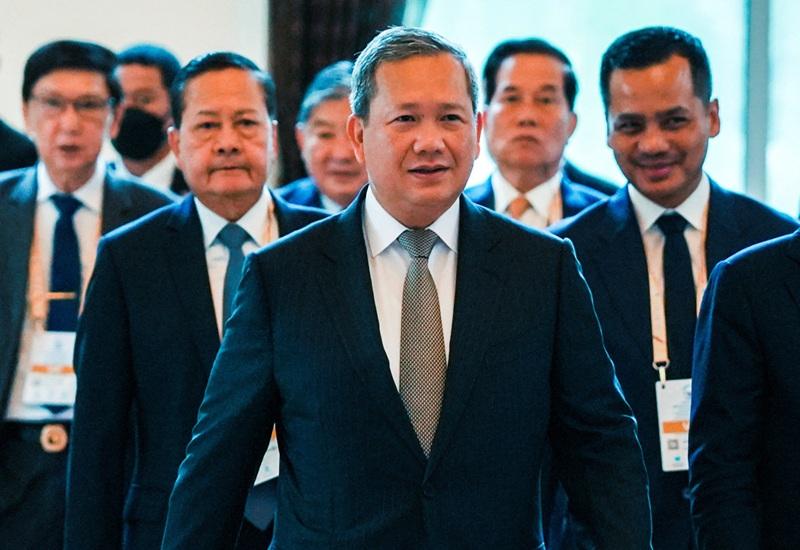
Phnom Penh, Cambodia – In a bold and determined stance against the ever-growing threat of cybercrime, Cambodia’s Prime Minister Hun Manet addressed a global audience at the opening of an international conference on cyberfraud this Wednesday. His message was clear: “Cambodia will never be a safe haven for online scams.”
Delegates from over a dozen countries—including major players like the United States and China—gathered to witness Cambodia’s commitment to tackling the rampant multibillion-dollar scam industry. With palpable conviction, the Prime Minister emphasized how these criminal syndicates pose a serious threat to the progress of Cambodia and the well-being of its 17 million citizens.
He passionately stated, “We will not allow these criminals to undermine our nation’s achievements.” As he spoke, it was evident that the stakes are high. The meeting serves not only as a showcase of Cambodia’s efforts but also as a rallying cry for increased international cooperation. Prime Minister Hun Manet underscored the importance of sharing real-time intelligence—because the fight against cybercrime is not one any country can face alone.
Cambodian authorities have claimed significant victories, asserting they have dismantled sprawling scam compounds. However, skepticism lingers. Some analysts question whether these raids have truly targeted the key players behind these operations, often leaving powerful figures seemingly untouched.
Delphine Schantz, the regional representative of the United Nations Office on Drugs and Crime, shared her perspective, noting a moment of hope: “This conference signifies a growing willingness to collaborate.” But she also emphasized, with urgency, that “more must be done.” The road ahead requires a collective effort to understand key trends and establish coherent regulatory frameworks. This means investing in the tools needed to gather digital evidence—a vital step in the evolving fight against cybercrime.
In recent years, Southeast Asian countries, including Cambodia, have unfortunately become hubs for transnational scams. Many of these operations are led by criminal gangs from China, who have set up elaborate compounds where trafficking victims are held captive and forced into scams—ranging from romance fraud to impersonating police officers.
Just days before the conference, journalists had the opportunity to tour some of these shuttered centers, discovering alarming realities: one place alone had housed as many as 20,000 workers. Police showcased materials seized during raids, including counterfeit FBI and Chinese police badges—tools of deception that painted a dark picture of the crisis at hand.
Under increasing pressure from nations such as the U.S.—which reported over $10 billion lost to scammers in just 2024—Cambodia has been active in its efforts, raiding hundreds of compounds and deporting countless individuals involved in these schemes. Yet, the actions have raised concerns. Critics claim that those with political connections have managed to evade prosecution, while criminal organizations have merely shifted tactics, fragmenting into smaller units and relocating their operations abroad.
Mu Sochua, an exiled opposition figure, articulated the underlying tension, stating, “The credibility of this crackdown will depend on whether Cambodia is willing to investigate credible allegations against all—regardless of their wealth or influence.”
As Cambodia continues to navigate this challenging landscape, the message is clear: the fight against cybercrime requires unity, determination, and unwavering transparency. The journey ahead may be daunting, but in this collective resolve, there lies a glimmer of hope for a safer digital future—for Cambodia and for the world.