
The world held its breath… and then, a signal of hope finally came.
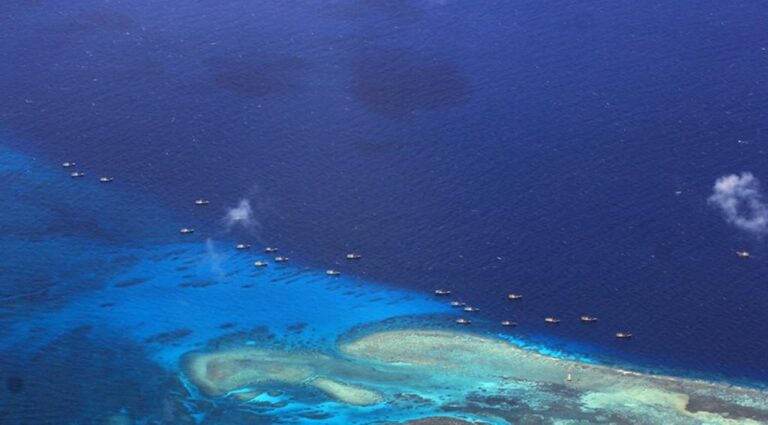
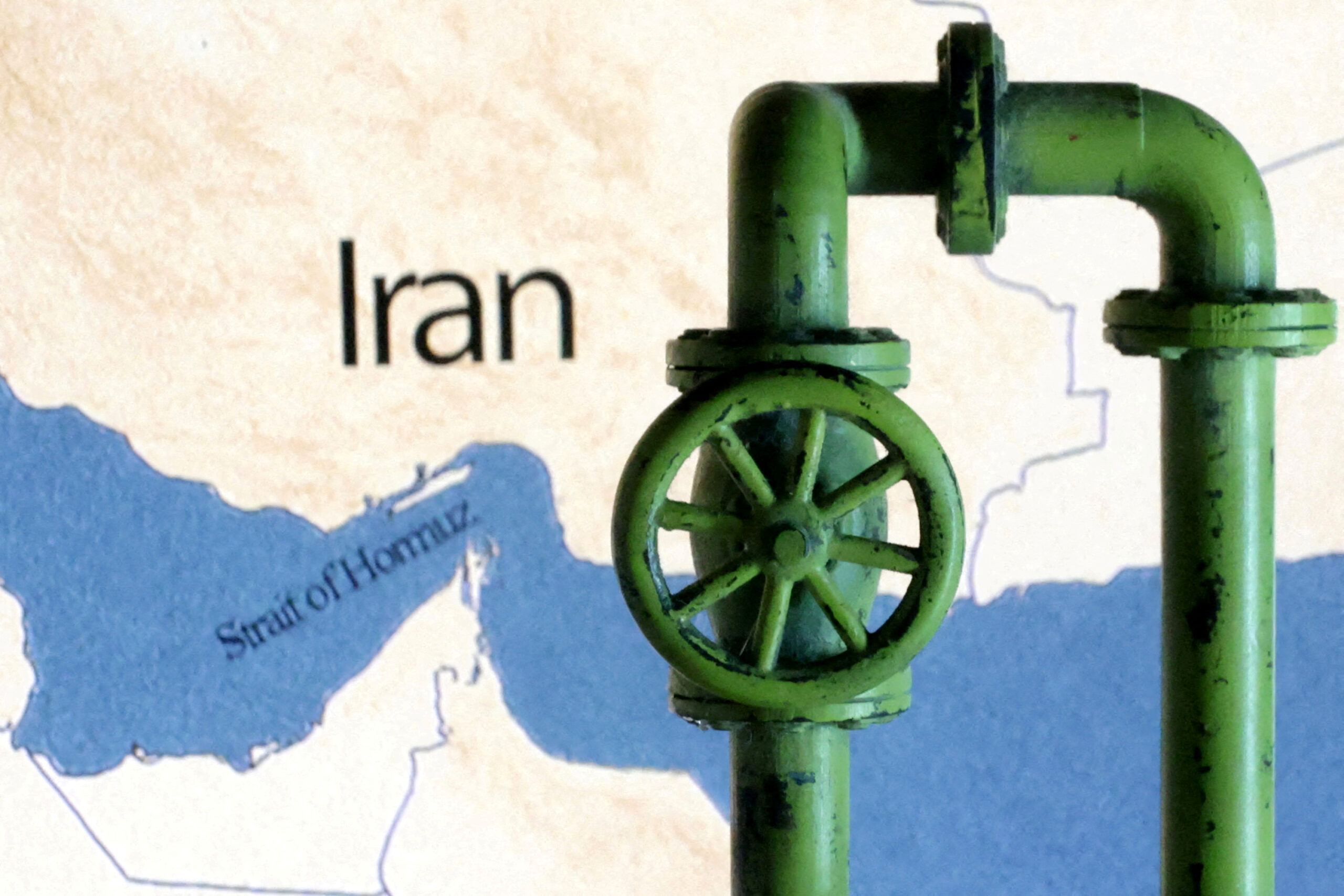
Iran has announced that the Strait of Hormuz—one of the most critical النفط routes on the planet—is open once again.
For weeks, tension had gripped global markets. Ships stalled. Oil prices surged. Fear spread fast.
Because when Hormuz closes… the world feels it.
This narrow stretch of water carries nearly a fifth of the world’s oil and gas. And when conflict shut it down, it wasn’t just a regional crisis—it became a global one.
Now, there’s movement.
Iran’s Foreign Minister Abbas Araqchi confirmed the reopening following a ceasefire deal in Lebanon. A fragile truce… brokered by the United States… giving the region a much-needed pause.
Commercial vessels can pass again—for now.
But the relief comes with caution.
Uncertainty still lingers in the waters. Shipping companies are hesitant. Questions remain about safety… about hidden risks like mines… about how stable this peace really is.
Even the U.S. Navy has warned that the threat isn’t fully understood.
And while the strait may be open… tensions are far from over.
In Washington, former President Donald Trump struck an optimistic tone. Talks, he said, could happen as soon as this weekend. A deal with Iran? Possibly “soon.”
It sounds promising.
But behind the scenes… it’s complicated.
The U.S. still maintains a blockade on ships heading to Iranian ports—at least until a final agreement is secured. Iran, in response, has warned it won’t stay silent if pressure continues.
It’s a delicate balance. One wrong move… and everything could shift again.
At the heart of the negotiations lies a deeper issue: Iran’s nuclear program.
The U.S. wants strict limits—even removal of enriched uranium. Iran wants sanctions lifted… and recognition of its rights.
Two sides. Two demands. One fragile path forward.
There are signs of progress—quiet talks, possible compromises, even discussions of unfreezing billions in Iranian assets.
But no deal yet.
Not just yet.
Meanwhile, the human cost of the conflict continues to echo.
Thousands have died. Entire regions shaken. And what began as strikes between nations quickly spread—pulling in Lebanon, Israel, and beyond.
Now, a ceasefire holds… barely.
And in that narrow space between tension and peace, the world watches closely.
Oil prices have already reacted—dropping sharply as hope returns. Markets are rising. Investors are breathing again.
But everyone knows this truth:
This is not over.
Not yet.
For now, ships may pass through Hormuz again…
—but the future of this fragile peace still hangs in the balance.