
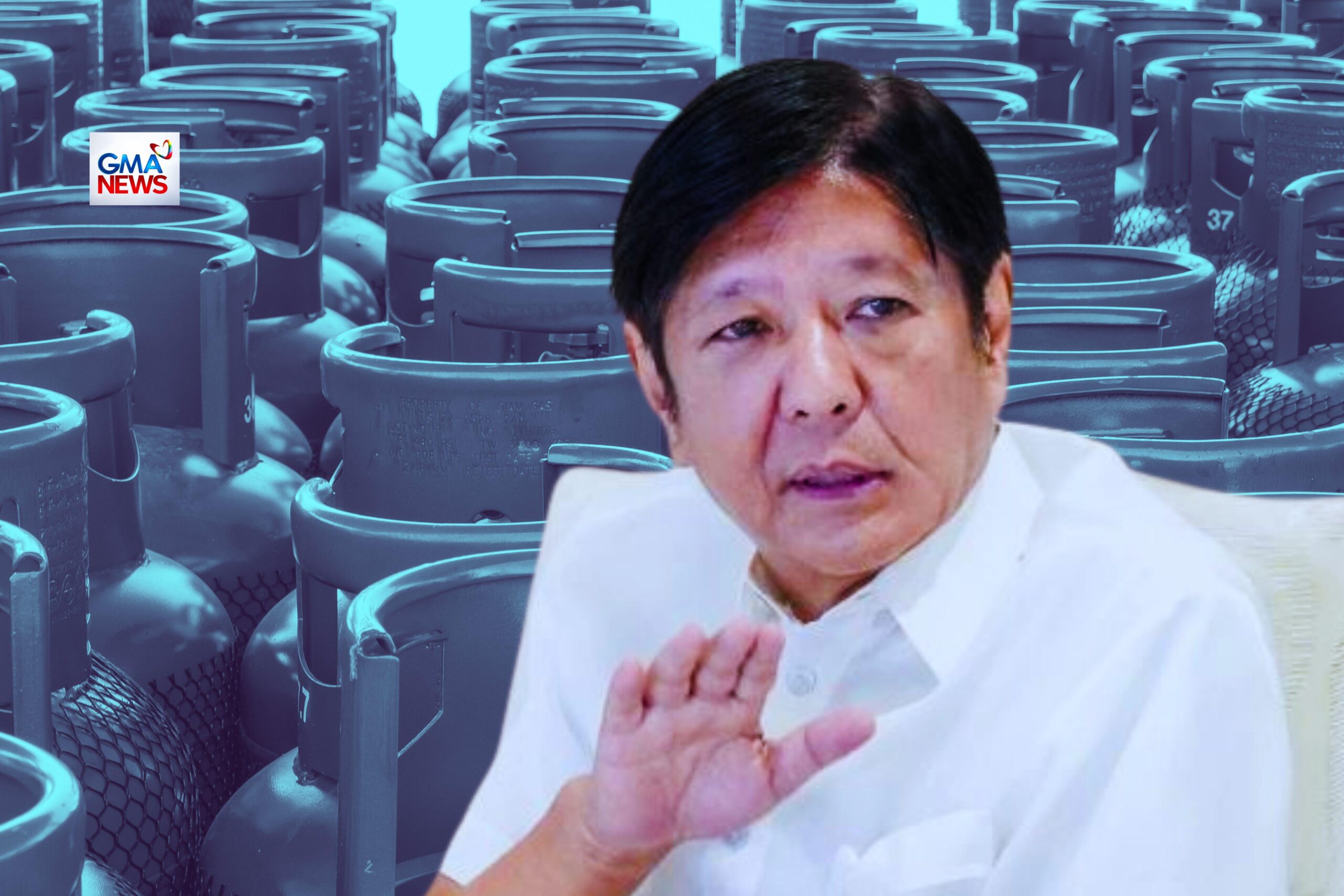
President Ferdinand “Bongbong” Marcos Jr. has taken a decisive step—one that could bring real, immediate relief to millions of Filipino households.
In a move that feels both urgent and necessary, he signed an executive order suspending the excise taxes on LPG and kerosene.
For families already stretched thin… this matters.
The order, known as Executive Order No. 114, puts the suspension in place for three months. But it doesn’t stop there. The government will review the situation every single month—watching closely, adjusting if needed.
So what does this really mean?
It means lower costs for everyday essentials. Cooking. Lighting. Daily survival.
Under the order, excise taxes on LPG are fully suspended—except when used in petrochemical production or as fuel for vehicles. The same goes for kerosene, unless it’s used as aviation fuel.
It’s a targeted move. Focused. Intentional.
But there’s a catch—this relief isn’t permanent.
The taxes will automatically return under two conditions:
If global oil prices ease—specifically, if Dubai crude drops below $80 per barrel for a sustained period… or
When the three-month window ends.
Whichever comes first.
This decision didn’t come out of nowhere.
On April 13, Marcos first announced the plan, pointing to the rising pressure on Filipino households. Global oil prices have been unpredictable—driven largely by ongoing tensions in the Middle East. And when fuel prices rise… everything else follows.
This is the government stepping in before things get worse.
The authority behind this move comes from Republic Act No. 12316, a law signed just weeks earlier on March 25. It grants the President emergency powers to suspend or reduce fuel taxes—based on recommendations from the Development Budget Coordination Committee, working closely with the Department of Energy.
In short: this was built for moments like this.
Before the suspension, taxes under the TRAIN Law added P3.00 per kilogram for LPG and P5.00 per liter for kerosene. Costs that quietly stacked up… day after day.
Now, there’s breathing room.
According to the Department of Finance, consumers could save around P36.96 per standard 11-kilogram LPG cylinder—and about P5.56 per liter of kerosene.
It may not seem massive at first glance. But for many families… it’s the difference between stretching a budget and breaking it.
For now, the message is clear:
Help is here.
But the clock is ticking.