
A Shift in Fate: Commuted Sentences for Two Filipinos on Death Row in California
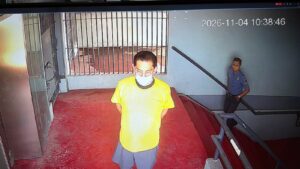
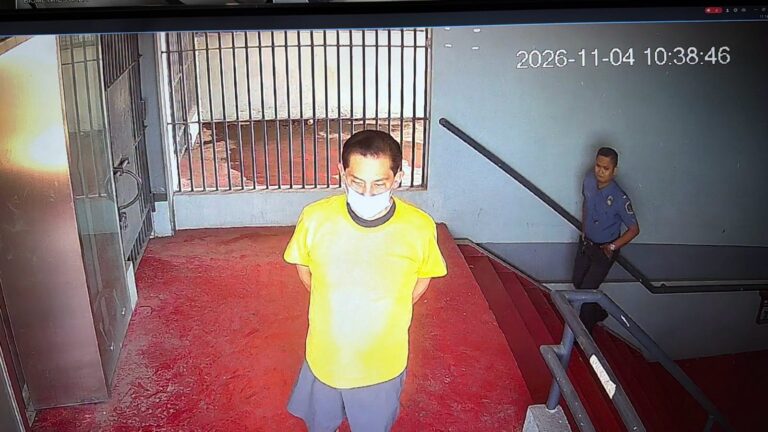
NEW YORK — In a significant turn of events, Governor Gavin Newsom has announced plans to commute the sentences of 548 individuals on death row in California to life imprisonment without the possibility of parole. Among those awaiting this life-altering decision are two Filipino men, Adel Sambrano Ramos and Sonny Enraca, each carrying their own heavy stories.
A Glimpse into Ramos’s Case
Adel Sambrano Ramos hails from San Nicolas, Ilocos Norte, in the Philippines. His journey took a dark turn on June 19, 2019, when tragedy struck. Sacramento police Officer Tara O’Sullivan—just 26 years old and fresh on the job—answered a call about a domestic disturbance on Redwood Avenue. She was there to help a woman escape a tumultuous situation, gathering her belongings when, suddenly, bullets began to fly.
In a horrifying moment, Ramos opened fire with a rifle. While the woman he was helping remained unharmed, O’Sullivan wasn’t as lucky. The relentless gunfire created chaos, forcing her fellow officers to wait nearly 45 excruciating minutes before they could reach her. Rushed to UC Davis Medical Center, O’Sullivan succumbed to her injuries.
After an agonizing eight-hour standoff, Ramos surrendered. His path led him to plead guilty to murder in August 2024. A jury’s decision on his punishment was initially stalled as they deadlocked, but in March 2025, a second jury handed down a death sentence. On June 27, 2025, a Sacramento County judge formally imposed that sentence. During the trial, Ramos’s brother took the stand, sharing poignant memories of their childhood home in the Philippines—a reflection of what could have been amid despair.
Enraca’s Story Unfolds
Sonny Enraca’s journey echoes a different, yet similarly tragic narrative. On July 23, 1999, in Riverside County, he received a death sentence for the first-degree murders of Ignacio Hernandez and Dedrick Gobert. The horrific incident took place in a pizza parlor parking lot after a night of street racing in November 1994.
Caught in the heat of a fight, Enraca fired his weapon, claiming he believed the men were about to shoot him. In that fateful moment, he not only became a murderer but also left an indelible scar on Jenny Hyon, who was shot and left paralyzed from the chest down. Despite his defense urging self-defense, the jury found him guilty, and the California Supreme Court upheld his convictions and death sentence in February 2012.
Enraca’s roots trace back to the Philippines, where he was raised until the age of eight. By the time of his arrest, he held a U.S. green card, a bittersweet symbol of opportunity amid turmoil.
A New Chapter
Governor Newsom imposed a moratorium on executions back in 2019, with California last carrying out an execution in 2006. If the proposed commutations are finalized, both Ramos and Enraca will face life behind bars, their convictions intact but their fate significantly altered. A portion of these commutations requires approval from the California Supreme Court, particularly for those with multiple felony convictions—382 cases, marked by asterisks on the governor’s official list.
As time unfolds, Ramos and Enraca stand at a crossroads, their lives reflecting deep complexities woven into the fabric of justice and humanity. In a world filled with choices and consequences, this moment could be their chance for reflection, redemption, and perhaps, a new beginning.