
Empowering Women: A Call for Leadership in ASEAN’s Future
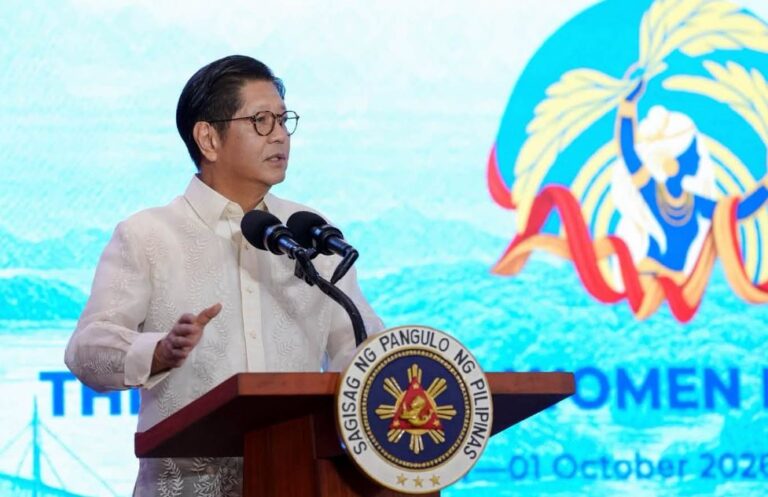
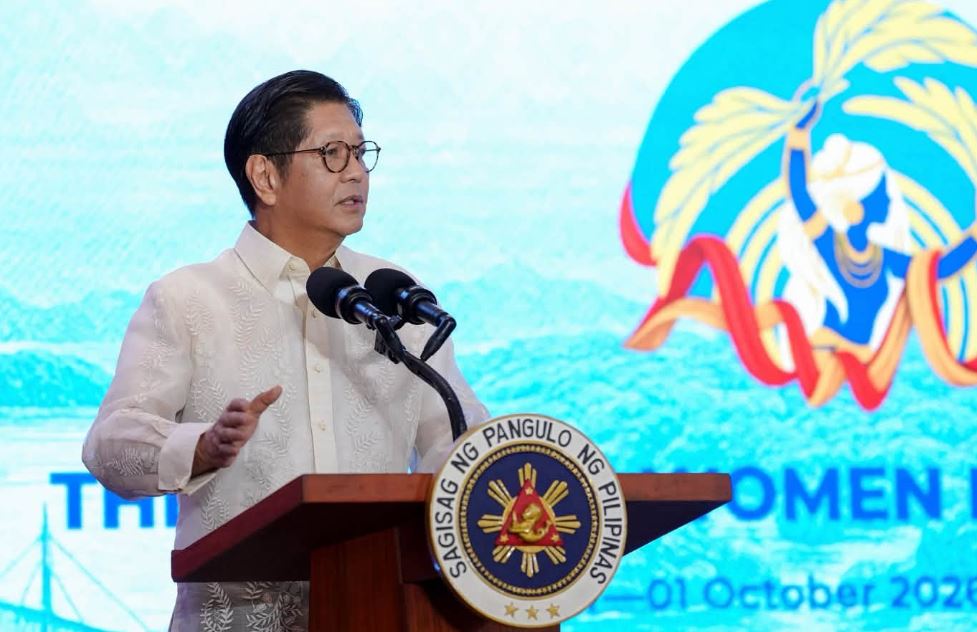
On a bright Tuesday afternoon, President Ferdinand Marcos Jr. stood before an audience at the 4th ASEAN Women Leaders’ Summit and delivered a heartfelt message that resonated deeply. He emphasized the essential role of women’s leadership and representation in shaping the future of Southeast Asia, particularly in driving both the economy and innovation.
“Women are the backbone of our families and communities,” he said, his voice filled with conviction. “For far too long, their contributions have been undervalued.” The President painted a powerful picture: women have nurtured and sustained our societies, yet they remain underrepresented in cabinets and parliaments across ASEAN member states.
He called for a change. “Women are not merely beneficiaries of progress; they are leaders and innovators. Their insights are crucial in shaping ASEAN’s trajectory.” President Marcos insisted that it’s time for societies to recognize the invaluable contributions women make—not just as supporters, but as pivotal change-makers.
Marcos didn’t shy away from acknowledging the gaps that exist. “The underrepresentation of women in national and regional discussions is more than just a numbers game—it’s a critical loss of perspective when it comes to making important policy decisions.” He urged women to stand firm in their roles, to never waver in their pursuit of leadership and influence.
“To our women leaders in governance, civil society, business, and technology, keep pushing forward!” The President’s tone was passionate, rallying women to persistently advocate for their rightful place at the table. “Let us build an ASEAN where equality is not merely a goal, but a reality for every woman and child.”
He also touched upon the ASEAN Women, Peace, and Security Agenda, highlighting that having women involved in decision-making leads to more sustainable and inclusive peace agreements. This issue isn’t just about representation; it’s about the strength and resilience that women bring to the table, especially in times of rebuilding.
As the conversation progressed, Marcos shifted focus to the care economy—a sector often overlooked. “Unpaid care work disproportionately falls on women, limiting their opportunities in the workforce,” he explained. “By investing in care infrastructure and addressing care responsibilities, we’re not only supporting women. We’re unlocking billions of dollars in economic potential across our region.”
His words were not just a call to action; they were a vision for a brighter and more equitable future. The Philippines currently holds the ASEAN Chairmanship, and with crucial summits on the horizon, the time to act is now.
In essence, President Marcos Jr. reminded everyone that the fight for women’s empowerment isn’t just a personal journey. It’s a collective effort that can shape the fabric of ASEAN—a region rich with potential, waiting to be unlocked by the diverse voices and experiences of women.
As he concluded, the audience was left with a resonating sentiment: together, we can pave the way for a future where every woman and child can thrive, and where their contributions are valued as they should be.