


Asia’s Crops Struggle Amid Dry Weather and Looming El Niño
SINGAPORE — A relentless dry spell is casting a shadow over crop planting across Asia, stirring fears about food supplies in this densely populated part of the world. As a severe El Niño weather pattern looms on the horizon, experts warn of even greater challenges ahead.
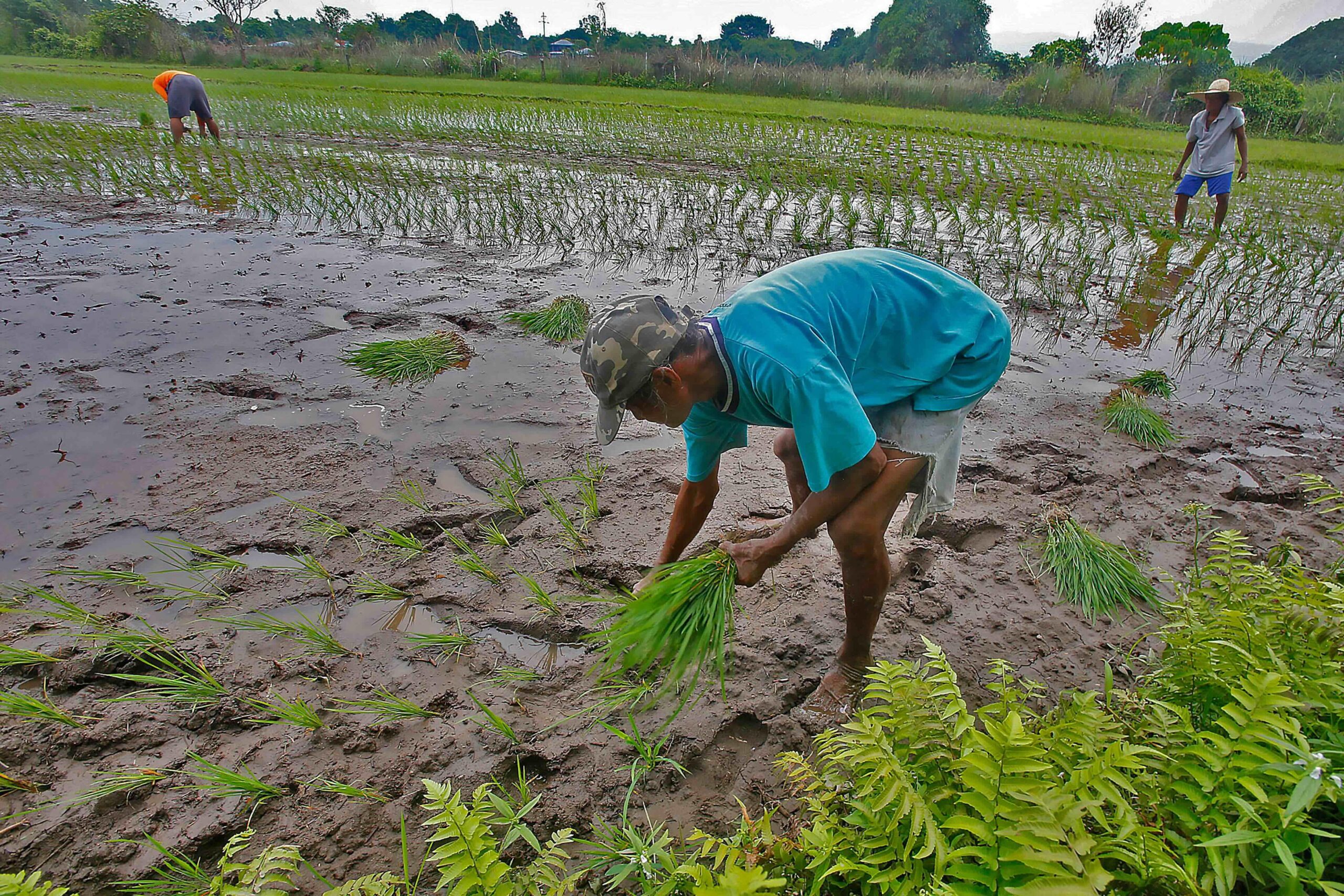
From the sprawling grain fields of India to the lush wheat belts of Australia, and across the rice fields of Thailand to the vast palm oil plantations of Indonesia, farmers are grappling with scorching temperatures and below-average rainfall. This relentless heat has forced many to reconsider their planting strategies, creating a ripple effect in the agricultural sector.
A Double Whammy for Farmers
El Niño isn’t just a passing concern; it brings what can feel like a double-edged sword for farmers already struggling with shortages of vital supplies like fertilizer and diesel, a challenge that has become even more pressing in the wake of the conflict in Iran. Wheat prices have surged by about 20% since the start of 2026, fueled by worries over drought impacting critical growing regions in the U.S. Meanwhile, rice prices at major exporters in Southeast Asia have climbed roughly 15% in just the past month, as the costs of production rise and supply fears deepen.
“The strongest El Niño we’ve seen is expected to develop in the later part of 2026,” says Chris Hyde, a meteorologist with SkyFi, specializing in satellite data. “The impact starts here in Southeast Asia and India, affecting not just us but rippling downstream into North and South America.”
Hyde notes that worrying signs of drought are already becoming apparent across parts of Asia, as revealed by high-resolution imagery.
Agonizing Effects on Indian Agriculture
In India, fresh forecasts reveal declining expectations for the four-month monsoon season – a period crucial for agriculture as it brings 70% of the country’s annual rainfall. “Conditions right now aren’t looking good for timely sowing of summer crops,” laments one New Delhi-based dealer. “With temperatures soaring across the nation and with the monsoon delayed, we are left in suspense. Will there be enough rain to sustain the crops?”
In India, this season is vital for growing rice, soybeans, pulses, sugarcane, and corn. With the monsoon forecast less than favorable, many farmers are left anxiously waiting and hoping for rain.
Southeast Asia Holds Its Breath
Meanwhile, in central Thailand, farmer Nerawat Oramah shares his fears about the uncertain climate. “Everyone is worried. We can only watch and wait,” he says, anxiously assessing the situation for his second harvest. “If the water runs dry, we may only have a single harvest this year.”
Thailand and the Philippines are preparing to plant their main rice crops in June and July, while neighboring Vietnam and Indonesia are currently in the midst of their second-season sowing. Yet, in Indonesia’s populous Java island, some regions have seen no rain for over ten days, raising alarm bells among farmers.
Prices on the Rise
Despite India having ample rice supplies after a series of bountiful harvests, prices continue to climb due to underlying fears. “It’s concerning to see rice prices shoot up without an actual shortage,” remarks a trader based in Singapore. As prices for Thai rice rise, many wonder if India might impose export restrictions if the monsoon doesn’t deliver as needed.
Yet, within the waves of concern, there’s a glimmer of hope. According to KKP Research in Thailand, if drought conditions do arise, strong reservoir levels might cushion some impacts. However, fertilizer shortages remain a stark worry. “We’re estimating that any shortage could reduce rice production by 15-20% in the worst-case scenario,” a note from the bank reads.
Eyes on Australia
In Australia, a recent downpour has enabled some late wheat sowing, but farmers remain cautious. John Lowe, a farmer from central New South Wales, reflects, “Even with the recent rain, we’re working with a cropping area that is 30% smaller than it could have been.” With predictions indicating reduced rainfall in the upcoming months, the specter of El Niño looms large over the land.
For now, as Asia watches and waits, there remains a unified hope that enough rain will come to nurture crops and fill plates – because when the weather shifts, it’s the farmers and families who feel the impact most deeply.