
A Call for Vigilance: Claire Castro’s Plea to Civil Society on the National Budget
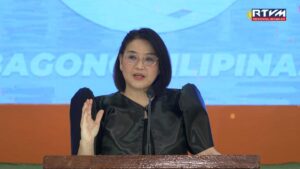
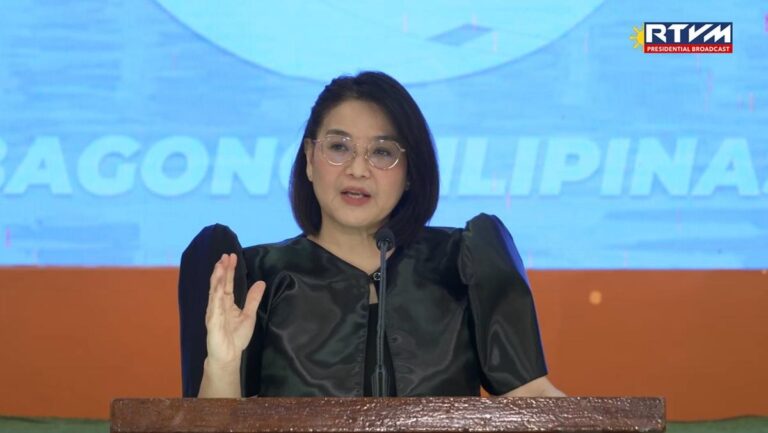
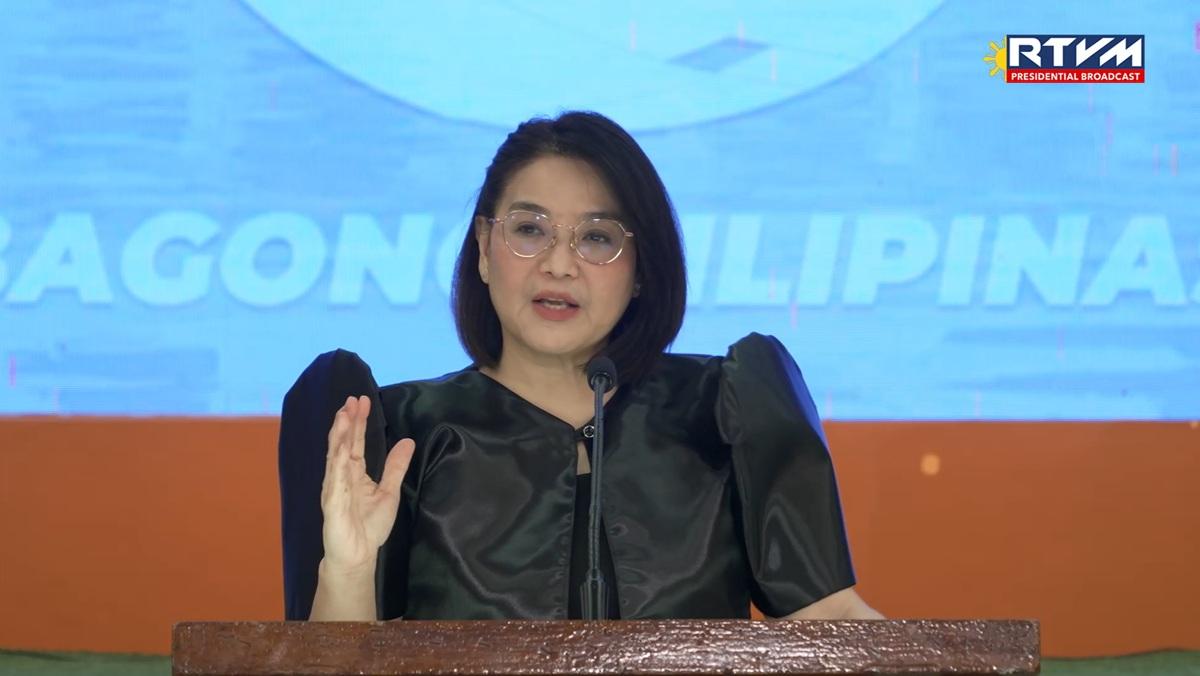
In an urgent briefing on Tuesday, Palace Press Officer Undersecretary Claire Castro reached out to civil society organizations (CSOs), emphasizing the crucial role they play in overseeing the proposed national budget for 2027. With the stakes higher than ever, she urged these organizations to raise any “red flags” they might notice—because every observation counts in shaping our future.
“To all those keeping an eye on the budget—if you see anything concerning, just let us know,” Castro expressed passionately. “Share your findings with the Presidential Communications Office. This is vital for President Ferdinand Marcos Jr. as he prepares to review the budget before signing it.”
A Collaborative Approach
Castro’s call for vigilance wasn’t simply a formality; it was an emotional appeal for collaboration. She made it clear that Malacañang is open to meeting with CSOs to further assess the 2027 national budget, fostering a spirit of partnership. This openness signifies a commitment to transparency—which resonates deeply when such critical issues are at stake.
Concerns from the People’s Budget Coalition
Echoing Castro’s sentiments, the People’s Budget Coalition (PBC) raised concerns about the proposed P7.2 trillion budget. Co-convenor AJ Montesa highlighted alarming figures: P210 billion categorized as “soft pork,” which symbolizes patronage-driven financial assistance; P695 billion identified as “hard pork,” primarily linked to politicized infrastructure projects; and P112 billion labeled “shadow pork,” referring to unprogrammed appropriations. These issues underscore the need for accountability.
Safeguarding Public Funds
Amidst this backdrop, Castro remained firm in assuring the public that the President is committed to upholding integrity in the budgeting process. “The projects included in the proposed budget should not be reduced,” she stressed, carrying the weight of responsibility in her words. “Reducing funds could halt projects that are crucial for the administration of President Marcos Jr.”
Her insistence on maintaining the budget showcases the impact of sound financial decisions—ones that could shape the lives of countless Filipinos.
Moreover, she issued a strong warning to government officials against making unauthorized insertions in the budget. “Public funds should not be abused. They belong to the people, not to anyone’s pockets,” she declared with conviction.
A Stance Against Amendments
In a decisive tone, Castro emphasized that the President would not support any budget amendments lacking sufficient documentation or clear project outcomes. “The President will not permit that,” she asserted, a clarion call against any attempts to undermine the public trust.
As Senate Finance Committee chairperson JV Ejercito announced intentions to invite CSOs to observe deliberations on the budget, the majority bloc is rallying behind efforts to eliminate questionable allocations. This movement aims to ensure transparency and integrity in the budget-making process.
A Path Forward
As we stand on the brink of pivotal financial decisions, Claire Castro’s heartfelt plea resonates louder than ever. The collective responsibility to safeguard public funds—and the future—is in our hands. By staying vigilant and engaged, civil society organizations can play a crucial role in shaping a budget that serves the people.
With every voice raised and every red flag reported, we move closer to ensuring that our national budget is not just a number, but a reflection of our shared hopes and dreams. Let us all take that call to action seriously, for together, we can make a difference.