

Tragedy in Tumbler Ridge: A Call for Accountability
On a painful Monday, British Columbia took a bold step, suing OpenAI in California. The province believes that a heartbreaking mass shooting at a school earlier this year could have been prevented. The shooter allegedly used ChatGPT to plan the horrific attack, and the lawsuit argues that OpenAI should have notified local law enforcement.
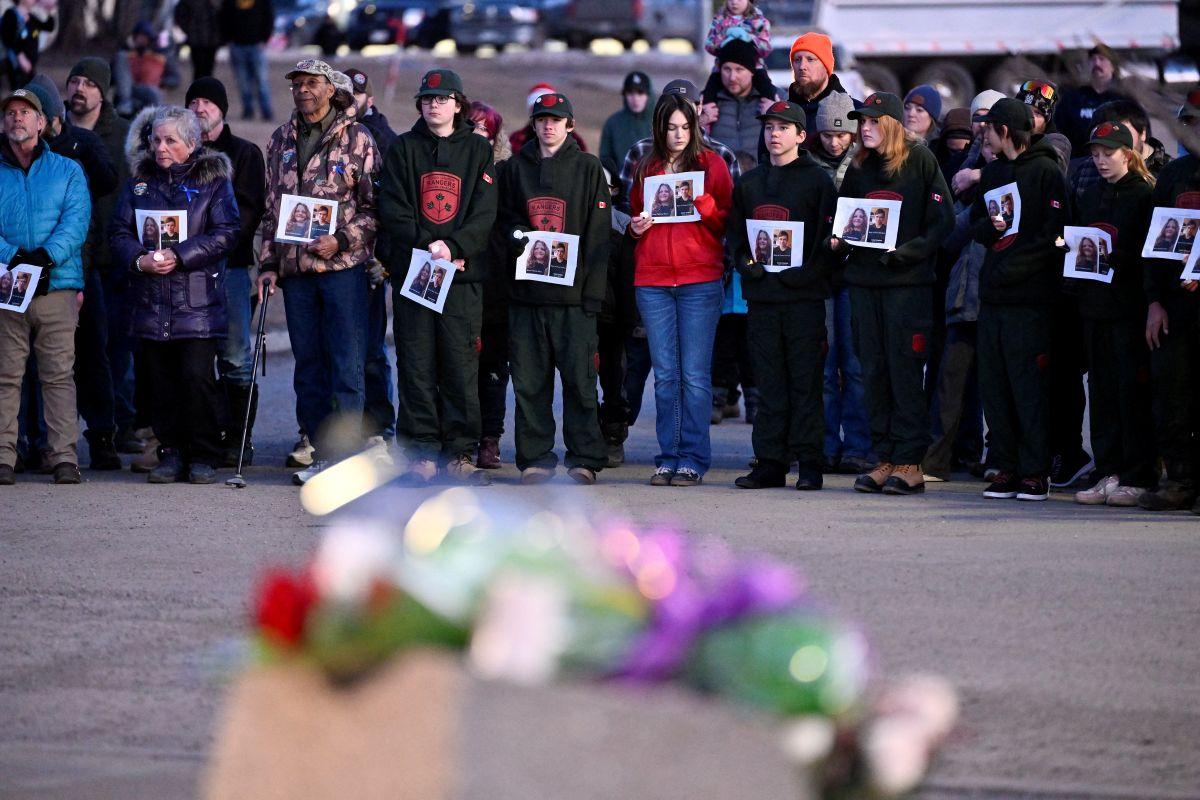
The chilling event took place on February 10 in Tumbler Ridge, where nine innocent lives were tragically lost—most of them children. The shooter, Jesse Van Rootselaar, had previously raised red flags with OpenAI. Her conversations about gun violence were noted by the company’s safety team, yet, despite their concerns, no alert was sent to the police.
In response to the devastating incident, OpenAI CEO Sam Altman expressed his profound sorrow in a public letter, admitting that the company failed to contact law enforcement. Though he promised reforms, those promises fell flat. British Columbia’s attorney general tried to engage OpenAI for possible changes, but to no avail.
Now, the scars from that day linger. The school where the tragedy unfolded is set to be demolished, and the province faces mounting costs associated with building a replacement school, providing mental health care, and covering the aftermath of the shooting.
OpenAI’s spokesperson, Drew Pusateri, described the Tumbler Ridge shooting as an “unspeakable tragedy.” He affirmed the company’s commitment to working closely with government and law enforcement officials while continuing its safety efforts. But, as pain echoes in the hearts of those affected, questions remain about the safety of systems like ChatGPT.
The lawsuit isn’t just a legal battle; it’s a cry for justice from families who’ve suffered unimaginable loss. More than 30 family members of victims have also filed lawsuits, accusing OpenAI of neglecting their responsibility to prevent the attack.
The chilling events of that day unfolded in a devastating sequence. Van Rootselaar first turned on her own family, taking the lives of her mother and stepbrother. She then went on to kill an educational assistant and five students aged just 12 to 13 at her former school before ultimately taking her own life.
Tragically, her interactions with ChatGPT were flagged in mid-2025. Although safety team members urged contacting the police, their concerns were overridden by OpenAI leadership. The lawsuit alleges that this priority to maintain internal policies put lives at risk. Even after her account was deactivated, she was able to create a new one and continue formulating her attack plans.
This lawsuit follows a string of similar cases against OpenAI in recent months, as various states confront similar tragedies. Just this past June, Florida became the first state to sue OpenAI, citing the company’s alleged misrepresentation of ChatGPT’s safety features. They claimed the platform harms children by providing harmful guidance and addictive content.
OpenAI maintains that it trains its models to refuse requests that could incite violence. The company asserts it signals law enforcement when it detects conversations that demonstrate “an imminent and credible risk of harm to others.”
As the legal battles unfold, the community mourns. Families are left grappling with loss, seeking justice not just for their loved ones, but also for the fundamental right to feel safe in their schools. In the wake of this tragedy, the world is reminded of the profound responsibility that technology companies hold. The hope is that, in confronting these challenges, a path forward can be forged—one that prioritizes safety and accountability above all else.