


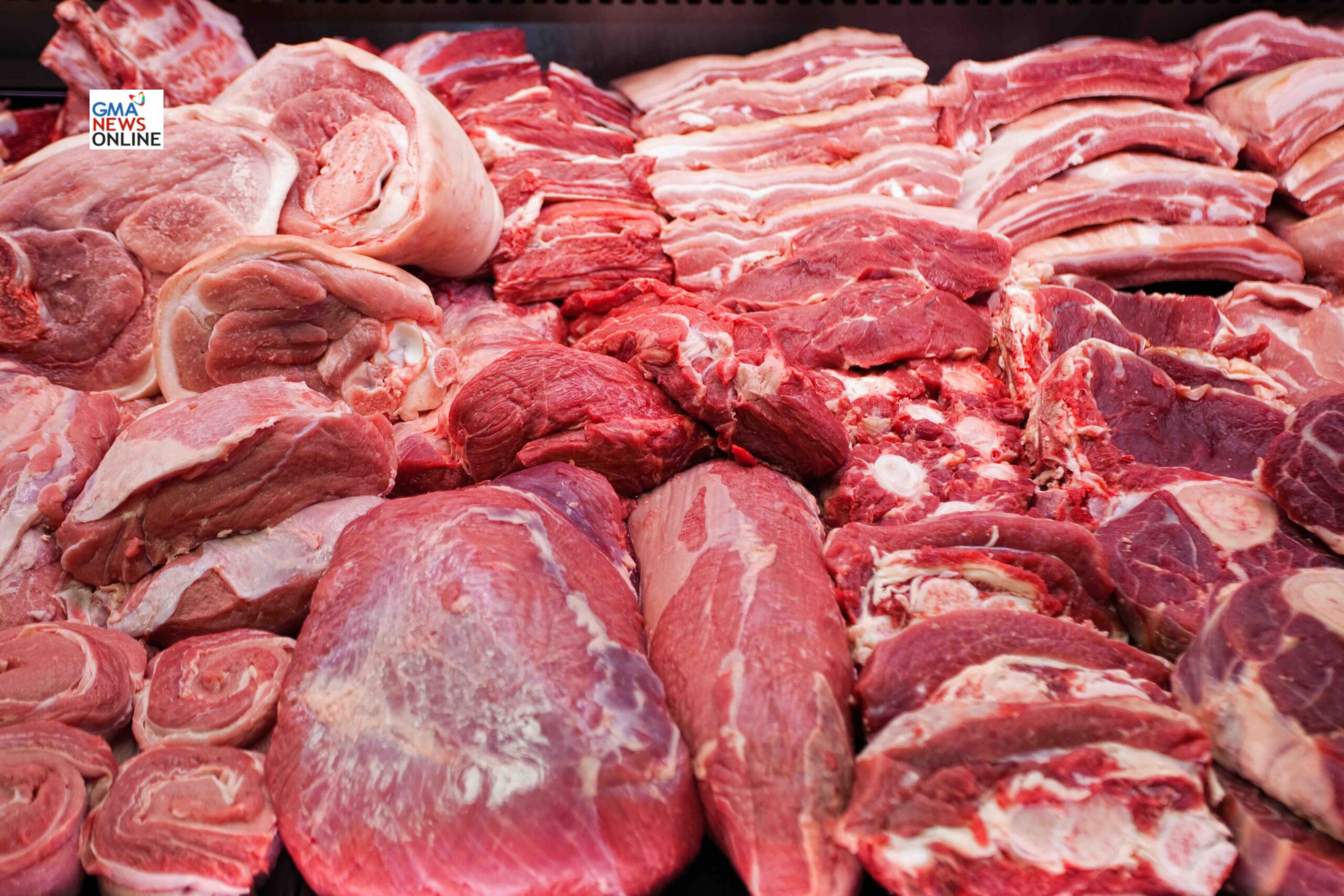
Call to Protect Local Farmers: A Plea from SINAG
On a recent Sunday, a major agricultural group, the Samahang Industriya ng Agricultura (SINAG), shared a heartfelt message that echoed through social media. They’re calling for an important change: the repeal of President Ferdinand Marcos Jr.’s directive which dramatically increased the minimum access volume (MAV) for pork this year.
This increase is staggering—a nearly fourfold jump, raising the MAV from 54,210 metric tons to a daunting 204,210 metric tons. For many, including SINAG’s executive director, this move threatens to devastate the local hog farming industry.
In an emotional appeal, Cainglet, the executive director, emphasized, “Sobra sobra ang suplay ng baboy! Pinapatay ng bumabahang murang pork imports ang industriya ng pagbababoy!” In English, this translates to “There is an excess in the supply of pork… The cheap pork imports will kill the hog industry.” His words reflect deep concern for local farmers and the livelihoods they represent.
The backdrop for this outcry? An executive order that cites the African Swine Fever as the reason for a significant reduction in the national swine inventory. This situation has created a substantial gap in supply, leading to rising pork prices for consumers. But here’s the twist: Cainglet points out, backed by data from the Philippine Statistics Authority (PSA), that pork prices aren’t among the top five contributors to inflation.
This raises questions about the basis for the executive order. Cainglet argues that the authority to set the MAV belongs to Congress, not the executive branch. He calls on everyone to consider a simple yet powerful action: choose fresh, clean, and locally sourced pork. By doing so, Filipinos can help breathe life back into the local hog industry.
This isn’t just about pork; it’s about standing up for local farmers, who work tirelessly to feed their communities. The passion and commitment of advocates like Cainglet serve as a reminder of the importance of supporting local agriculture. So let’s all make a conscious effort—next time you shop, think local. Together, we can protect not just an industry, but the heart of our communities.