


There’s something quietly shifting in the financial world today.
Numbers moved.
Currencies adjusted.
And behind it all—real impact on everyday lives.
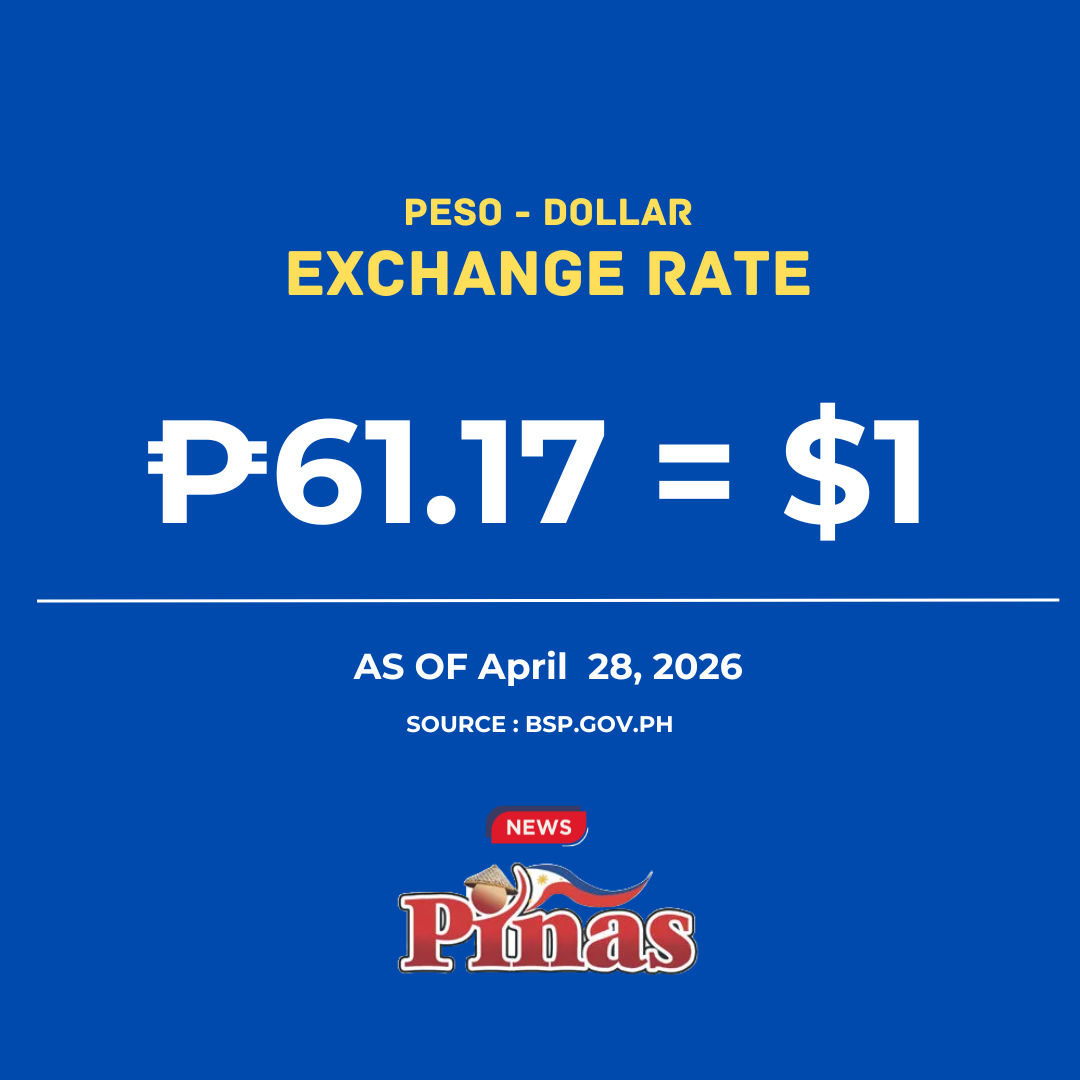
As of April 28, 2026, the Philippine peso stands at:
₱60.68 against the US dollar.
At first glance, it’s just a number.
But look closer… and it tells a bigger story.
The Dollar Leads—And the Peso Feels It
The US dollar remains strong.
And when the dollar rises, the peso feels the pressure.
At ₱60.68 per $1, imports become more expensive, travel costs rise, and overseas remittances stretch further.
For many Filipino families, that matters.
A lot.
How the Peso Compares to the World’s Top Currencies
Let’s break it down simply—how much is ₱1 worth globally?
Or more importantly…
How much do Filipinos pay when dealing with other currencies?
Top Strong Currencies vs PHP
- British Pound (GBP) – ₱82.17
Still one of the strongest. The gap is wide—and noticeable. - Euro (EUR) – ₱71.13
Europe’s currency remains steady, keeping the peso behind. - Swiss Franc (CHF) – ₱77.35
A safe-haven currency, and significantly stronger than PHP.
Dollar-Based Economies
- US Dollar (USD) – ₱60.68
- Singapore Dollar (SGD) – ₱47.64
- Canadian Dollar (CAD) – ₱44.54
- Australian Dollar (AUD) – ₱43.60
These currencies shape global trade—and the peso continues to trail behind.
Middle East Currencies (Key for OFWs)
- Bahrain Dinar (BHD) – ₱160.94
Extremely strong—one of the highest conversions. - UAE Dirham (AED) – ₱16.53
- Saudi Riyal (SAR) – ₱16.18
For OFWs, this means remittances go further when sent home.
A small comfort… for a big sacrifice.
Asian Neighbors
- Chinese Yuan (CNY) – ₱8.88
- Hong Kong Dollar (HKD) – ₱7.74
- Thai Baht (THB) – ₱1.88
- Japanese Yen (JPY) – ₱0.38
- Korean Won (KRW) – ₱0.041
Here, the peso sits somewhere in the middle—stronger than some, weaker than others.
A balancing act.
Emerging Market Currencies
- Indian Rupee (INR) – ₱0.64
- Indonesian Rupiah (IDR) – ₱0.0035
- Brazilian Real (BRL) – ₱12.17
- South African Rand (ZAR) – ₱3.67
These currencies reflect developing economies—much like the Philippines.
And the competition is close.
What This Means for Filipinos
These numbers aren’t just for traders or economists.
They affect:
- The price of imported goods
- The value of remittances
- Travel and education abroad
- Even online purchases
When the peso weakens…
Life gets a little more expensive.
A Quiet Reality
The BSP reference rate sits at ₱60.70, with market closing at ₱60.71 just a day earlier.
Stable?
Maybe.
But still under pressure.
The Bigger Picture
Currencies rise and fall every day.
But behind every movement is a real story—
A family budgeting harder…
An OFW sending money home…
A traveler rethinking plans…
And today, April 28, 2026, tells us one thing clearly:
The peso is holding on… but the world is moving fast.