


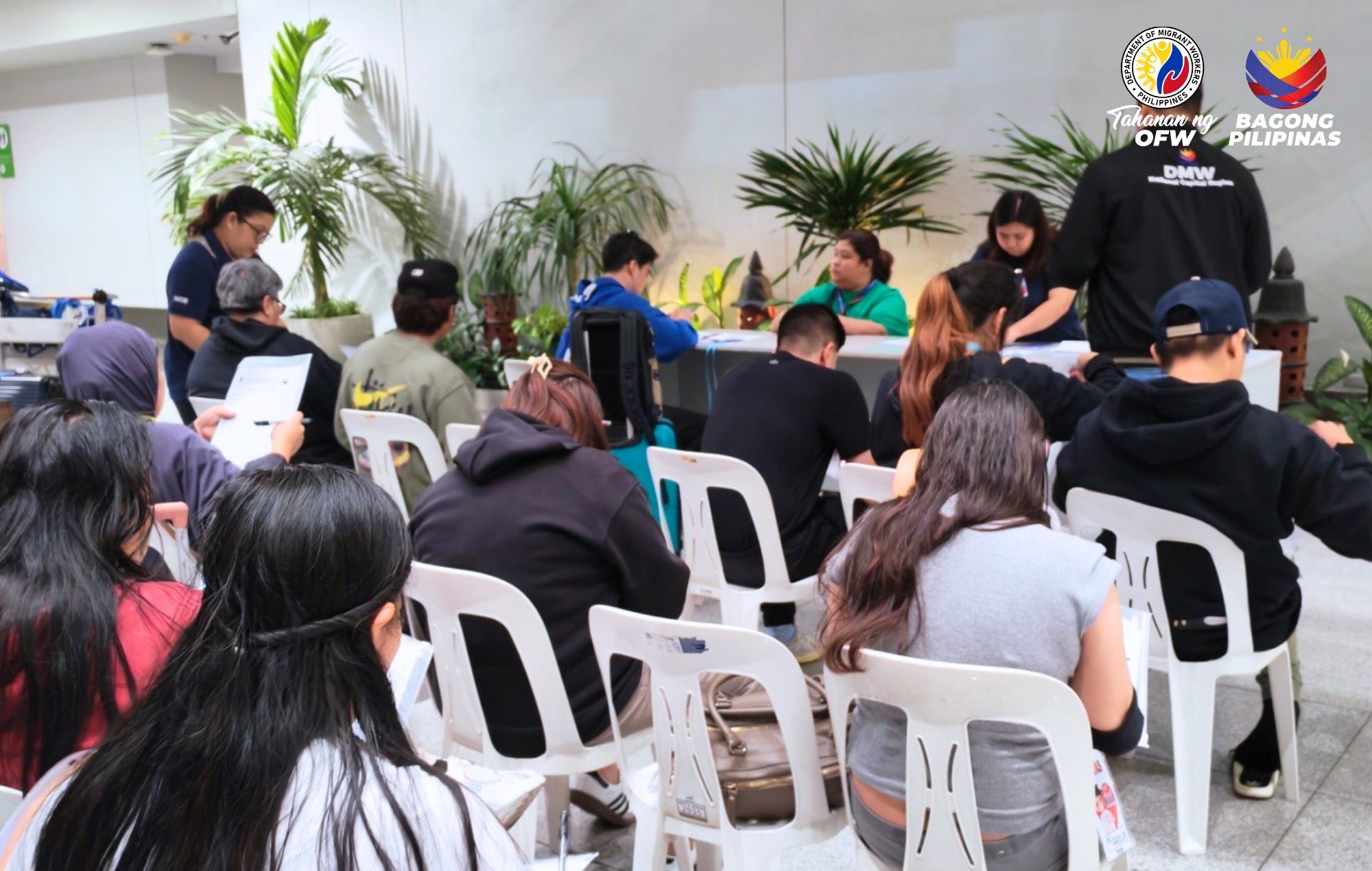
The terminal lights at NAIA 3 felt a little brighter on Sunday night.
Amid the escalating tension and the growing uncertainty of the Middle East conflict, 14 of our kababayans finally stepped onto Philippine soil. They didn’t just bring luggage; they brought stories of a difficult choice: stay in the line of fire, or leave everything behind for safety.
A Shelter in the Storm
The Department of Migrant Workers (DMW) was there to meet them. Because “home” isn’t just a location—it’s the help you receive when you have nothing left.
As soon as they landed, these 14 returnees were wrapped in a safety net of:
-
Immediate financial and medical aid
-
Warm meals and comfortable transportation
-
Temporary shelter for those with nowhere else to go
One returnee put it simply: the impact of the conflict became too much to bear. When the world outside your window feels like it’s fracturing, the only place you want to be is where you started.
The Growing Numbers
These 14 are not alone. Since the situation escalated, the DMW has processed a staggering 1,341 OFWs and 413 family members.
Just this weekend, the arrivals came in waves:
-
Saturday: 123 Filipinos from the UAE arrived in two batches.
-
Saturday: 22 more from Israel—caregivers and hotel workers—landed via commercial flights.
More Than Just a Plane Ticket
Coming home from a war zone isn’t just a physical journey; it’s a mental one.
That’s why the homecoming included more than just cash. The Department of Health provided psychosocial support to help process the trauma, while the DTI and DOLE offered seminars to help them build a new life here.
They aren’t just “returnees.” They are survivors being given the tools to start over.