


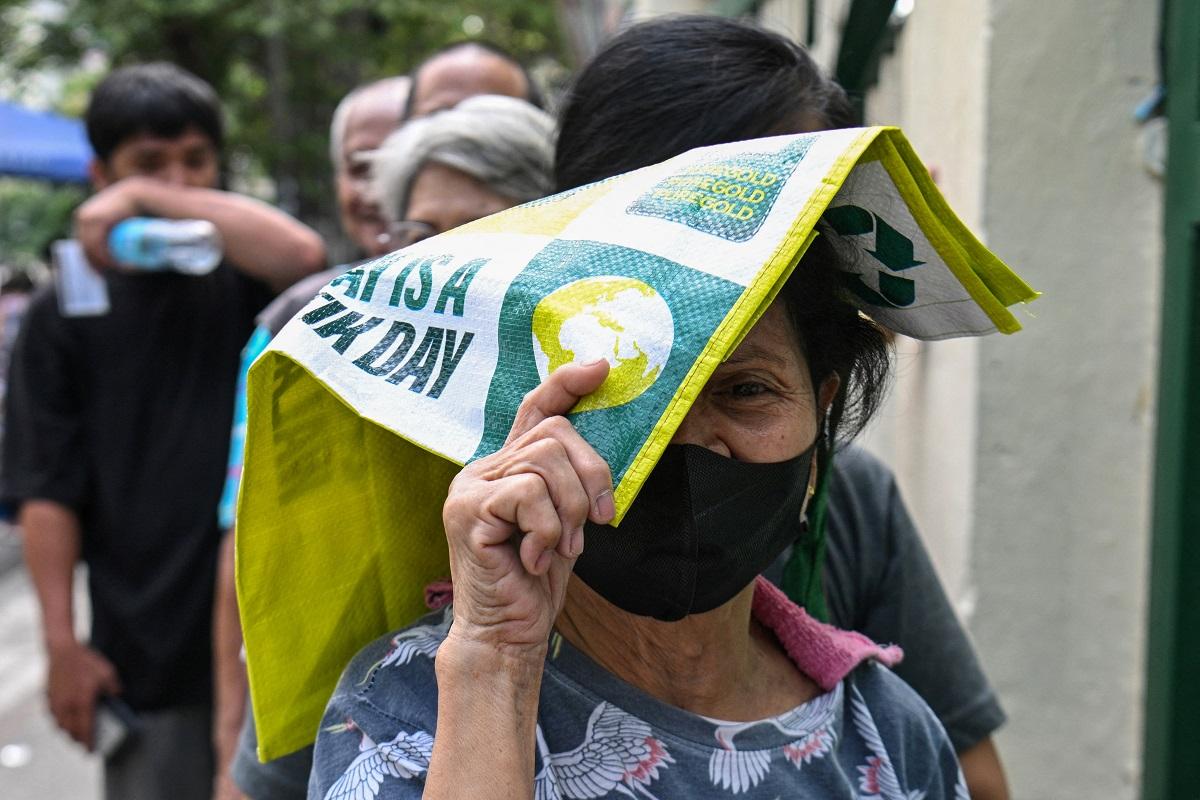
The Philippines: A Rising Tiger Facing Economic Trials
In 2013, the World Bank proclaimed the Philippines as a “rising tiger.” This label celebrated the country’s robust economic growth and macroeconomic stability, igniting hope for a bright future. Fast forward more than a decade, and the narrative has taken a more complex turn.
A Shifting Landscape
Recent global events, particularly conflicts in the Middle East, combined with domestic issues like the flood control corruption scandal, have cast shadows over the nation’s progress. The economy is cooling, now reflecting the slowest growth since the chaos of the COVID-19 pandemic lockdowns. Inflation is soaring, reaching a tipping point not seen in three years. Economists warn that these conditions are warning signs of stagflation—a blend of stagnation and inflation that could threaten households.
What is Stagflation?
Stagflation is described by the World Economic Forum as a scenario where slow economic growth and rising inflation coexist, resulting in higher joblessness and strained income levels. It’s a precarious dance: normally, weak growth leads to lower inflation as spending declines. But stagflation disrupts this rhythm, leaving policymakers grappling with the challenge of curbing inflation while also nurturing economic growth.
The Current State of the Philippine Economy
The latest data paints a concerning picture. The gross domestic product (GDP) growth rate dipped to levels that haven’t been seen since the difficult days of early 2021. Arsenio Balisacan, the Secretary of the Department of Economy, Planning, and Development, underscored that the sluggish growth reflects both global and domestic hurdles.
Adjusting Expectations
Echoing this sentiment, the Development Budget Coordination Committee (DBCC) had previously set a growth target of 5.0% to 6.0%. However, recent cuts from international agencies revealed a more somber outlook. The Asian Development Bank, International Monetary Fund, and the World Bank have all revised their projections downwards, indicating the Philippines may struggle to meet its targets—making it the fourth consecutive year of disappointing growth.
The Impact of Rising Prices
Inflation is a pressing concern, now climbing to levels that exceed expectations. Consumer prices are rising faster than ever, especially for essentials like food and transportation. National Statistician Claire Dennis Mapa pointed out that these surges are largely due to the increased costs of food and non-alcoholic beverages, as well as transportation and housing.
The ongoing conflict in the Middle East has worsened the situation, leading to significant fuel price hikes. Disruptions in the Strait of Hormuz—an essential route for global oil—contribute to this pressure, making life harder for households across the archipelago.
A Glimpse into Employment
As of March, the unemployment rate stood at 4.99%. While this shows improvement from previous months, there’s a looming undercurrent of concern. Many workers feel the pinch, with millions expressing a desire for extra hours or additional jobs. This translates to an underemployment rate of 12.3%, adding to the “Misery Rate”—a combination of inflation and unemployment—which reached 9.09% in March, marking the highest level in nearly two years.
Holding Steady Amid Uncertainty
Though economists assert that the Philippines is not yet in stagflation, the risks are palpable. The potential for rising prices and declining confidence in the economy has experts on alert. Though the country still has strong elements—like remittances and infrastructure projects—there’s a call for cautious vigilance.
As SM Investments Corp. economist Robert Dan Roces stated, certain warning signals—such as elevated oil prices and a weak peso—are beginning to emerge. Yet, he emphasized that true stagflation symptoms remain absent… for now.
Embracing Challenges with Resolve
These challenges highlight a crucial moment for the Philippines: navigating through turbulent economic waters requires resilience and strategic action. The path may be fraught with uncertainty, but the spirit of the nation is undeterred. The hope remains alive that the “rising tiger” will adapt, evolve, and push through this complex phase with grit and determination.
Time will reveal if the Philippines can reaffirm its place as a rising economic force—but with unity and proactive measures, the light at the end of the tunnel may just be within reach.