

OPEC+ Faces Challenges Amid Oil Crisis
LONDON — In a world that seems to be spinning faster by the day, OPEC+ made another pivotal decision on Sunday. They agreed on a fourth increase in oil output targets in just as many months. Yet, this growth comes with a heavy heart. The ongoing conflict between the U.S. and Iran has cast a long shadow, limiting several member countries’ abilities to boost their oil production.
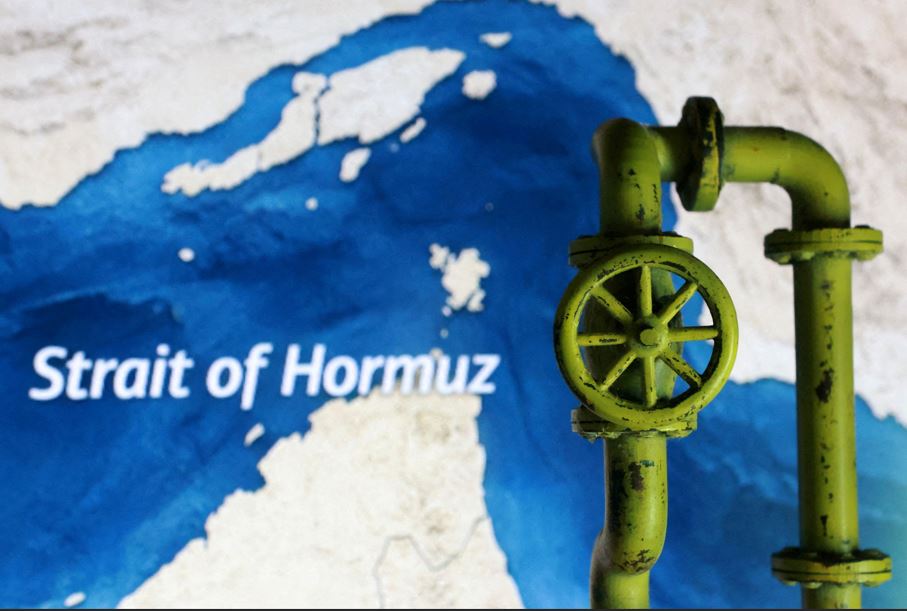
Picture this: the Strait of Hormuz, a vital artery for oil flows, has been significantly impacted by the ongoing war. This situation has given rise to the largest supply crisis the world has ever seen. Key players, like Saudi Arabia, have struggled to meet their commitments fully, unable to put enough oil into the market since late February.
On Sunday, the crisis took a deeper turn, marking a significant moment in OPEC’s near 60-year history. Seven core members of this oil consortium—collaborating closely with Russia and others—announced an increase in their output quotas by nearly 600,000 barrels per day for the months of April through June. Yet, reality tells another story. OPEC’s own figures display a troubling drop in actual production, plummeting from an average of 42.77 million barrels per day in February to just 33.19 million in April.
In this context, the seven member countries decided to raise their production targets by 188,000 barrels per day starting in July. This adjustment mirrors June’s increase, which had already been scaled back. It’s all part of a delicate dance—a complicated effort to balance supply and demand amid ongoing uncertainties.
“An OPEC+ production increase means very little while the Strait of Hormuz remains closed,” reflected Jorge Leon, an analyst at Rystad and a former OPEC official. How true those words ring. The moment the Strait reopens, we could see the oil market shift dramatically, flipping from fears of scarcity to trepidations of surplus.
Just last Friday, oil prices fell to around $93 per barrel, a reassuring sign for traders who sensed a trend: the fear of renewed conflict between the U.S. and Iran might be easing. Just before the war’s onset, prices hovered around $72.
The seven nations—Saudi Arabia, Iraq, Kuwait, Algeria, Kazakhstan, Russia, and Oman—are cautiously increasing production, unwinding a prior cut of 1.65 million barrels per day made earlier this year. As of July, these nations still have around 567,000 barrels per day left from that original cut. If they continue at this pace, we might see a full return to previous production levels by the end of September.
And it’s not just about these seven countries; other OPEC+ nations were holding additional meetings on Sunday, discussing their collective strategies. However, insiders indicated that no major shifts in output policy were expected.
In a landscape defined by uncertainty and challenge, one thing remains clear: the oil market is ever-evolving, influenced by geopolitical maneuverings and unforeseen crises. As OPEC+ navigates this storm, the world watches closely, mindful of the delicate balance between supply, demand, and geopolitical stability. Each decision reverberates far beyond the conference table—impacting economies and everyday lives around the globe.