
Title: Understanding Student Discipline in the Wake of Controversy
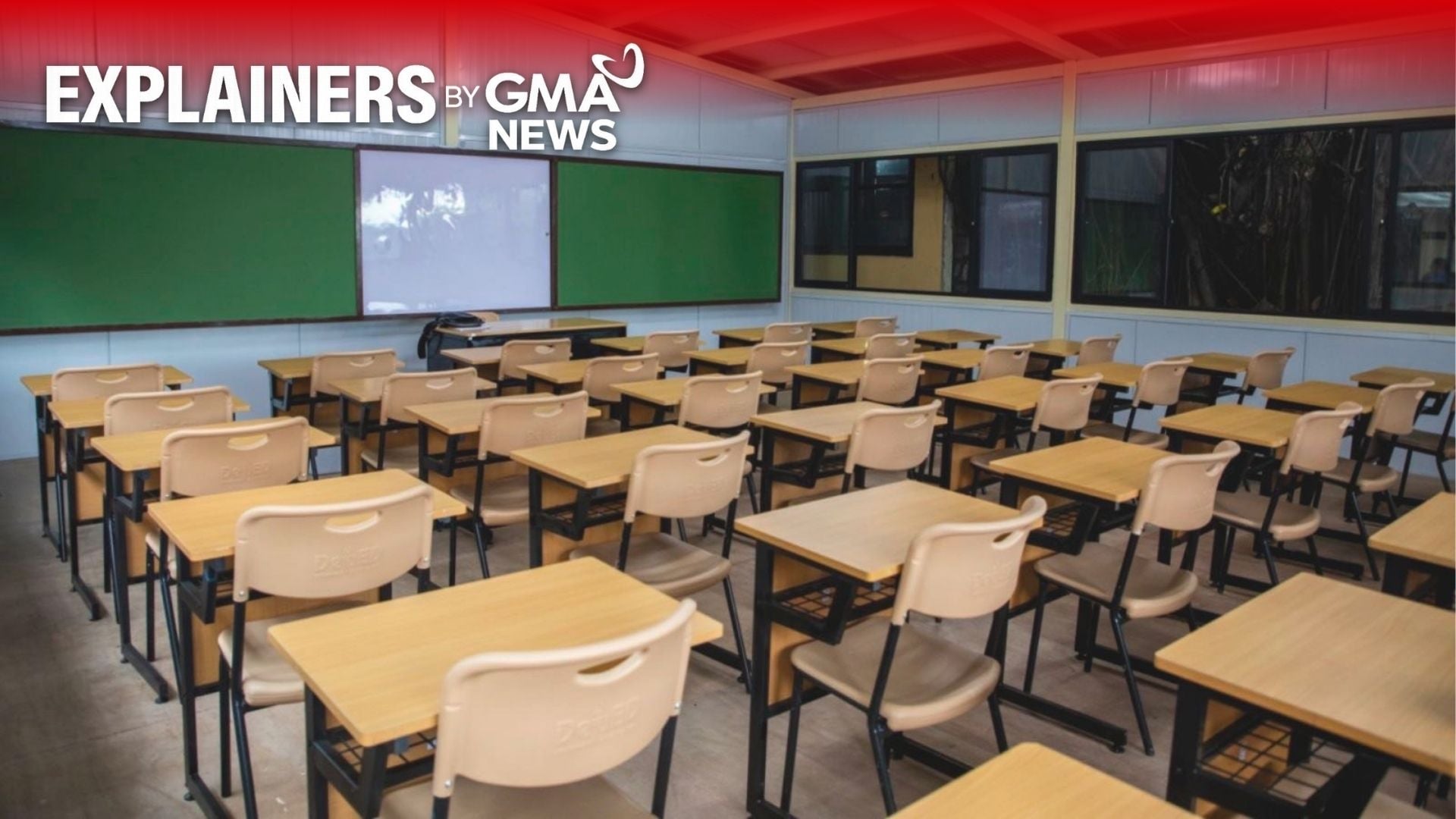
In the heart of Davao City, a group of students from Kalinan National High School found themselves at the center of a heated debate. A viral video captured their impassioned heckling of President Ferdinand “Bongbong” Marcos Jr. during his visit on July 28th. Their vocal discontent raised a pivotal question: Can schools discipline students for such actions?
The short answer is yes. However, it isn’t as straightforward as it seems. The discipline must follow due process and align with the guidelines set by the Department of Education (DepEd).
As the story unfolded, the Schools Division of Davao City issued an apology for the students’ behavior, clarifying that their actions didn’t reflect the values schools strive to instill—values like respect, discipline, and responsibility. In a report by Sandra Aguinaldo on “24 Oras,” it was revealed that the school has already summoned the identified students along with their parents or guardians. This step is crucial to ensure a fair approach and to implement any needed interventions.
So, what exactly do the DepEd rules say? According to DepEd Order No. 006 from 2026, using profane or offensive language either in school or on digital platforms is deemed a disciplinary offense. The policy outlines various consequences depending on the number of offenses—starting with a simple written reprimand and a discussion with parents for the first two infractions. However, if the behavior persists, more serious measures, such as suspension for up to five days, may come into play.
But here’s an important twist: the focus isn’t just on punishment. The order emphasizes the need for appropriate interventions to help students reflect on and correct their behavior.
In the case of the Davao students, the interventions will concentrate on three core areas:
– Responsible Behavior
– Proper Use of Digital Devices and the Internet
– Respect for Others
This approach is part of the broader guidance and counseling strategy laid out by the DepEd, aiming to support students rather than merely penalizing them.
Amid all the heated discussions, the Schools Division made it clear that any disciplinary action will only come after a thorough investigation. They stressed the importance of establishing the facts before proceeding with any sanctions.
As of now, while the Schools Division has expressed regret over the incident, specific disciplinary measures have yet to be announced.
In conclusion, the situation at Kalinan National High School serves as a powerful reminder of the intersection between student expression and school discipline. It’s a complex issue, one that requires a balance between enforcing rules and understanding the voices of the youth. And as discussions continue, we must remember that behind every incident lies the potential for growth, understanding, and change.