
Title: A Hopeful Tide: Shipping Through the Strait of Hormuz
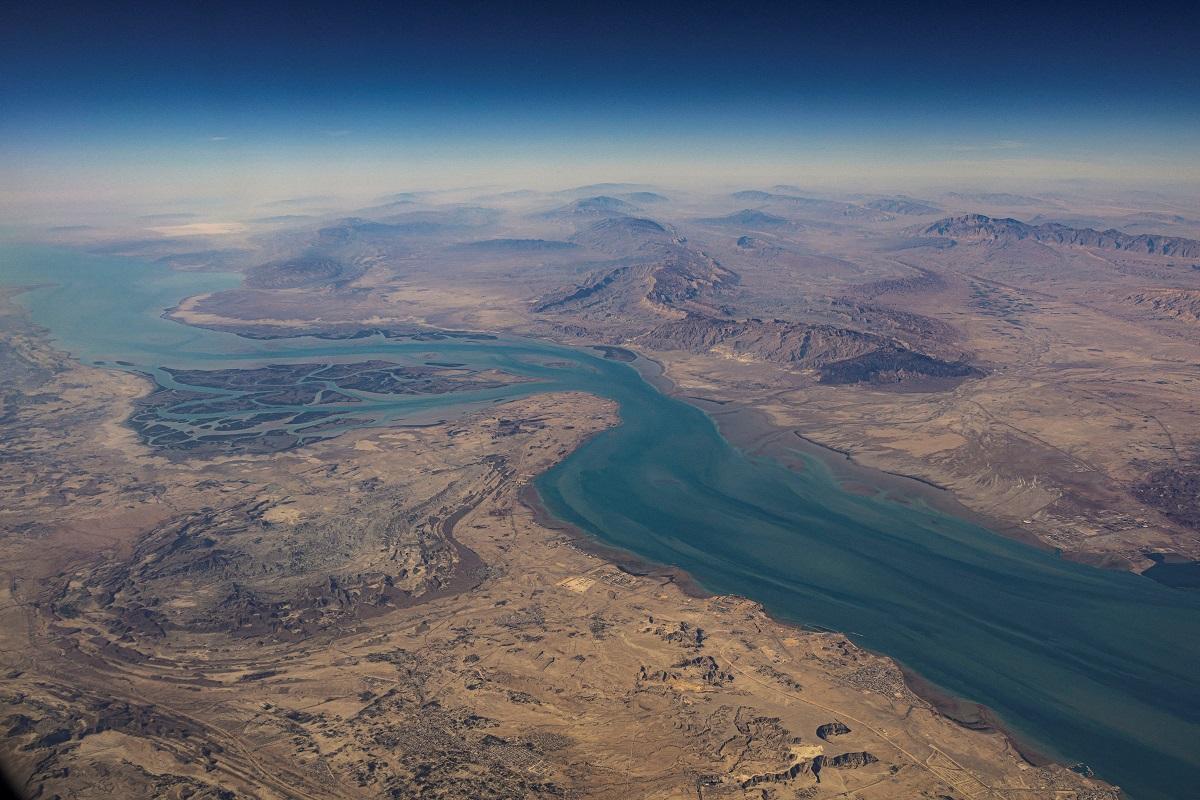
In a dramatic turn of events, three Saudi-flagged supertankers, brimming with a staggering six million barrels of crude oil, have made their way through the Strait of Hormuz. Just hours after US President Donald Trump announced an agreement to end hostilities, these colossal vessels set sail, showcasing the resilience of global oil trade amidst turmoil.
For weeks, ships had kept their journeys secret, flicking off their transponders in a bid to navigate the escalating conflict. But the winds of change seem to be blowing through the Gulf. Recent data reveals that these departures are the most significant in weeks, signaling a cautious return to normalcy for OPEC’s largest producer.
Saudi Arabia, primarily reliant on its Red Sea port terminal of Yanbu during the crisis, had faced a near-closure of the Strait of Hormuz. This situation stifled the flow of millions of barrels, creating ripples of concern not just within its borders, but across the entire region.
In an encouraging sign, three additional crude tankers were observed loading oil around Fujairah, a UAE port previously targeted in attacks. Two of these tankers are already making their way to Europe, reflecting an upturn in maritime activity as tensions begin to ease—albeit cautiously.
Meanwhile, the world watched as the dust from the conflict began to settle. The US and Iran, in a joint announcement, revealed an interim agreement signed by their presidents. But, true to form, Trump lingered on the edge of war, threatening renewed attacks if commitments weren’t kept. Uncertainty weighs heavily in the air as global shipping holds its breath.
Among the vessels on the move was the Hong Kong-flagged Aframax tanker, Tong Lin Wan, which had remained tucked away in the Gulf since early March. It finally broke free, entering the strait with naphtha from Abu Dhabi. Similarly, the liquefied natural gas tanker Mraikh crossed the strait, carrying cargo to Pakistan from Qatar—a move that breathed life back into the region’s shipping lanes.
However, amidst these glimmers of hope, the industry remains cautious. Shipping and insurance officials are seeking clarity and assurance on navigation safety, particularly amid lingering fears of mines that pose a threat to vessels in the region. Tim Wilkins from INTERTANKO expressed a natural optimism, acknowledging that some ships would inevitably start moving again. Yet, he conveyed a sense of realism, emphasizing that “the road to recovery in the Gulf will be a long and complicated one.”
Sheila Cameron, CEO of the Lloyd’s Market Association, echoed these sentiments, urging for clarity on sanctions and safety protocols as the industry begins to pick up the pieces. “Months may pass before we see any semblance of normality in international shipping,” she warned, her perspective steeped in the reality of disrupted supply chains and vessels left stranded.
As the sun sets over the Gulf, a fragile hope emerges. Perhaps, just perhaps, the tides are turning in favor of peace, allowing the weary shipping industry to find its footing once again. Watching these monumental ships traverse the Strait of Hormuz serves as a powerful reminder: even in the face of uncertainty, the spirit of commerce and resilience never truly fades.