Urgent Action Needed: The Ebola Outbreak in the Democratic Republic of the Congo
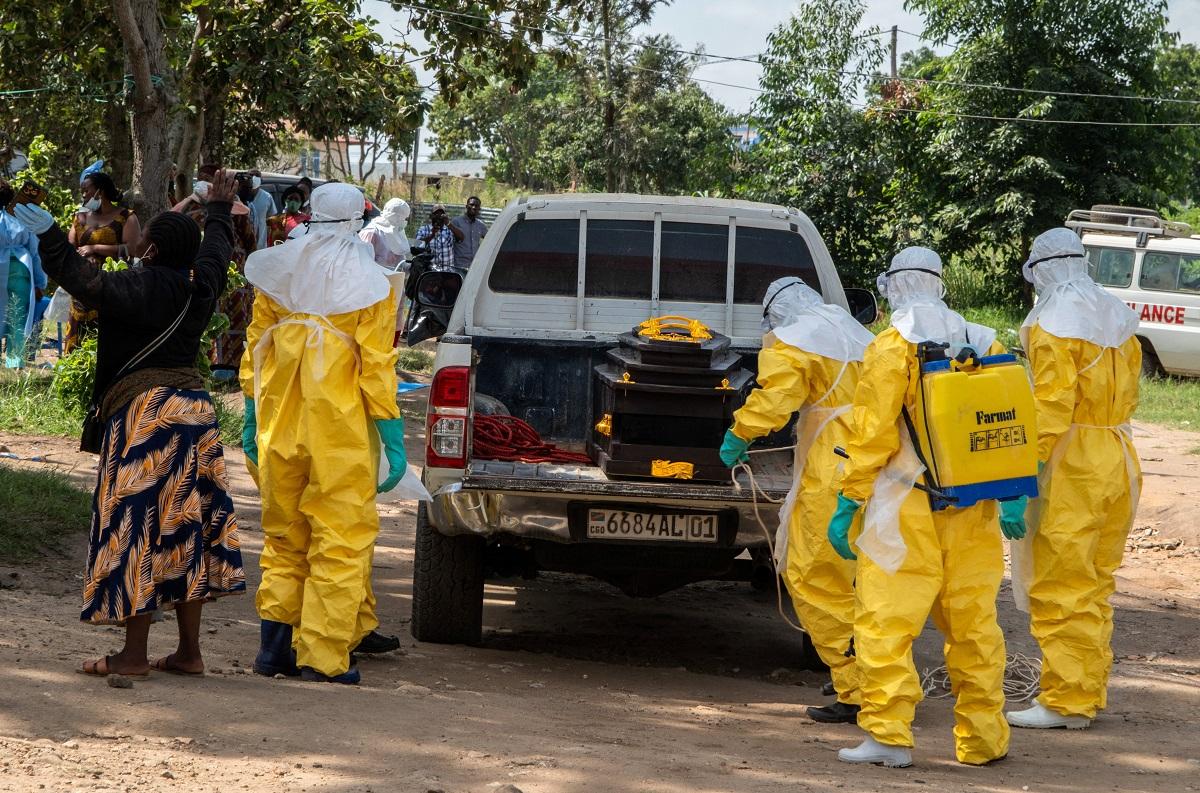
KINSHASA/BUNIA — The world watches anxiously as the head of the World Health Organization, Dr. Tedros Adhanom Ghebreyesus, makes his way to the Democratic Republic of the Congo. He arrives at a critical moment—an Ebola outbreak, now the third largest on record, is raging and outpacing efforts to control it.
This outbreak is caused by the Bundibugyo strain, a rare type of the virus for which no vaccine or specific treatment exists. Health authorities in Congo and its neighboring countries are scrambling to manage the situation, but they are weeks, if not months, behind in their response. As a result, the WHO has declared a public health emergency of international concern.
A Call to Action
Dr. Tedros expressed confidence, stating, “Sixteen times, this country has defeated Ebola. The 17th will be no different. But we must act now, together.” The urgency in his voice is palpable. The stakes could not be higher.
He is set to arrive in Kinshasa today before heading to Ituri province, where the first cases were identified. This area has faced numerous challenges, including shortages of medical supplies. But it’s not just the virus that poses a threat—there have been attacks on healthcare facilities fueled by denial surrounding the disease.
The Numbers Tell a Grim Story
According to the latest WHO figures, there have been 1,077 suspected cases so far, with 121 confirmed. Tragically, 246 suspected deaths and 17 confirmed fatalities have been reported. Health experts fear that the true numbers could be much higher, highlighting the urgent need for comprehensive testing and accurate reporting.
To combat this outbreak, the WHO is partnering with Congo’s national medical research organization to ramp up testing efforts. Meanwhile, MONUSCO, the UN peacekeeping mission in the region, did manage to send nearly five tons of medical supplies to Ituri, but challenges persist. Continued flight restrictions into Bunia, the capital of Ituri, are hampering critical operations.
One humanitarian worker lamented that despite promises of exemptions for aid workers, the processing of these requests by the Congolese Ministry of Transport has stalled. The government has yet to respond to queries about these ongoing flight restrictions.
Global Response and Containment Measures
In a bid to contain the situation, nations worldwide are implementing travel-related measures. The United States has temporarily barred entry to green card holders who have been in Congo, Uganda, or South Sudan within the past 21 days. The U.S. government remains resolute in its stance: “We cannot and will not allow” Ebola to reach our shores. There are discussions about Kenya potentially hosting quarantine facilities for exposed American citizens, although it is unclear if they will agree.
A Complicated Environment
It’s important to remember that Eastern Congo is not just battling the Ebola virus. The area is rife with armed groups, complicating the response further. In North and South Kivu provinces, territories remain partially controlled by Rwanda-backed M23 rebels. Dr. Tedros has called for a ceasefire, emphasizing that ongoing violence is driving people into overcrowded camps, which increases the risk of spreading the virus.
Final Thoughts
As we reflect on the sobering realities of this outbreak, it is clear that immediate action is needed—not just from health organizations, but from all corners of the world. Every second counts. Together, we can rise to this challenge and help protect the lives of those affected. In the words of Dr. Tedros, “We must act now, together.”
In the fight against Ebola, the world must unite to ensure that the 17th time will be different. The people of the Democratic Republic of the Congo are counting on us.