

Tension at the Senate: A Night of Chaos and Contradiction
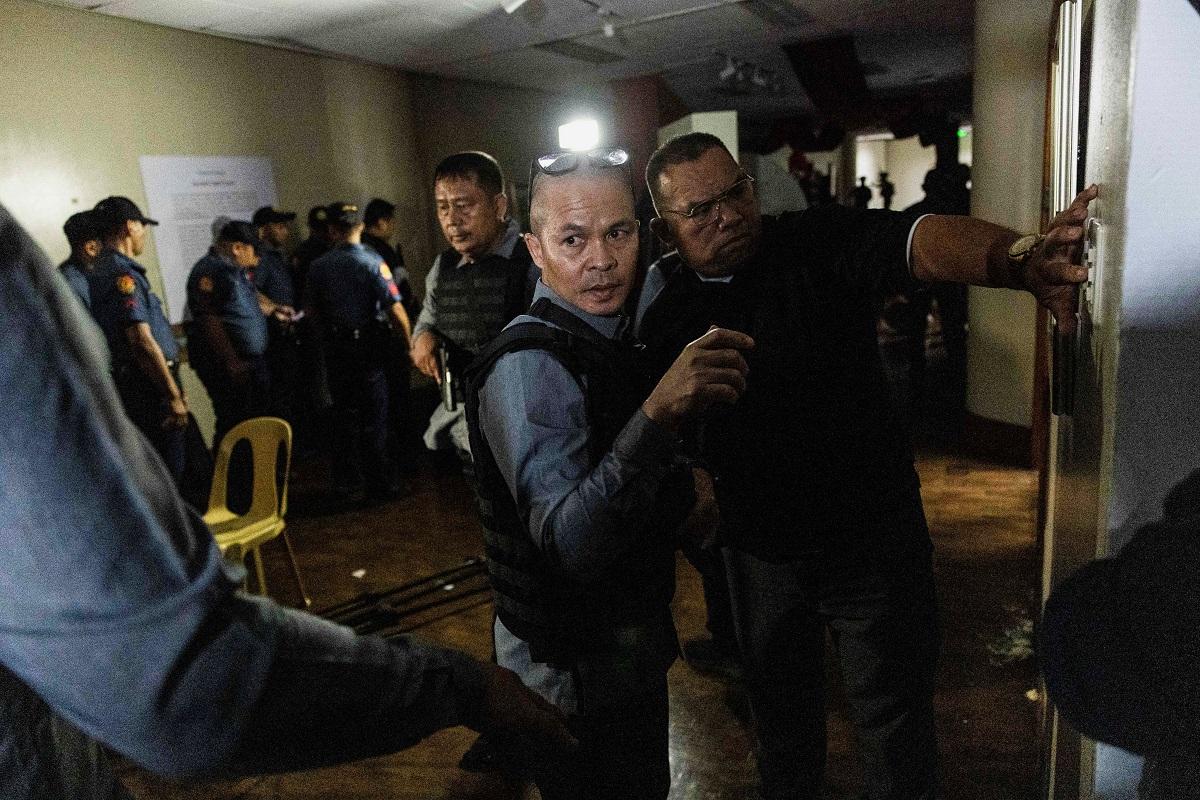
On a tense Wednesday evening, the upper chamber of the Senate found itself under lockdown, gripped by apprehension and uncertainty. The atmosphere was heavy with unease as events unfolded, leading to a shocking series of gunfire.
On Thursday, Malacañang informed the public that the Senate Sergeant-at-Arms, a retired Police Major General, fired the first warning shot. This led to an alarming sequence of events where personnel from the Office of the Sergeant-at-Arms (OSAA) unleashed a total of 27 shots, and a National Bureau of Investigation (NBI) agent followed suit with five shots of their own. The echoes of gunfire rattled through the halls, leaving everyone on edge.
But wait—was this necessary? Before the gunshots rang out, OSAA personnel issued a verbal warning. This initiated a fierce debate about the circumstances surrounding the use of warning shots. When are they justified, and who decides?
Understanding Warning Shots in the Philippines
To shed light on this complex matter, GMA News Online reached out to the Philippine National Police (PNP). Their spokesperson, Police Brigadier General Randulf Tuaño, shared some crucial insights. According to Tuaño, the guidelines for warning shots are indeed covered in the Revised PNP Operational Procedures.
“The procedures contain specific rules about the use of force, how firearms should be discharged, and the operational protocols for police interventions,” he explained. These protocols also detail when it’s appropriate to give a verbal warning before resorting to more severe measures.
So, when can warning shots be fired? The PNP manual makes it clear that police officers are generally prohibited from using warning shots during operations unless under very specific conditions. For instance, if an offender poses an imminent threat of death or injury to the police or bystanders, firing a weapon may be justified.
The manual goes on to recognize self-defense, as well as the defense of loved ones and strangers. However, it states emphatically, “The police shall not use warning shots during police operations, except when an officer is outnumbered and their life is in imminent peril.”
A Robust Framework for Use of Force
The PNP practices a “force continuum” approach. This means that police officers must start with non-lethal methods like their mere presence or verbal commands before escalating to physical restraint or, if really necessary, less lethal weapons. Lethal force is always a last resort.
As per the PNP guidelines, officers can only use lethal force when all other options have been exhausted and a clear, life-threatening situation posed by an armed suspect remains. It emphasizes that officers must apply “necessary and reasonable force” in executing their duties.
Moreover, every time an officer fires their weapon during a confrontation, they’re obliged to submit an incident report. This report must detail the circumstances that led to the discharge of the weapon. Following an armed encounter, the protocol mandates securing the scene, aiding the injured, conducting a debriefing, and preparing after-operation reports.
Conclusion
The events at the Senate shine a light on the challenging balance between maintaining order and ensuring public safety. As tension lingers, one thing is clear: the guidelines for using force—and the reasons for it—are complex and deeply rooted in principles of justice and protection. The hope is that such protocols not only serve to protect police officers but also safeguard the very citizens they vow to protect.