


The Bitter Truth: Challenges Facing Philippine Sugar Production
In a sobering update, the United States Department of Agriculture (USDA) has adjusted its forecast for raw sugar production in the Philippines for the marketing year 2026 to 2027, bringing it down to 1.7 million metric tons. This represents an 8% drop from the previous estimate of 1.85 million metric tons for 2025 to 2026. But what’s behind this decline?
The USDA’s Foreign Agricultural Service (FAS) in Manila has highlighted several pressing factors. One major concern is the looming threat of El Niño, a climate pattern known to bring unpredictable weather. With this natural phenomenon on the horizon, the situation looks increasingly dire for sugarcane farmers.
Adding to the troubles, red-striped soft scale insects have been wreaking havoc across various sugarcane-producing areas in the Philippines. As of August 2026, this pest had infected a staggering 33%—that’s over 139,000 hectares—of the nation’s sugarcane fields, according to data from the Sugar Regulatory Administration (SRA). This is most critical in the Visayas region, particularly the islands of Negros and Panay.
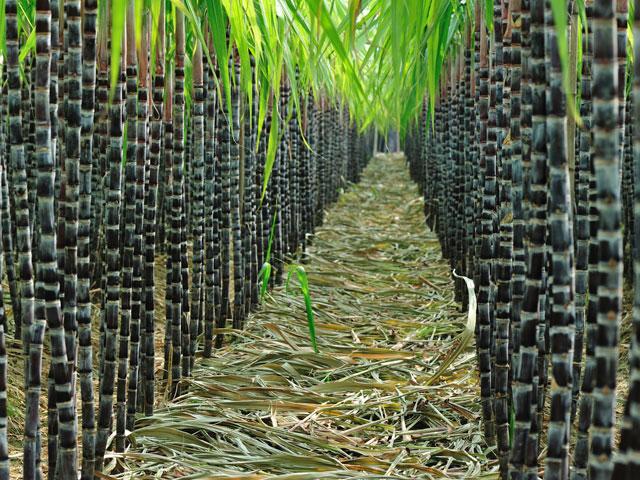
The USDA reported that the pest thrives in warmer, drier conditions—a reality compounded by the harsher El Niño effects. Industry experts have confirmed that the combination of the RSSI (red-striped soft scale insect) infestation and El Niño has led to some troubling changes: shorter cane internodes, stunted growth, reduced stalk girth, and dry cane cores. All these factors are resulting in significantly lower quantities of sugarcane being harvested and delivered to mills.
Drought conditions have also played a role in this unfolding crisis. Rainfall only arrived in July—nine months after farmers sowed their crops—leading to inadequate water supply during crucial growth stages. Sugarcane typically needs a considerable amount of water from the moment it germinates through its early growth phases. When irrigation isn’t an option and rainfall is scarce, the consequences are plain to see: shorter stalks and reduced yields.
On top of climate challenges, soaring input costs are further squeezing sugar producers. The prices of fertilizers and diesel fuel needed for irrigation are rising sharply, threatening to lower production yields even more. Some millers are stepping up, offering financial assistance to farmers to help with fertilization costs on part of their farms, but the help may not be enough to offset the losses.
The pressure doesn’t stop there. As farmers combat the RSSI infestation, they are forced to spend more on insecticides, often requiring multiple applications of different chemicals just to prevent pests from becoming resistant. It’s a costly uphill battle that leaves little room for error.
In the midst of these trials, the Philippine Department of Agriculture is also considering imposing stricter regulations on artificial sweeteners. This response comes amidst calls from the sugar industry seeking protection for locally produced sugar. In recent years, artificial sweeteners have claimed an 18.4% market share, with demand for refined sugar declining by nearly 14%.
As these challenges unfold, the voices of farmers echo with concern. It’s a complex situation that highlights both the fragility and resilience of the sugar industry in the Philippines. The journey ahead is uncertain, but one thing remains clear: the impact of these climatic and economic challenges is deeply felt in the hearts and homes of those who rely on sugarcane for their livelihoods.
This is not just a story about numbers; it’s a tale of dedication—a community striving to weather the storm. As the sugar industry grapples with these issues, each farmer’s struggle is a reminder of the delicate balance between nature and agriculture. Let’s hope for better days ahead.