


Cyberattack Rocks French Supermarkets: A Heightened Threat to Food Security
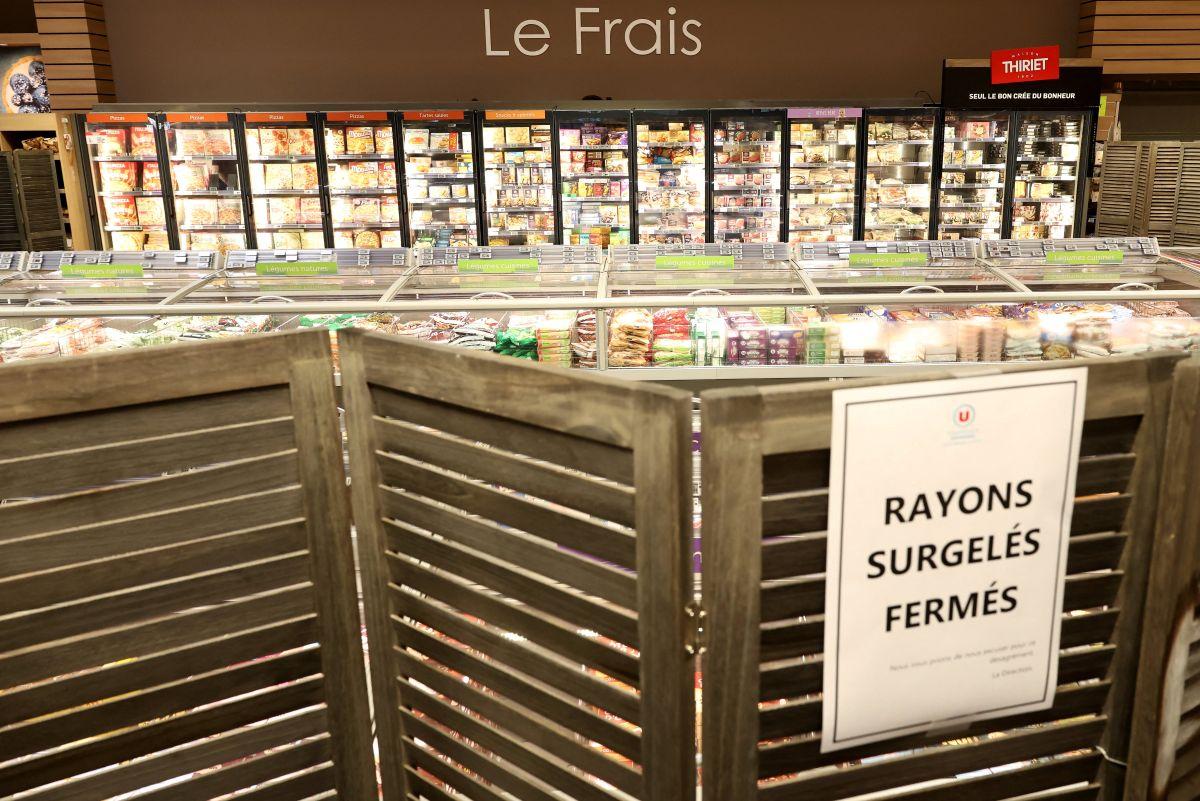
PARIS, France – In a shocking turn of events, major French supermarket chains faced a severe cyberattack on Monday, triggering temperatures to rise dangerously in refrigerators across hundreds of stores. This nightmare forced them to discard thousands of pounds of spoiled food, leaving consumers deeply concerned about food security.
The attack targeted top retailers including E. Leclerc, Intermarché, and Cooperative U. Cooperative U’s chief executive shared that this was an “unprecedented” incident in the world of retail cyber threats. “Food security requires more attention at all levels,” emphasized European Union’s food and agriculture commissioner Christophe Hansen. His statement, shared on X, condemned the attack and acknowledged that this kind of “exploitation of food” is becoming an alarming reality.
At least 300 stores belonging to Intermarché and its Netto brand were compromised, alongside over 100 Cooperative U outlets and several locations of E. Leclerc. The distressing reports indicated that hackers managed to *remotely trigger* the defrosting of refrigeration systems, leading to significant food loss. One affected retailer declared that they would have to “throw away all of the products” — fresh and frozen alike.
Paris prosecutors confirmed the attack, which also appeared to have affected other major chains. BFM TV reported that the cyberattack had even caused some store fires. So far, companies like Carrefour Market and Monoprix are rumored to have been impacted too, though they have yet to confirm their involvement.
E. Leclerc stepped forward with a statement acknowledging that the cyberattack affected one of its refrigeration equipment suppliers. They identified the culprit as systems linked to Danish manufacturer Danfoss. This particular equipment suffered from outdated software and security vulnerabilities, putting many stores at risk. Danfoss confirmed that their AK-SM800 and AK-SC355 systems were among those affected and that they had been advising supermarkets to upgrade from outdated models.
In the wake of the attack, France’s cybersecurity agency moved quickly to identify the vulnerabilities tied to the Danish firm. A source close to French Prime Minister Sébastien Lecornu revealed that they are also working with other European nations to pinpoint any additional companies that may face similar threats.
Dominique Schelcher, CEO of Cooperative U, described the attack as “extremely serious” and “unacceptable.” He stressed that targeting essential equipment like refrigeration systems directly endangers the food supply of the French people. His team is mobilized to restore operations as swiftly as possible, and an investigation is already underway to clarify the full scope of the attack.
The fallout includes not just food waste but financial losses as well, although specific figures have yet to be disclosed. Intermarché condemned the destruction caused, and fears are rising about hybrid attacks, a growing concern in Europe.
Amidst solidarity for Ukraine in the face of Russian aggression, President Emmanuel Macron had previously ordered measures to protect France’s critical infrastructure from such threats. In today’s interconnected world, even industrial equipment that long stood isolated from the internet is now vulnerable to cyber threats due to new technologies like sensors and remote monitoring systems.
Antoine Hautin, a cybersecurity expert, emphasized that this attack showcased “a certain level of sophistication” due to the ability to affect hundreds of refrigeration units simultaneously. It raises a chilling question: How safe is our food supply when cyber threats loom large?
As investigations continue, the scope of this attack will likely ripple through the industry for months to come. In a world where food safety is paramount, this incident serves as a stark reminder of the vulnerability we face in an increasingly digital age.