

Unraveling the Motive: Behind the Foiled Attack on President Trump
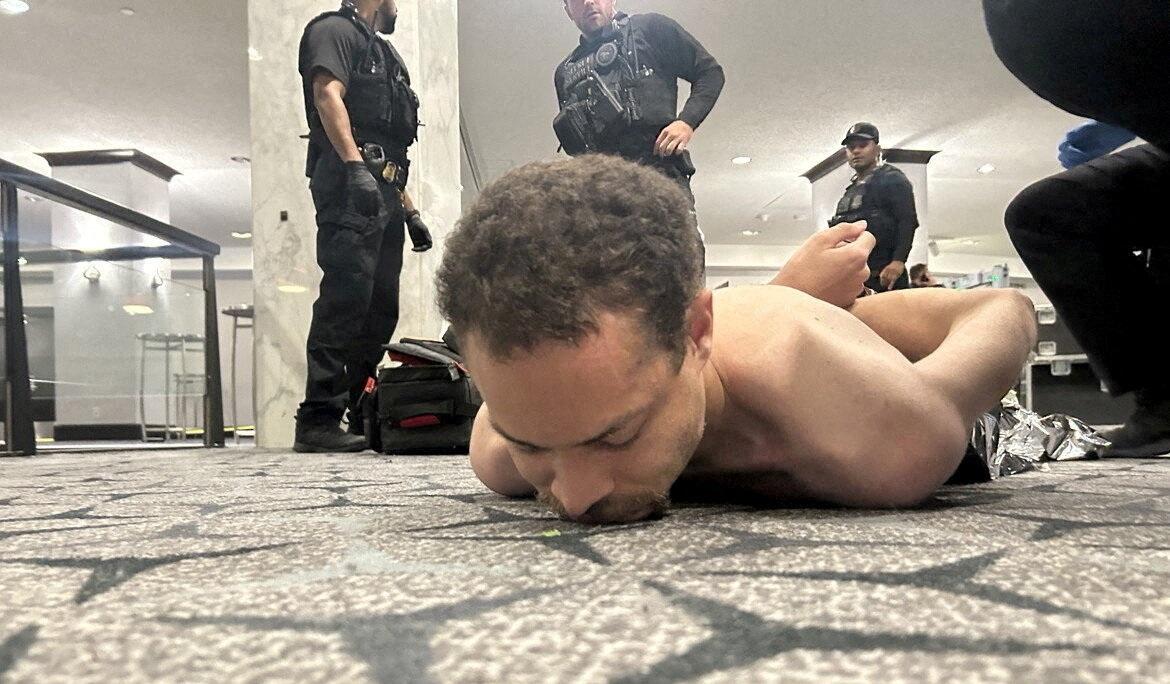
In a shocking revelation from Washington, the US Department of Homeland Security has spotlighted a disturbing motive behind an attempted assassination of former President Donald Trump and members of his administration. This all unfolded last month, during what many were looking forward to as a high-profile event: the White House Correspondents’ Dinner.
A Brave New Threat
On April 27, an intelligence report from the Department of Homeland Security (DHS) suggested that Cole Tomas Allen, the man accused of plotting the attack, harbored significant social and political grievances. Amid these grievances, the ongoing US-Israeli conflict with Iran emerged as a potential trigger for his violent intentions. Allen’s social media posts, which criticized US actions in this conflict, formed a chilling backdrop to what might have driven him to consider assassination.
The findings offer essential insights into a complex scenario that threatens the fabric of our political landscape. This isn’t just an isolated event; it’s connected to broader issues that impact countless lives and shake economies worldwide.
The Foiled Plan
The report, rather crucially labeled a “Critical Incident Note,” came to light after transparency advocates at Property of the People dug into public records. They provided this information to Reuters, shedding light on a frightening plot that could have turned deadly. The FBI and DHS have been tight-lipped regarding specific motivations, but one email sent by Allen the night of the planned attack has garnered significant attention. Described as his manifesto, it painted a portrait of a man disillusioned with his government, expressing deep-seated anger and calling out a “traitor” delivering a speech—without mentioning Trump directly.
Allen’s political disagreements became alarming when prosecutors claimed he wanted to “fight back” against policies he deemed morally objectionable. This reveals a disturbing trend, where political frustrations lead individuals down a path of violence.
Social Media Deep Dive
To understand Allen’s motivations more clearly, the FBI has been scouring his social media, examining digital footprints that provide glimpses into his psyche. They are particularly looking at posts from a Bluesky account linked to him. In the lead-up to the attack, Allen shared a string of anti-Trump messages, some even criticizing US actions in Iran, condemning immigration policies, and expressing views on Russia’s war in Ukraine. Each post painted a picture of someone increasingly consumed by anger.
One striking post directly called for Trump’s impeachment over a controversial threat made by the former president aimed at Iran, just hours before he agreed to a temporary ceasefire. The discontent ran deep; it wasn’t a single issue but rather a cocktail of frustrations that fueled his decision to take extreme measures.
A Cautionary Approach
As investigators dig deeper into Allen’s online activities, there’s an urgent need to prevent conspiracy theories from spreading about his motives. Past incidents, including a separate shooting during a Trump rally in Pennsylvania, have shown how quickly misinformation can take root in a tense political environment.
In Allen’s case, the FBI’s thorough examination aims to clarify motives and dispel wild speculations. As they sift through the evidence, one thing becomes clear: in today’s world, where politics and personal beliefs can collide violently, understanding these motivations is critical.
—
Ultimately, this tragic incident serves as a warning bell, reminding us that behind every headline, there are real human emotions, complexities, and consequences. It’s a call to reflect on the effects of socio-political tensions and strive to foster a dialogue that prioritizes understanding over violence, even amidst our deepest disagreements.