


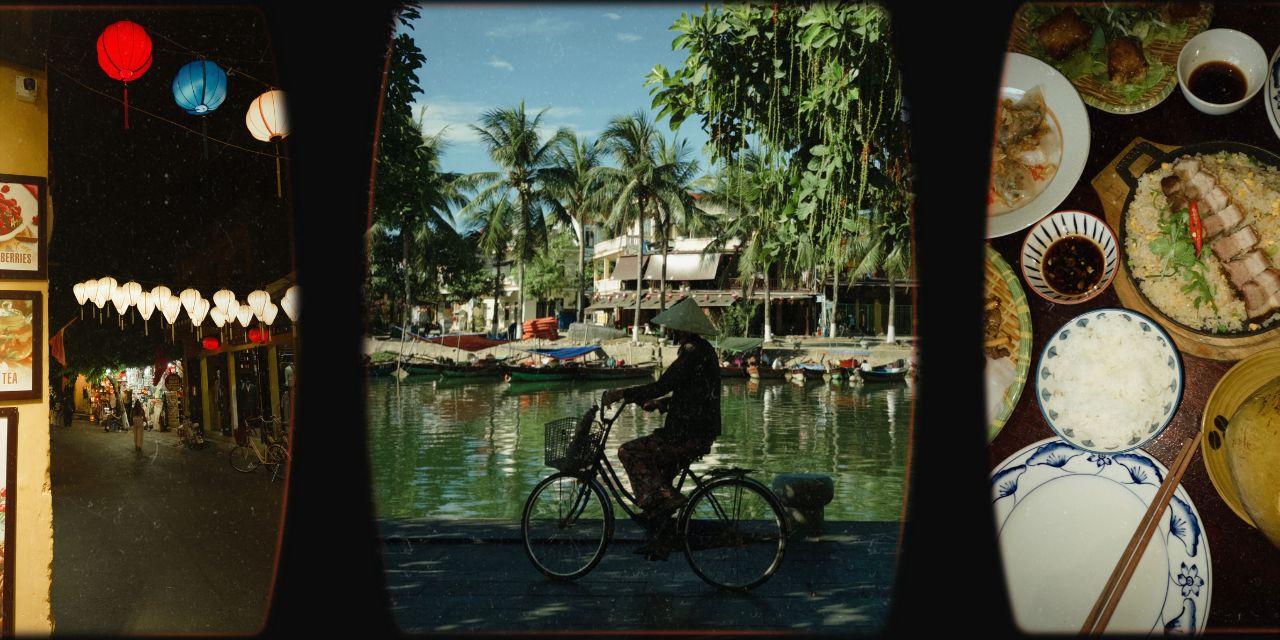
A Love Letter to Hoi An: Why I Keep Coming Back
It was my second journey to the enchanting town of Hoi An, and just like my first visit, I found myself leaving with bags brimming with coffee, a few cherished souvenirs, and a heartfelt promise to return. Some places are lovely for just a fleeting moment, but Hoi An? It pulls you back time and again.
I first set foot in Hoi An in 2024, eagerly planning to revisit the following year for my birthday. But, as life tends to do, it whisked me away on unanticipated paths. This June, however, I finally returned, and oh, how much had changed yet felt so familiar!
The lanterns still glowed warmly over the river every evening, casting reflections that danced across the water. The old town remained a bustling blend of travelers, cameras in hand, joyfully shopping for treasures. Tourists, speaking a spectrum of languages, spilled into the sun-kissed streets lined with charming yellow walls.
Before my return, I stumbled upon videos voicing the popular opinion that Hoi An is “overrated.” I understood those sentiments; the city can indeed become quite busy, especially as night falls and visitors flock to the river for lantern boat rides. Popular cafes boast long lines, and the most photographed spots often seem as crowded as a bustling market. And let’s not forget the sweltering summer heat! It’s no wonder some choose to visit only for a fleeting day trip. But trust me, spending just a few hours here? You miss the magic.
The version of Hoi An that lingered in my heart was far from the perfectly curated Instagram images. No, it was the Hoi An I discovered at dawn.
One morning, I woke before sunrise and borrowed a bicycle from our hotel. The streetlights flickered as the remnants of the previous night’s lanterns swayed gently overhead, but the crowds were a distant memory. I watched a woman sweeping her sidewalk as a cafe owner arranged chairs in anticipation of the day’s first customers. Nearby, vendors were setting up their stalls, breathing life into the stillness of the awakening city.
In that moment, Hoi An transformed from a mere tourist attraction into a vibrant home—a city that belonged to its people.
As I pedaled through the quiet streets, I paused for a cup of coffee. It cost me around 45,000 Vietnamese dong (roughly a hundo pesos) and was, without a doubt, one of the best cups I savored all week.
And thus began a simple yet delightful routine: morning coffee, afternoon strolls, and lantern-lit evenings. Somewhere in between, I devoured more banh xeo than I could count—crispy Vietnamese pancakes that locals traditionally enjoy during the rainy season, though I didn’t let that stop me from indulging.
By the end of my trip, my bags overflowed with coffee, a handmade leather handbag, keychains, and an assortment of delightful souvenirs that made packing a true challenge. Yet, what captivated me most wasn’t merely what I had bought, but rather how Hoi An had woven its culture into a rich tapestry of experience.
There’s a reason Hoi An’s Ancient Town earned the honorable title of a UNESCO World Heritage Site in 1999. As one of Southeast Asia’s best-preserved trading ports, its architecture reflects a melting pot of cultures. But it wasn’t just the recognition that left a mark on me; it was how the locals embraced that identity.
The lanterns, silk shops, tailors, leather artisans, cozy cafes, and enchanting boat rides are not merely attractions—they are threads in the fabric of Hoi An’s identity. Tourism here blooms not in isolation but intertwined with the vibrant local culture, and that connection is a beautiful thing.
As I wandered, I couldn’t help but reflect on the Philippines. We too have historic towns, serene rivers, talented artisans, and communities rich with stories. Yet, sometimes it feels like we’re still stumbling to share those narratives.
Hoi An reminded me that tourism doesn’t necessarily mean building something entirely new. It’s about cherishing what’s already there and inviting the world to care. I think that’s why I yearn to return—not just for the lanterns, the stunning photographs, or even the coffee, although they certainly enhance the experience.
I keep coming back because Hoi An knows its essence and embraces it without hesitation.
Before I left, I bought more coffee than I could ever drink and a few souvenirs that seemed entirely unnecessary. But the most significant gift I brought home with me was a question: If a humble riverside town in Vietnam can transform its history, culture, and everyday life into something the world longs to experience, what could the Philippines become if we learned to share our stories with equal passion?
Perhaps that’s the worth that draws people back—not for perfection, not for quiet corners, and certainly not because it’s undiscovered. People come back because, beneath the throng of tourists and the flashes of cameras, lies a town that has mastered the art of remaining authentically itself.
I know because I returned, and I will undoubtedly do so again.
With all my heart, from Hoi An.