
Navigating Tensions: The AFP’s Stand on China and the West Philippine Sea
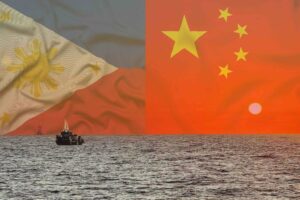
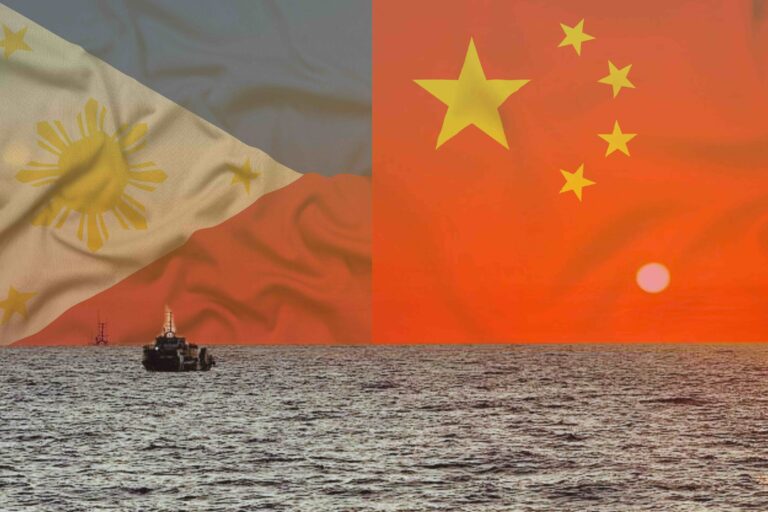
The landscape of international relations can be complex and filled with tensions, especially in regions like the West Philippine Sea (WPS). Recently, the Armed Forces of the Philippines (AFP) made a clear statement: the Philippine government is not seeking confrontation with China.
In a press briefing on Tuesday, Rear Admiral Roy Vincent Trinidad, the AFP spokesperson for the WPS, aligned with Vice President Sara Duterte’s urging for a peaceful approach to resolving tensions. “Yes, I support that statement,” he affirmed, stressing the government’s commitment to diplomatic efforts. “We should not pick fights. That’s the path our government and its agencies are taking.”
This was more than just a statement—it was a sincere reflection of the Philippines’ position. Rear Admiral Trinidad emphasized, “We are not fighting with any country in the WPS. We are merely standing up for our God-given rights, our sovereignty, and our maritime entitlements.” It’s a reminder that what’s at stake isn’t merely a line on a map, but the pride and dignity of a nation.
Vice President Duterte echoed similar sentiments during an address to Filipino workers in Hong Kong, emphasizing the complexities of international relations. “It’s not just one issue,” she explained. “There are many layers to the Philippines’ relationship with every country. We must choose diplomacy over confrontation.” Her words underscored a desire for dialogue over discord, urging for solutions that respect the country’s sovereignty while fostering better relationships.
The path won’t be easy, but Trinidad reassured that pursuing diplomacy doesn’t mean sacrificing defense. “Every Filipino has a moral obligation to stand up for our national interests,” he stated passionately. He pointed to the 2016 Arbitral Tribunal ruling, which recognized the Philippines’ maritime rights, as a cornerstone that should be championed by every citizen.
Moreover, the Department of Foreign Affairs (DFA) weighed in on the necessity of unity among government officials. They warned that conflicting comments could undermine diplomatic efforts, reminding everyone that the President is the chief architect of foreign policy. “Individual opinions must align with the broader objectives of the government,” they noted, emphasizing that personal convictions can’t override national strategy.
As the AFP and the Department of National Defense (DND) continue their mission to protect the nation’s territory, their resolve shines through. “We have a mandate to secure our integrity and safeguard the welfare of the Filipino people,” Trinidad affirmed. The military stands ready, not for war, but to uphold peace and security.
In challenging times, the Philippines seeks a balanced approach—one that respects sovereignty and champions dialogue. It’s a testament to the nation’s strength, uniting under a common goal to safeguard its identity while navigating the stormy seas of international relations. Together, they are not just defending territory; they are embodying hope for a future defined by understanding and collaboration.